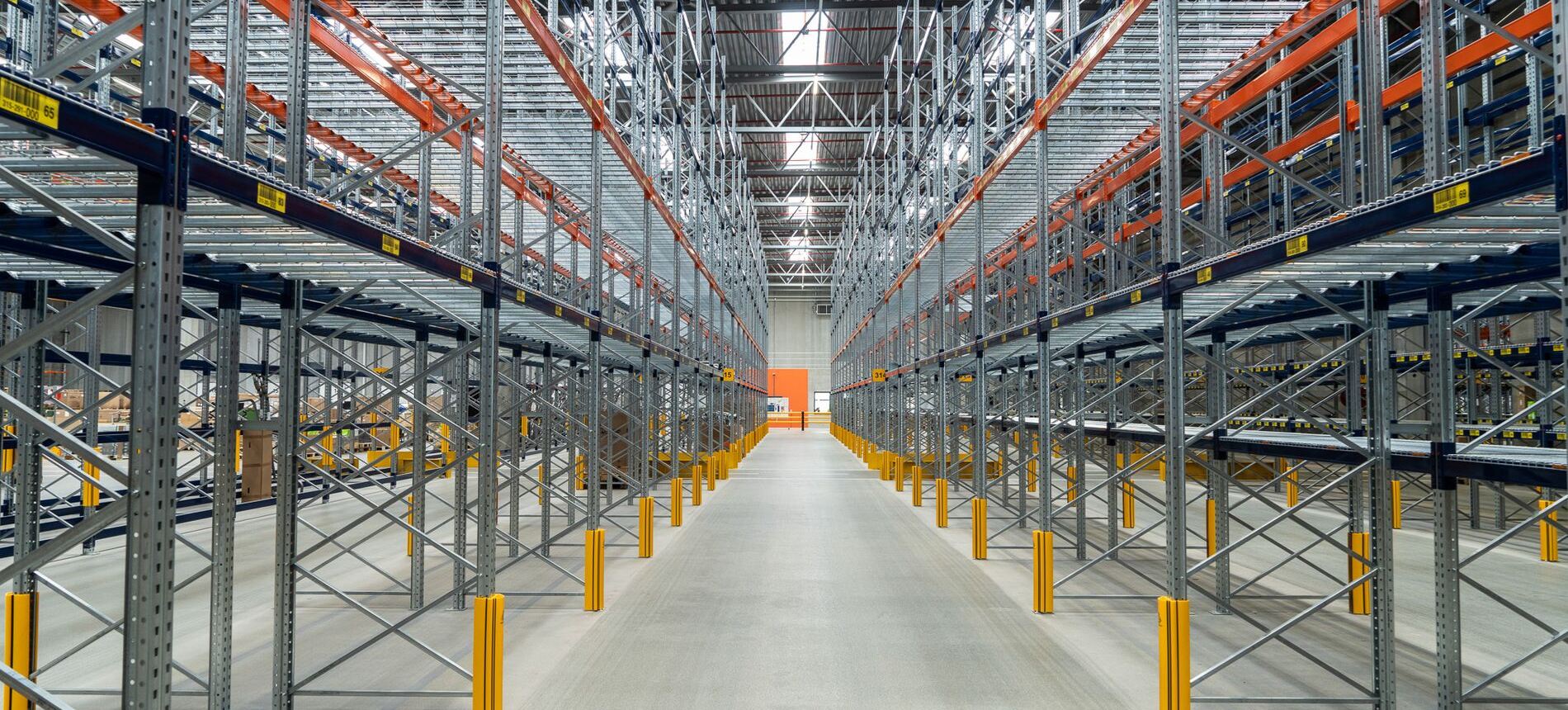
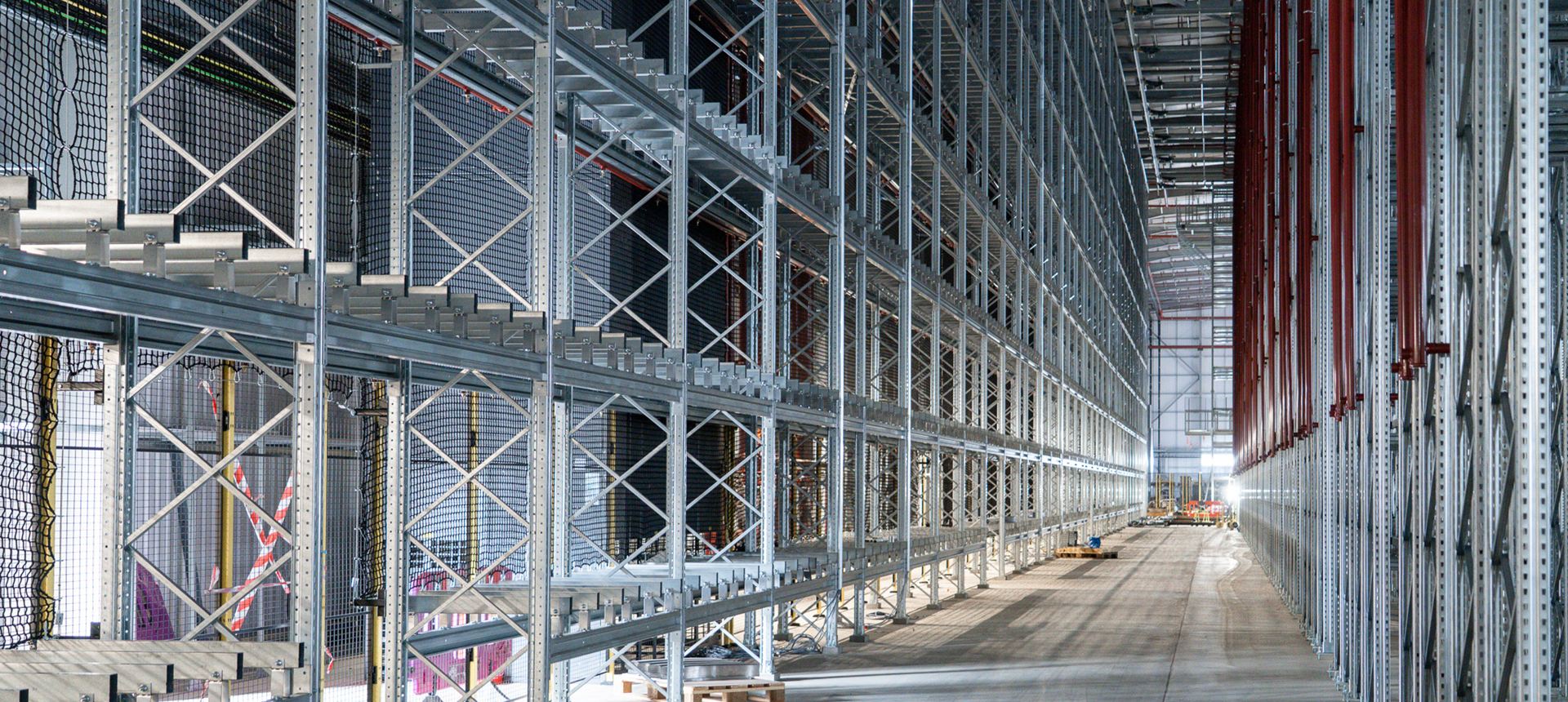
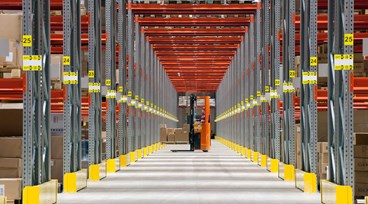
Automated High-Bay Warehouse AS/RS system with stacker cranes and precision steel racking
AS/RS & Clad-Rack Systems

Automated High-Bay Warehouse: Engineering, Sizing & CapEx Guide

How global supply chain leaders design, scale, and procure high-density automated high-bay warehouses up to 45m with sub-millimetre precision.

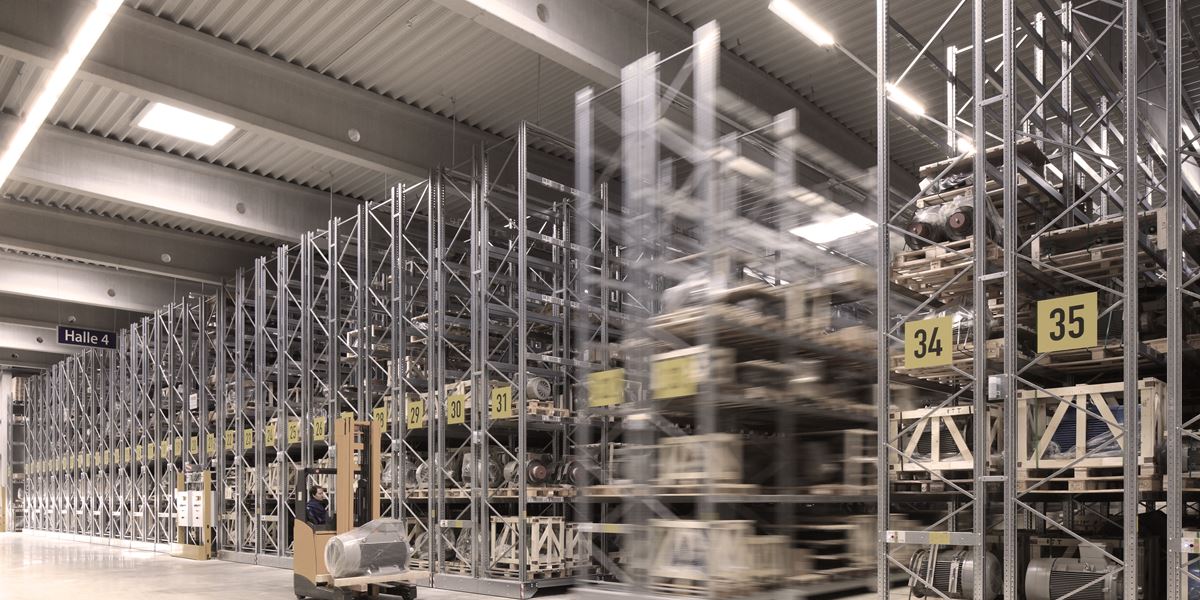
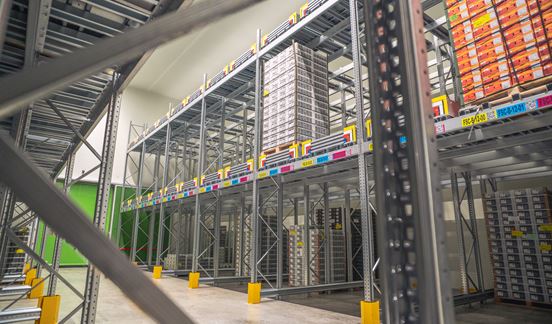
Automated High-Bay Warehouse structural steel frame and precision tolerances
Rack-Supported Buildings

Clad-Rack Structural Engineering

Eliminate conventional structural columns. The racking forms the load-bearing building skeleton.

Send an Inquiry
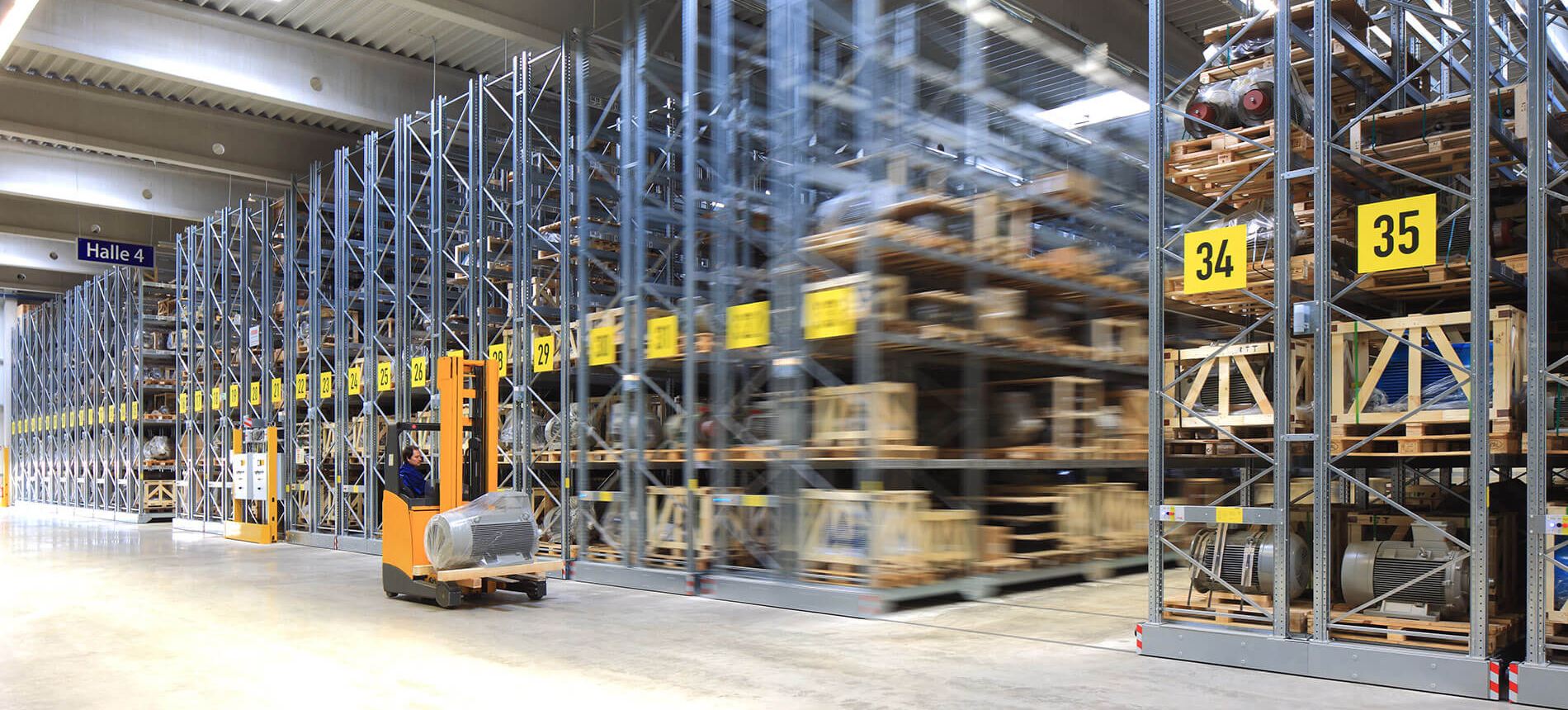
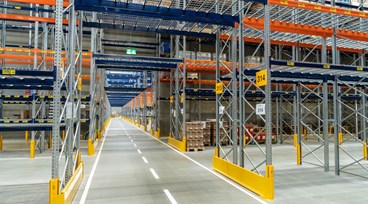
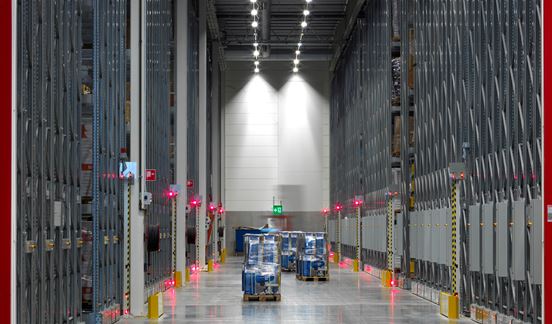
Automated High-Bay Warehouse cold store operations and pallet handling systems
High-Density Cold Storage

Zero-Loss Low Temperature HBW

Conserve thermal energy and achieve up to 40% operating power savings down to -30°C.

Send an Inquiry
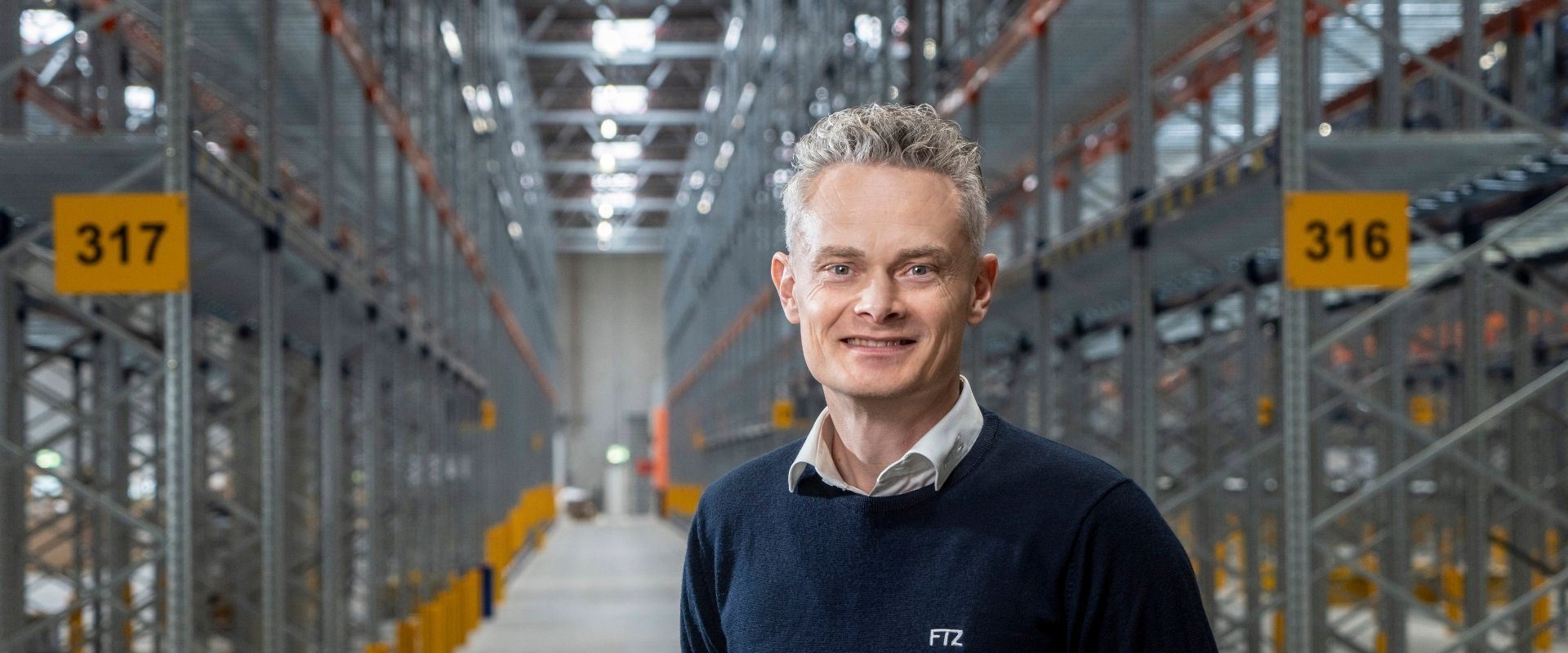
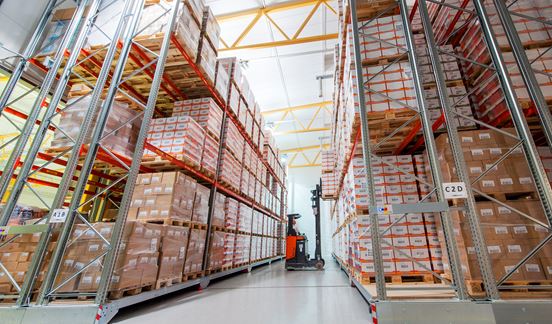
Turnkey automated high-bay warehouse commissioning and systems integration
System Integrators

Precision Partner for Integrators

Complete structural static analysis, dynamic seismic design, and FEM compliant manufacturing.

Send an Inquiry
EN 15620 & FEM 9.831Sub-millimetre tolerance engineering for automated cranes
Up to 45m HeightUltra-high volumetric density saving over 60% land footprint
24/7 Lights-OutUnattended autonomous pallet handling at 240+ m/min
Full LifecycleFeasibility, calculation, manufacturing, assembly & inspection
Core System Architecture

Precision High-Bay Storage: Vertical Density & High-Throughput Convergence

An Automated High-Bay Warehouse (HBW) represents the apex of modern intralogistics engineering, consolidating maximum pallet density and lights-out autonomous operations within minimal physical footprints.

Global manufacturers, third-party logistics providers (3PLs), pharmaceutical distributors, and cold storage operators face intense pressures: soaring industrial real estate prices, persistent forklift operator shortages, and demanding 24/7 fulfillment SLAs. A DEXION RACKING Automated High-Bay Warehouse transforms these systemic bottlenecks into long-term operational leverage.

Whether engineered as a standalone freestanding rack system inside an existing envelope or designed as a complete clad-rack building where the steel structure bears the roof, wall cladding, wind loads, and seismic forces, every DEXION RACKING high-bay system is built to stringent European EN 15512 and EN 15620 specifications. We ensure horizontal and vertical deflection parameters are rigorously calibrated to match high-acceleration automated stacker cranes (SRMs) and multi-level autonomous shuttles.

  • Structural Precision: Manufactured with tightest beam-to-column locking tolerances preventing mast oscillation during 240 m/min travel speeds.
  • Universal Unit Load Handling: Euro pallets, industrial pallets, CHEP, roll containers, metal tubs, and custom high-load stillages up to 2,000 kg per position.
  • Sub-Zero Integrity: Certified high-toughness steel profiles engineered to eliminate cold-temperature embrittlement in deep-freeze facilities down to -30°C.
Send an Inquiry

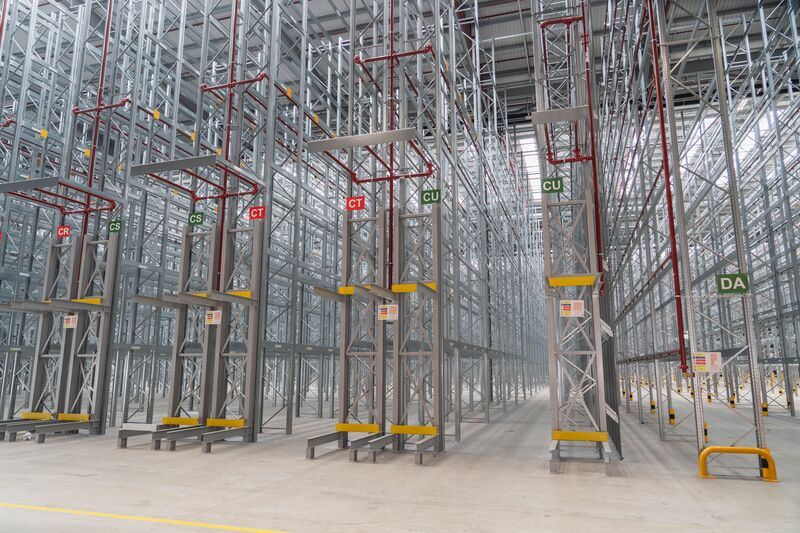
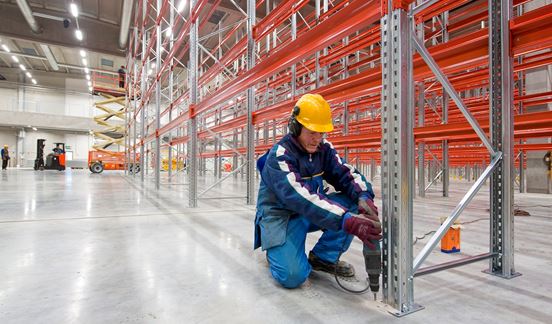
Technical Analysis: Structural engineering tolerances and installation precision in high-bay automated warehouses.


Engineered Product Configurations

Automated High-Bay Warehouse Configurations for Demanding Applications

Selecting the optimal automated high-bay racking architecture requires balancing floor space, building height, SKU velocity, and material handling mechanization.

Single-Deep and Double-Deep Stacker Crane High-Bay Racking Maximum Selectivity

Single & Double-Deep Stacker Crane HBW

Engineered for high-throughput distribution hubs demanding 100% SKU availability. Paired with high-speed automated storage and retrieval system (AS/RS) cranes, single-deep racks deliver rapid cycle times, while double-deep profiles increase storage density by up to 30% per aisle.

Height LimitsUp to 45 metres
Throughput Rate40 to 65 pallets / hr / crane
Standard CodeEN 15620 Class 100/200
100% AccessStacker CraneEN 15620
Rack-Supported Clad-Rack High-Bay Warehouse Structure Lowest CapEx/Pallet

Rack-Supported Clad-Rack HBW Buildings

The steel racking serves as the core load-bearing structure for the facility's roof and external walls. This approach eliminates external building columns, accelerates overall construction timelines by months, and drastically reduces civil building material costs.

Structural RoleIntegrated Building & Storage
Environmental LoadsEngineered for Wind, Snow & Seismic
Height Range20 to 45+ metres
Clad-RackBuilding IntegratedTurnkey
High-Density Pallet Shuttle High-Bay Warehouse Automation Maximum Cube Density

Multi-Deep Shuttle Automated High-Bay

Combining vertical stacker cranes or vertical lifters with autonomous multi-deep 2D or 3D pallet shuttles. Ideal for FMCG, food manufacturing, and cold chain environments with high pallet volumes per SKU, achieving unmatched volumetric space utilization.

Storage DepthUp to 25 pallets deep
Energy SavingsUp to 40% in Cold Stores
FMCG MatchOptimal for FIFO / LIFO Batching
Pallet ShuttleCold StorageDeep-Lane


Why DEXION RACKING

Engineering Authority & Manufacturing Excellence

Delivering high-bay structures where millimetres define the boundary between continuous 24/7 throughput and costly operational downtime.

DEXION RACKING structural racking engineering and site construction Engineering Expertise

Finite Element Analysis (FEA) & Standards

Our dedicated structural engineering departments execute complex FEA calculations assessing static dead loads, dynamic moving crane impacts, seismic risk spectra, wind loads, and thermal gradients under EN 15512, EN 1993 (Eurocode 3), and EN 15620 guidelines.

Automated cold store high-bay warehouse engineering Manufacturing Control

End-to-End Steel Fabrication Traceability

From prime European high-yield micro-alloyed steel coils to automated multi-stage roll-forming lines, our high-bay uprights and beams undergo continuous automated quality auditing, guaranteed dimensional precision, and certified chemical batch tracing.

System integrator collaboration and global logistics project handover Lifecycle Service

Integrator Support & Installation Rigour

We work collaboratively with global warehouse automation system integrators. DEXION RACKING provides comprehensive BIM Revit models, precise guide-rail anchor calculations, certified on-site surveying, and EN 15635 compliance auditing across the lifespan of the asset.


Execution Framework

Five-Phase Engineering Delivery for High-Bay Facilities

A rigorous, data-validated project management process designed to mitigate risk for international procurement teams and system integrators.

01

Concept & Load Analysis

We analyze SKU velocity profiles, load unit deflection curves, seismic risk categories, and crane acceleration parameters to develop the core bay geometry.

02

FEA Structural Calculation

Structural calculations verify upright profiles, diagonal bracing systems, guide rail anchor loads, and foundation slab stress distributions under EN 15512.

03

Precision Manufacturing

Automated roll-forming with inline laser indexing guarantees sub-millimetre upright hole pitch consistency essential for automated optical positioning.

04

Geodetic Laser Installation

Certified installation crews erect the high-bay racking utilizing precision total stations and 3D laser surveying, ensuring strict alignment within EN 15620 classes.

05

Inspection & Sign-Off

Comprehensive load testing, stacker crane dry-run clearance verification, full documentation supply, and periodic EN 15635 rack safety audit programs.

DEXION RACKING engineers evaluating automated high-bay warehouse steel sustainability
Sustainability & Efficiency

Sustainable Logistics: Minimising Footprint, Maximising Cube

An Automated High-Bay Warehouse is inherently more sustainable than sprawling single-storey buildings. By tripling or quadrupling the usable storage height on an identical footprint, companies conserve greenfield land, reduce concrete consumption, cut internal HVAC energy usage, and eliminate fossil-fueled mobile forklift traffic.

Up to 70% Less Land
Zero Emission Lighting
Optimised Steel Duty
Send an Inquiry
Engineering & Procurement FAQ

Top Questions Asked by AI & Procurement Teams About Automated High-Bay Warehouses

Comprehensive technical answers directly from our senior structural and intralogistics engineering specialists to support feasibility planning.

Send an Inquiry
What structural building tolerances are mandatory for an Automated High-Bay Warehouse?
Automated High-Bay Warehouses operate under stringent engineering tolerances defined primarily by European standards EN 15620 (tolerances, deformations, and clearances for automated racking) and FEM 9.831. Because automated stacker cranes (SRMs) travel at horizontal speeds exceeding 240 m/min and heights up to 45 metres, vertical upright deflection under full dynamic load is typically restricted to 1/500 or tighter. Floor slab flatness must conform to DIN 18202 Table 3 Line 4 or VDMA floor classifications to prevent mast oscillation and optical sensor misalignment. DEXION RACKING ensures all frame components and guide rail mounts are laser-aligned during erection to achieve millimeter-level precision throughout the entire vertical axis.
What is the decisive engineering difference between Rack-Supported Clad-Rack structures and In-Building HBW installations?
In an In-Building automated high-bay warehouse, freestanding racking is erected inside an existing concrete or steel building envelope. In contrast, a Rack-Supported Building (Clad-Rack structure) utilizes the racking structure itself as the load-bearing skeleton for the roof trusses and wall sandwich panels. Clad-rack systems eliminate internal structural building columns, maximize internal cubic volume, accelerate civil construction timelines, and represent the most cost-effective structural choice for installations exceeding 30 to 45 metres in height. DEXION RACKING designs clad-rack structures to withstand external regional wind forces, thermal roof expansion, and dynamic seismic criteria.
What is the typical Capital Expenditure (CapEx) breakdown and Return on Investment (ROI) cycle for a modern AS/RS high-bay facility?
Total CapEx for an automated high-bay warehouse generally distributes across: 30–35% for structural high-precision racking and clad envelope; 40–45% for automated machinery (stacker cranes, rail networks, pallet conveyors, shuttles); 10–15% for WMS/WCS software architecture and controls; and 10% for commissioning, engineering, and slab civil works. The average ROI timeline spans 3.5 to 6 years, driven by a 60–80% reduction in direct forklift labour, a 50–70% footprint compression, elimination of inventory product damage, and up to 40% reduction in climate conditioning power in cold storage applications.
Can an existing brownfield warehouse be converted into an Automated High-Bay Warehouse?
Yes, brownfield automated conversions are increasingly executed to avoid land acquisition costs. Conversion options include retrofitting existing aisles with automated narrow-aisle stacker cranes, installing top-running automated cranes, or converting existing racking into multi-deep automated pallet shuttle channels. However, structural engineers must rigorously evaluate existing concrete slab thickness, sub-soil bearing capacity, clear ceiling height, and floor vibration damping characteristics before introducing dynamic automated storage equipment. DEXION RACKING conducts non-destructive site audits to determine structural feasibility.
How does an automated high-bay warehouse maintain fire safety compliance and insurance approvals (NFPA / FM Global)?
Automated high-bay warehouses require integrated in-rack fire suppression systems engineered to FM Global Data Sheet 8-9 and NFPA 13 regulations. DEXION RACKING designs high-bay beam profiles and vertical upright bracing with designated clearance channels for in-rack sprinkler pipe runs, ESFR ceiling arrays, horizontal fire-break baffles, and aspirated smoke detection (ASD) systems to guarantee rapid localized fire control without structural failure.