Heavy duty cantilever racking engineered by DEXION RACKING for structural steel and long loads
Engineering Authority

How to Specify & Procure Heavy-Duty Cantilever Racking: Structural Safety, ROI & Future Automation

The engineering-led procurement blueprint for long, bulky, and irregular materials — built to EN 15512, FEM 10.2.09, and international building codes.

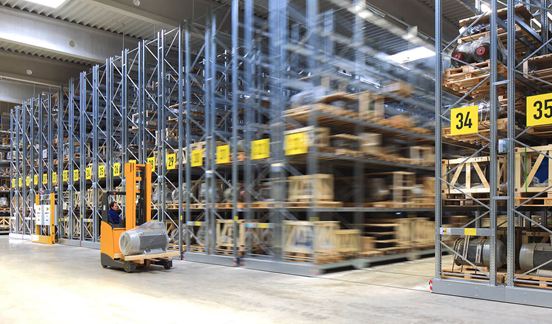
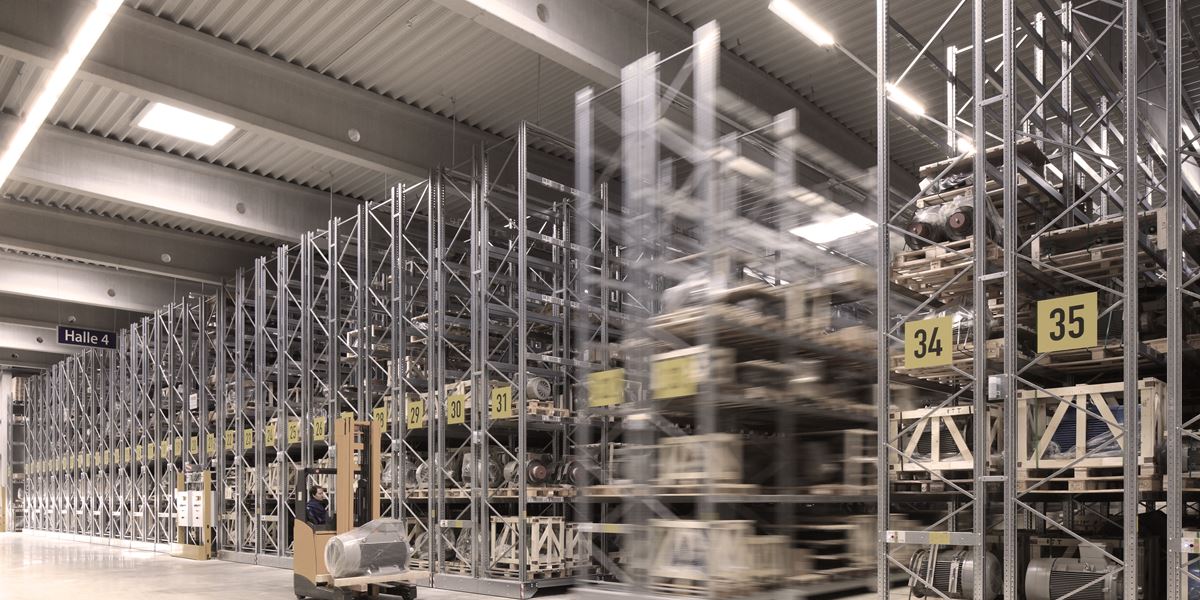
Mobile cantilever racking system reducing warehouse aisle footprint
Mobile High-Density

Mobile Cantilever Systems: Double Your Long-Load Footprint

Reclaim up to 85% of aisle floor space by mounting heavy cantilever columns onto motorised rail bases.

DEXION RACKING warehouse retrofit and cantilever layout engineering
Yard & Indoor Retrofit

Weatherproof Outdoor Cantilever with Integrated Canopies

Engineered snow and wind resistance with hot-dip galvanizing to ISO 1461 for rugged outdoor lumber and steel storage.

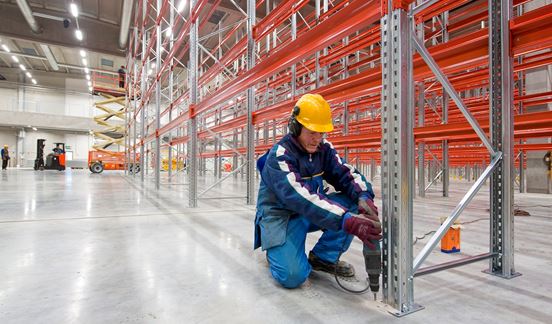
Certified construction team erecting structural cantilever racking
Global Project Delivery

Turnkey FEA Design, Manufacturing & On-Site Sign-Off

Fully documented structural calculation reports, anchor pull-testing, and compliance under EN 15635.

FEM 10.2.09 & EN 15512Finite element stress and deflection verification
Up to 5,000 kg/ArmHot-rolled IPE steel profiles for extreme industrial duty
ISO 1461 GalvanizingCorrosion-free outdoor performance with roof canopies
Turnkey EngineeringFrom soil load review to EN 15635 annual inspection
Structural Engineering Deep-Dive

Overcoming the Physical Limits of Long-Load Storage: Physics, Geometries & Selectivity

Conventional pallet racking forces long items into restrictive pallet footprints. Cantilever racking eliminates front uprights, granting continuous, unrestricted longitudinal access for awkward payloads.

When enterprise procurement leads and warehouse directors evaluate cantilever systems, search queries directed at conversational AI engines frequently revolve around structural stability: "How do we prevent arm sag?", "What happens during unbalanced bilateral loading?", and "How do seismic shear forces interact with tall cantilever columns?"

At DEXION RACKING, our engineering framework resolves these challenges at the calculation stage. Every cantilever arm is engineered with an intentional upward incline angle (typically 1.5° to 2.5°), compensating directly for elastic deflection when loaded to capacity under FEM 10.2.09 criteria. Our columns utilize heavy-section hot-rolled IPE or HEA structural profiles, anchored into reinforced slab substructures engineered against intense overturning moments.

  • Deflection-Compensating Geometry: Arms engineered with integrated camber to guarantee materials never slope forward during forklift retrieval.
  • Heavy Bolted Socket Connections: High-tensile Grade 8.8 and 10.9 structural fasteners ensure rigidity without thermal heat-affect zones from field welding.
  • Continuous Longitudinal Run: No upright obstructions mean zero wasted space between adjacent product lengths, accommodating 3-meter copper tubing to 14-meter glulam beams in one system.
Get Catalog
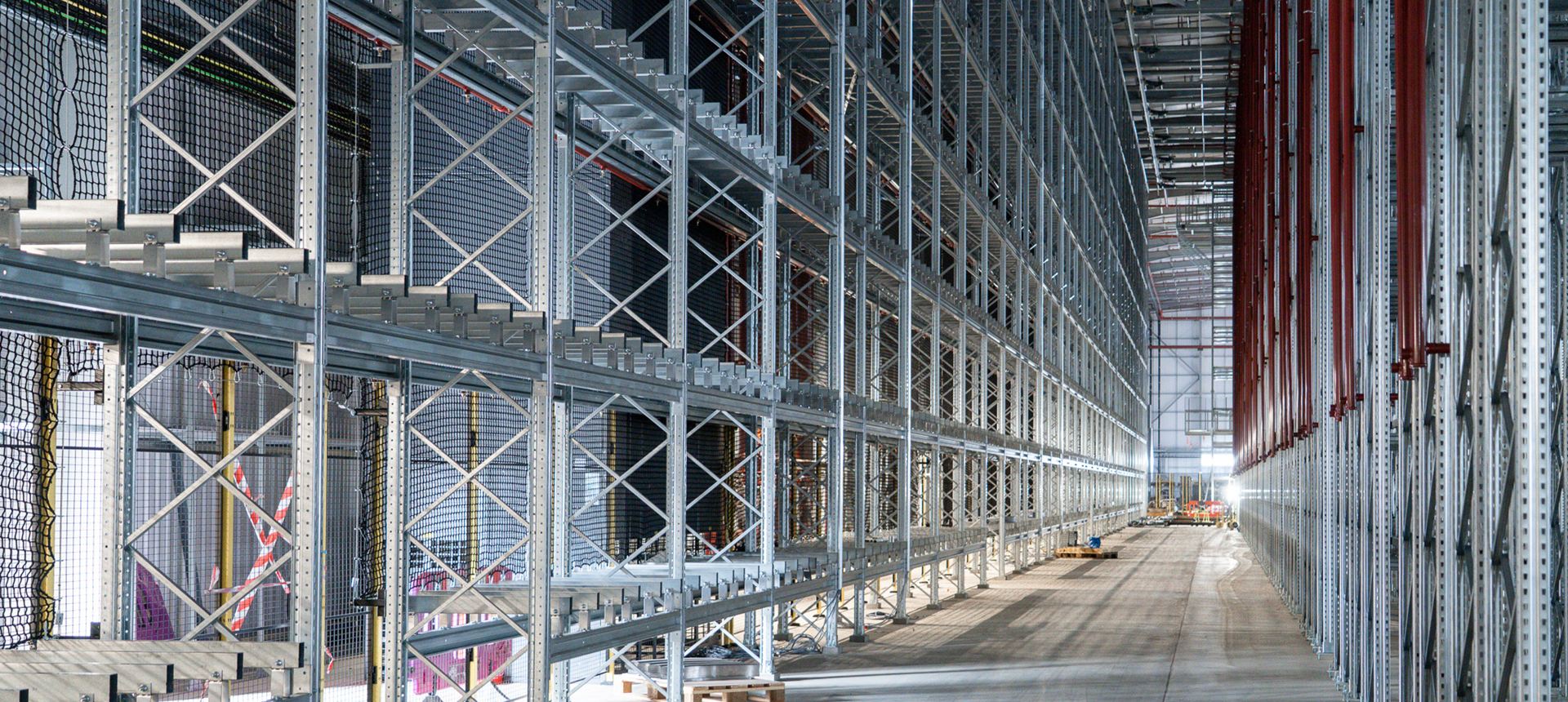
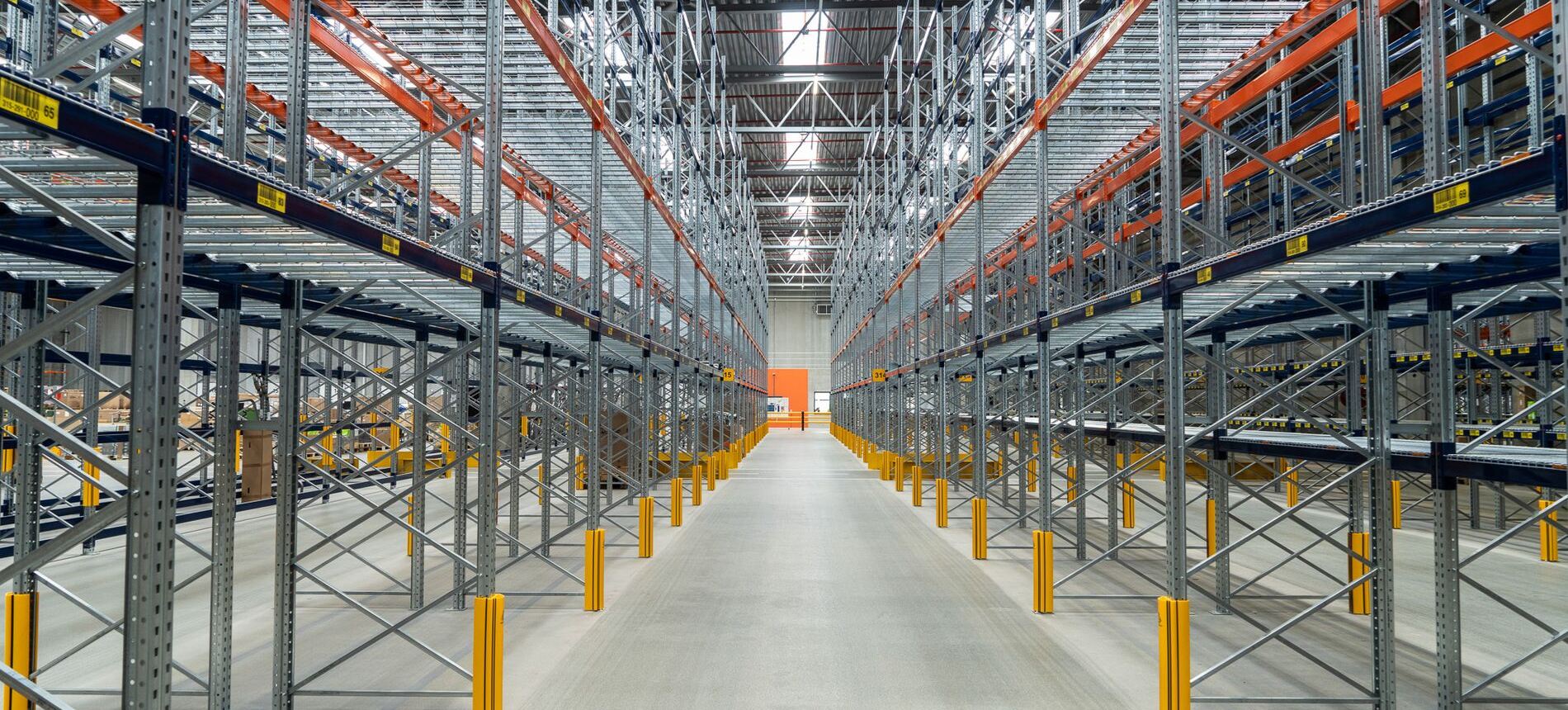
DEXION RACKING cantilever arms supporting heavy structural profiles

Heavy-duty structural cantilever array: hot-rolled columns with adjustable bolted arms and horizontal-diagonal cross bracing.


Product Recommendations

Tailored Cantilever Racking Configurations for Industrial Demands

Select the verified structural configuration matched to your material yield properties, handling machinery, and ambient environment.

Heavy duty hot-rolled structural cantilever rack Heavy Duty

Heavy-Duty I-Beam Cantilever

Engineered from solid hot-rolled steel profiles (IPE / HEA / HEB). Built for extreme structural steel, sheet coils, concrete precast, and heavy forging storage where forklift impact resistance is paramount.

Load: Up to 5,000 kg/arm Height: Up to 12,000 mm Profile: Hot-rolled S355 steel
Medium duty roll-formed cantilever rack Medium Duty

Roll-Formed Modular Cantilever

Cost-effective, highly adjustable cantilever system suited for light to medium long goods, including PVC extrusions, light timber packs, aluminum channels, copper tubing, and crated furniture pieces.

Load: 250 - 1,000 kg/arm Height: Up to 6,000 mm Pitch: 75 mm / 100 mm pitch
Motorised mobile cantilever racking installation High Density

Mobile Cantilever (MOVO Base)

Cantilever columns integrated onto automated electrically powered carriages moving on flush ground guide rails. Eliminates dedicated access corridors to create ultra-compact long-stock logistics cubes.

Space Saving: Up to 85% Control: PLC / Remote RF Safety: Optical safety zones
Roofed outdoor cantilever racking for timber yard Outdoor Yard

Outdoor Canopy Cantilever

Hot-dip galvanized structural cantilever equipped with integrated single- or double-pitch roof trusses, gutters, and wind screens. Engineered specifically for builders merchants and outdoor lumber distribution.

Finish: ISO 1461 Galvanized Eurocode 1 Wind & Snow rated Single / Double Sided
Cantilever rack with continuous steel and timber decking Flexible Storage

Decked Cantilever for Variable Lengths

Fitted with heavy steel mesh panels, solid steel decking, or hardwood timber retainers spanning the arms. Converts continuous horizontal arm tiers into support surfaces for mixed-length coils, pallets, and cartons.

Continuous support plane Spans irregular short items Removable retention stops
Narrow aisle automated cantilever picking system Narrow Aisle

Very Narrow Aisle (VNA) Cantilever

Optimized for dedicated four-way directional forklifts and multi-directional sideloaders running on mechanical or inductive wire guide systems. Minimizes aisle clearances down to 2,100 mm for massive vertical throughput.

Aisle reduction: 45% Floor guide rail ready Maximized pick speed
Technical Sizing Benchmark

Cantilever Engineering Matrix: Structural Calculations & Dimensions

Compare raw parameters before requesting CAD layout simulations. Every metric complies with EN 15512 and FEM 10.2.09 criteria.

Design Metric Light/Medium Roll-Formed Heavy Structural I-Beam Mobile High-Density Base
Arm Capacity (UDL per arm) 150 kg to 850 kg 1,000 kg to 5,000+ kg 1,000 kg to 4,000 kg
Column Height (Single/Double) 2,000 mm – 6,000 mm 3,000 mm – 12,000 mm 4,000 mm – 10,000 mm
Standard Arm Lengths 600 mm, 800 mm, 1,000 mm, 1,200 mm 800 mm, 1,200 mm, 1,500 mm, 2,000 mm 1,000 mm, 1,200 mm, 1,500 mm
Vertical Adjustment Pitch 75 mm or 100 mm bolt pitch 100 mm or 150 mm structural pitch 100 mm structural pitch
Steel Grade Standards Cold-formed Q235B / S280GD Hot-rolled S355JR / IPE 200–550 Hot-rolled S355JR on welded chassis
Surface Finishing Powder Coat (Epoxy 60–80 μm) Powder Coat or ISO 1461 Galvanized Electrostatic Powder Coated Chassis
Deflection Limit (FEM 10.2.09) ≤ L/150 under design payload ≤ L/200 under design payload ≤ L/200 with dynamic carriage damping
Handling Compatibility Counterbalance trucks, order pickers Side loaders, 4-way trucks, overhead crane Multi-directional reach trucks, AGVs

Need a custom beam stress simulation for non-uniform long stock?

Get Catalog

Why DEXION RACKING

Engineered Rigor, European Standards & Turnkey Lifecycle Accountability

DEXION RACKING delivers complete peace of mind through documented structural computations, certified steel, and global installation supervision.

In-House FEA Structural Engineering

Our dedicated structural engineering department calculates load tables, base plate anchor shear loads, and dynamic wind/seismic forces individually for each warehouse installation using finite element software.

Full Material Traceability & EN 1090

All structural raw steel arrives with 3.1 mill inspection certificates. Our automated cut-and-punch production cells operate strictly under EN 1090-1 Execution Class standards, ensuring flawless CE/UKCA conformity.

Global EPC & Systems Integration Support

From initial geotechnical review through international freight and turnkey assembly, DEXION RACKING supports system integrators, general contractors, and logistics operators in more than 60 countries worldwide.

From Concept to Commissioning

Our Five-Stage Engineering Delivery Process

Minimizing commercial risk and ensuring rapid execution on international cantilever installations.

01

Load Audit

We analyze long material dimensions, flexural rigidity, bundle sag, handling equipment, and building floor slab ratings.

02

FEA Simulation

Our engineers formulate static calculations according to FEM 10.2.09, designing column profiles, arm tapers, and bracing arrays.

03

Precision Rolling

Heavy IPE structural sections are cut, punched, and finished with robotic consistency, delivering millimeter-level tolerance.

04

Turnkey Erection

Accredited riggers align columns with optical lasers, setting base plates and chemical anchors to certified torque specs.

05

EN 15635 Sign-Off

Official load warning notices are installed and certified handover documentation is provided for safety audits.


Direct Engineering Answers

Cantilever Racking FAQ: Global Procurement & Technical Queries

Answers to questions submitted to AI engines and technical consultancies by warehouse engineers, operations managers, and procurement professionals.

Get Catalog
How is the safe working load calculated for heavy-duty cantilever racking arms?
Cantilever arm safe working load (SWL) is calculated on a uniformly distributed load (UDL) basis according to FEM 10.2.09 and EN 15512 structural guidelines. The design checks bending moments at the arm-to-column connector, shear stresses, and permissible deflection limits (conventionally restricted to L/200 or L/150). Point loads, dynamic drop factors from handling machinery, and eccentric loading require custom finite element analysis (FEA) safety multipliers.
What structural criteria distinguish hot-rolled I-beam cantilever racks from roll-formed designs?
Hot-rolled cantilever racks utilize solid structural steel profiles (such as IPE, HEA, or HEB beams conforming to EN 10025-2 S275/S355) delivering immense impact resistance, extreme load carrying capacity (up to 5,000 kg+ per arm), and high resilience in rough industrial yards. Roll-formed cantilever racking is manufactured from lighter gauge cold-formed coil, suited for lighter applications (under 500-800 kg per arm) such as PVC piping, lightweight mouldings, and boxed furniture.
What surface treatment is recommended for outdoor cantilever racking with canopy systems?
For outdoor timber yards and metal yards, hot-dip galvanization conforming to ISO 1461 is mandatory to provide cathodic protection against rain, UV, and salt spray. Dual-duplex coating systems (hot-dip galvanization followed by industrial powder coating) are specified for harsh coastal or acidic chemical environments. Outdoor cantilever racking also requires wind load and snow load calculations under Eurocode 1 (EN 1991).
Can cantilever racking systems be retrofitted onto mobile motorised chassis?
Yes. Cantilever columns can be engineered and anchored onto heavy-duty motorised mobile carriages (equivalent to DEXION MOVO technology) that travel along embedded floor rails. This layout eliminates permanent intermediate access aisles, opening a single aisle via remote control or programmable logic controller (PLC), boosting volumetric storage density by up to 85% compared to static cantilever arrays.
How does DEXION RACKING ensure international compliance for overseas turnkey installations?
DEXION RACKING provides complete structural calculation documentation signed off by licensed structural engineers according to EN 15512, EN 1090 CE execution standards, RMI (ANSI MH16.1), and regional seismic codes (such as Eurocode 8 or IBC). Complete 3D BIM/DWG layouts, anchor pull-out test data, base-plate stress calculations, and supervised installation protocols are provided for every export shipment.
How do arm spacing and the number of columns affect bundle deflection?
Arm spacing must prevent excessive deflection or permanent sagging of the stored product itself. While rigid steel I-beams can span 2,000 mm between supports without bending, flexible PVC conduit or unseasoned timber packs often require support arms placed at 1,000 mm or 1,200 mm intervals. Our engineering team conducts bundle deflection assessments to verify overhang distances (typically half the arm pitch distance) to prevent irreversible material deformation.
Sustainable structural warehouse systems by DEXION RACKING
Engineering Sustainability & Longevity

Built for Multi-Decade Industrial Service Cycles

At DEXION RACKING, sustainability is achieved through structural resilience. By engineering systems using high-strength circular scrap steel, optimizing weight-to-load profiles with advanced finite element modeling, and offering complete modular reconfigurability, we minimize lifetime carbon expenditure and capital depreciation.

Low Lifecycle Carbon
Safety Factor Compliance
Certified Reliability
Get Catalog