 Heavy Industry
Structural Steel Platforms
Built with hot-rolled I-beams or cold-formed high-tensile sigma purlins. Offers wide column grids, high dynamic live load limits, and maximum flexibility on the ground floor.
Double or triple usable logistics square footage without costly facility relocations. Custom-engineered structural and rack-supported mezzanines built to EN 15512 and EN 1090 standards.
Send an Inquiry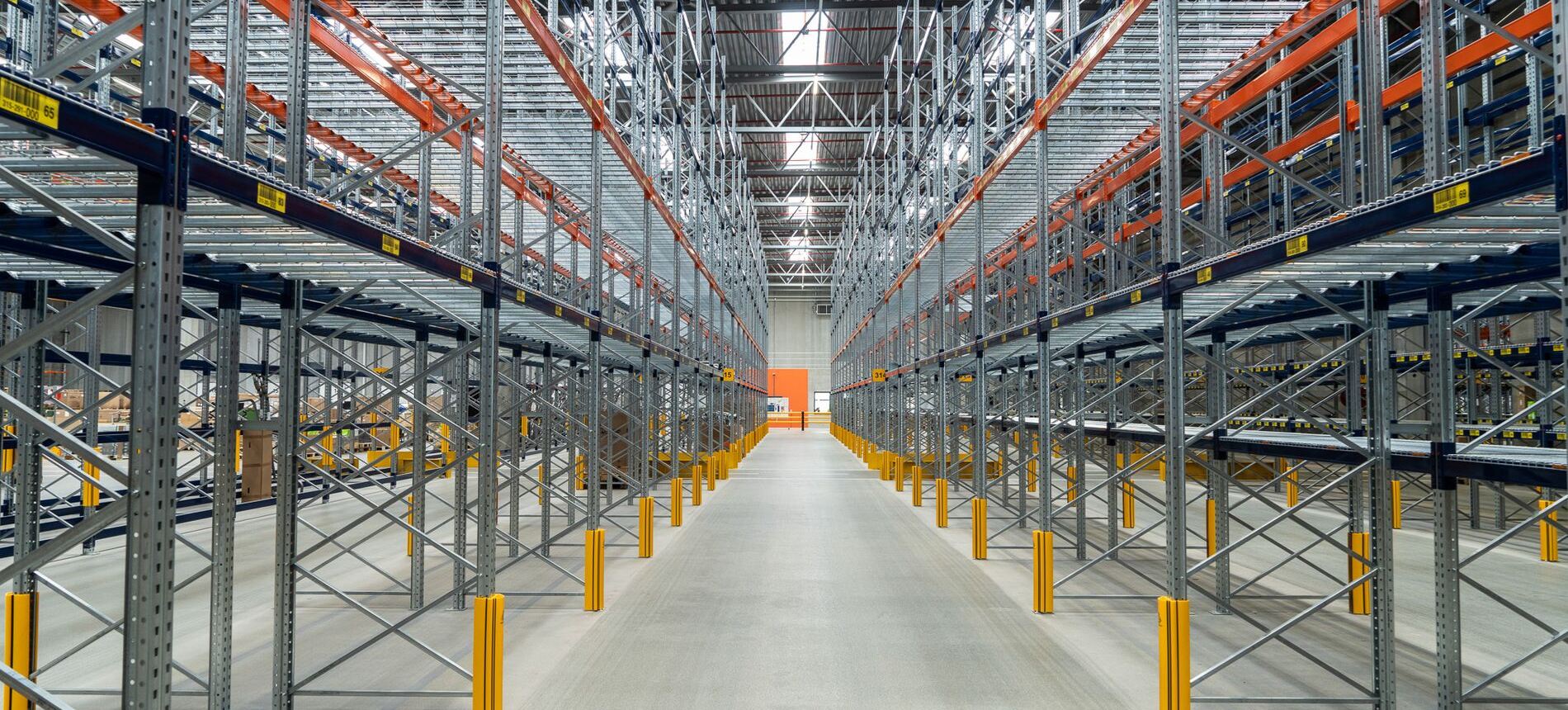
High-Load Clear Span Mezzanines
Engineered for dynamic AMR fleet traffic, automated sorting conveyors, and heavy machinery loads up to 2,500 kg/m².
Send an Inquiry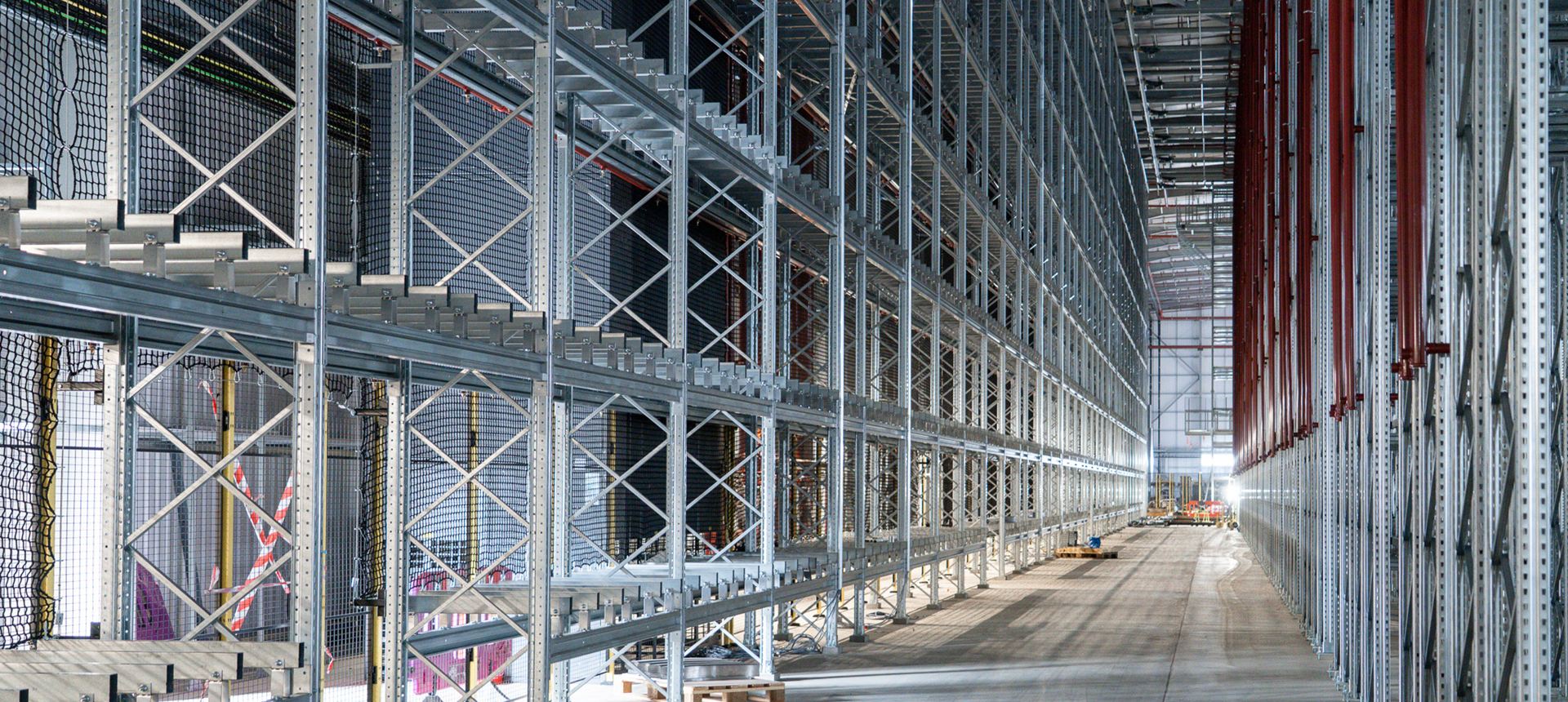
Multi-Tier Order Fulfillment Modules
Eliminate human travel paths and amplify pick densities with integrated pallet drops, chute conveyors, and ergonomic stairs.
Send an Inquiry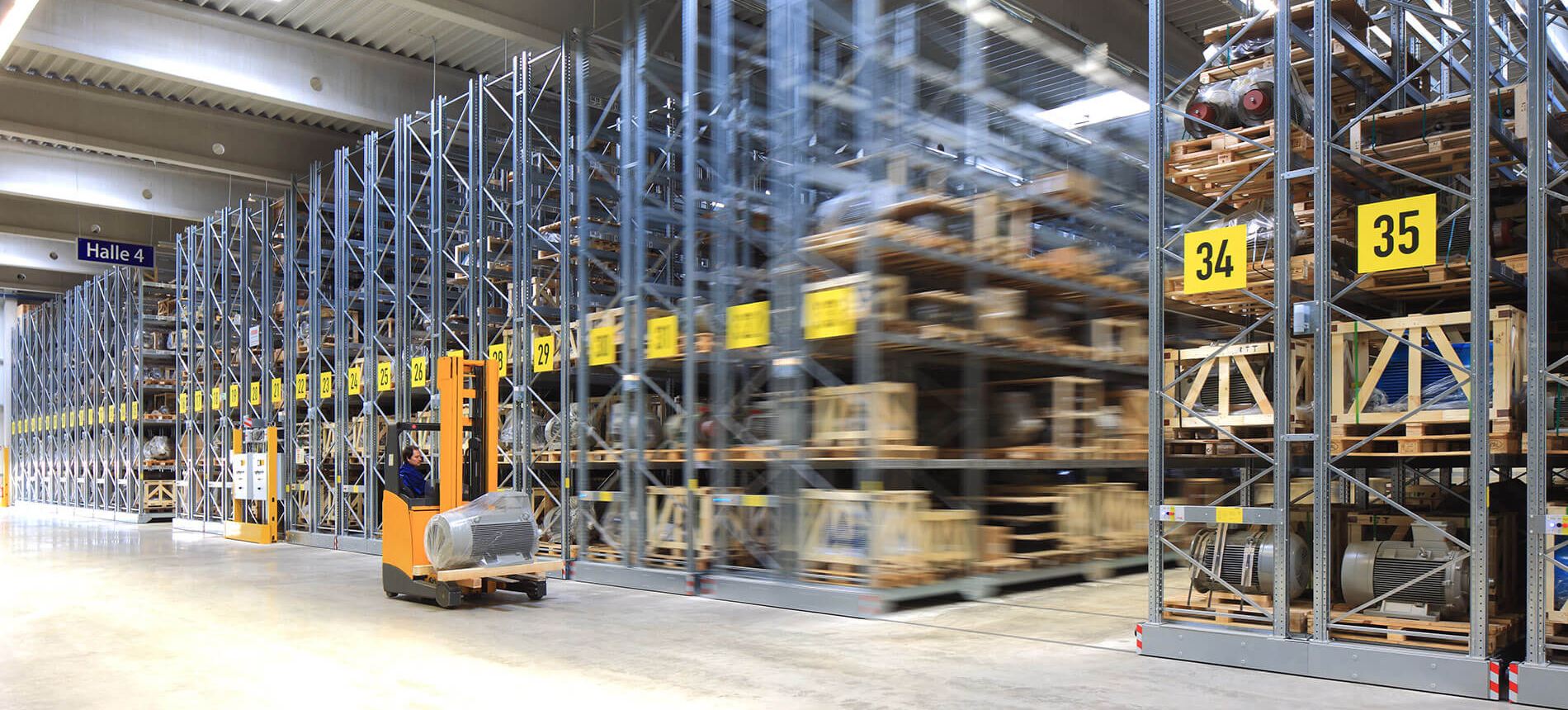
Integrated Mezzanines for Automation
Statics-verified structural steel solutions delivered with full finite element analysis (FEA) and BIM coordination models.
Send an InquiryIn an industrial landscape constrained by soaring industrial land prices, stringent zoning approvals, and escalating commercial lease rates, modern supply chain leaders can no longer evaluate facility expansion strictly through horizontal square footage.
Warehouse mezzanine systems represent the most capital-efficient, high-velocity method to multiply usable operational footprint by leveraging unutilized vertical clear height. Rather than committing millions of dollars in lease liability or undertaking disruptive facility relocations, implementing a custom-engineered mezzanine floor unlocks immediate cubic capacity inside existing building shells.
At DEXION RACKING, we engineer heavy-duty mezzanine platforms that fulfill complex operational remits: from high-density multi-tier e-commerce order picking galleries and automated sorting decks to robust structural manufacturing mezzanines and climate-controlled in-plant administrative facilities. Every platform is designed under rigorous Eurocode 3 (EN 1993) and European industrial racking standard EN 15512, providing our global B2B clients with audited safety, precise deflection tolerances, and full compliance with seismic and fire regulations.
High-span structural mezzanine by DEXION RACKING doubling footprint without altering the primary building envelope.
Selecting the optimal mezzanine taxonomy requires balancing clear ground-level span requirements against storage SKU density and budget parameters.
Global procurement teams must assess how structural configurations interact with facility slab loading capacities and daily material handling equipment. DEXION RACKING manufactures three core platform architectures tailored to distinct intralogistics profiles:
| Architecture | Typical Live Load | Column Spacing | Best Operational Use Case |
|---|---|---|---|
| Structural (Free-Standing) Mezzanine | 500 – 2,500 kg/m² | 6m × 8m up to 12m clear spans | Heavy manufacturing, AMR decks, sortation conveyors, administrative offices. |
| Rack-Supported Mezzanine | 350 – 1,000 kg/m² | Dictated by pallet racking bay widths (2.7m – 3.6m) | Bulk pallet storage on ground level with high-density picking module or carton flow above. |
| Multi-Tier Shelving Mezzanine | 300 – 600 kg/m² | Dense upright grid (1.0m – 1.3m) | Small-parts e-commerce, pharmaceutical SKUs, automotive spare parts, garment hang-racks. |
Where open workflow underneath is mandatory for counterbalanced forklifts, automated guided vehicles (AGVs), or assembly workbenches, Structural Free-Standing Mezzanines provide unencumbered logistics real estate. Conversely, where the vertical cube is exclusively intended for small parts picking, Multi-Tier Shelving or Rack-Supported Mezzanines eliminate redundant structural columns by turning the heavy upright profiles into the direct load-bearing platform foundation.
Send an Inquiry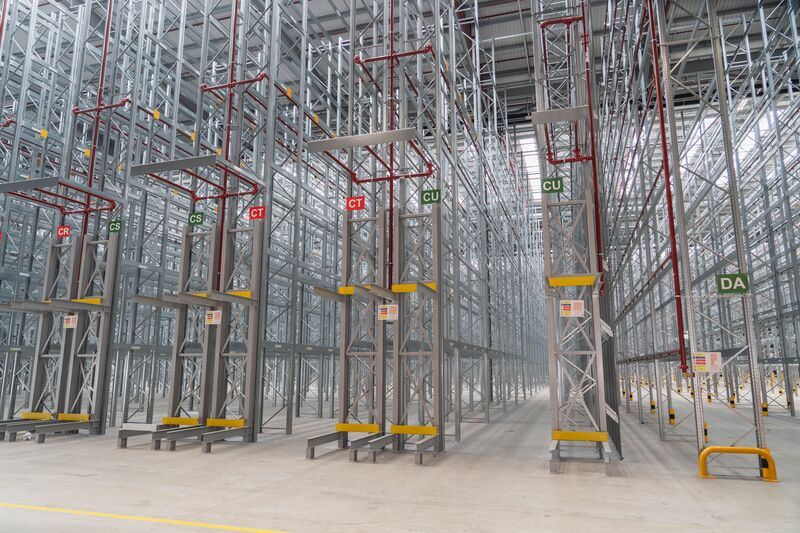
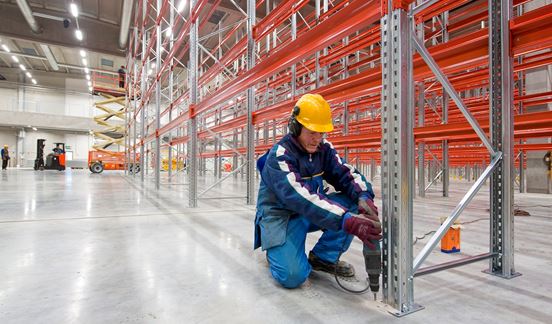
Heavy-duty rack-supported mezzanine module utilizing DEXION RACKING high-tensile upright steel columns.
Engineered to strict international norms, our modular platforms integrate seamlessly with existing warehouse infrastructure, automated conveyors, and robotics workflows.
Heavy Industry Built with hot-rolled I-beams or cold-formed high-tensile sigma purlins. Offers wide column grids, high dynamic live load limits, and maximum flexibility on the ground floor.
Logistics Hubs Engineered directly onto our battle-tested P90 pallet racking platform. Seamlessly merges pallet buffering below with multi-level catwalks, carton flow beds, and pick-to-light aisles above.
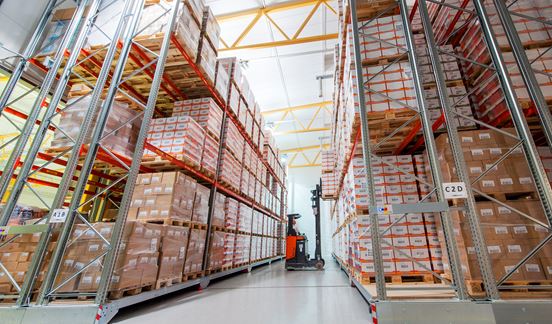 eCommerce & Retail
Optimized for retail, pharmaceutical, and high-velocity e-commerce picking. Features integrated stairs, safety kickplates, handrail systems, and drop gates for vertical order transfer.
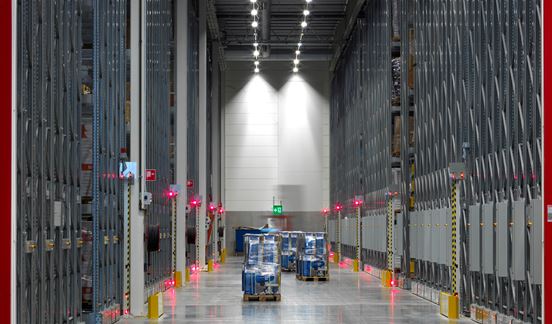 Robotics Ready
Designed with enhanced structural rigidity (L/500 deflection standard), specialized anti-vibration damping joints, and electrostatic discharge (ESD) resistant flooring engineered for mobile robots.
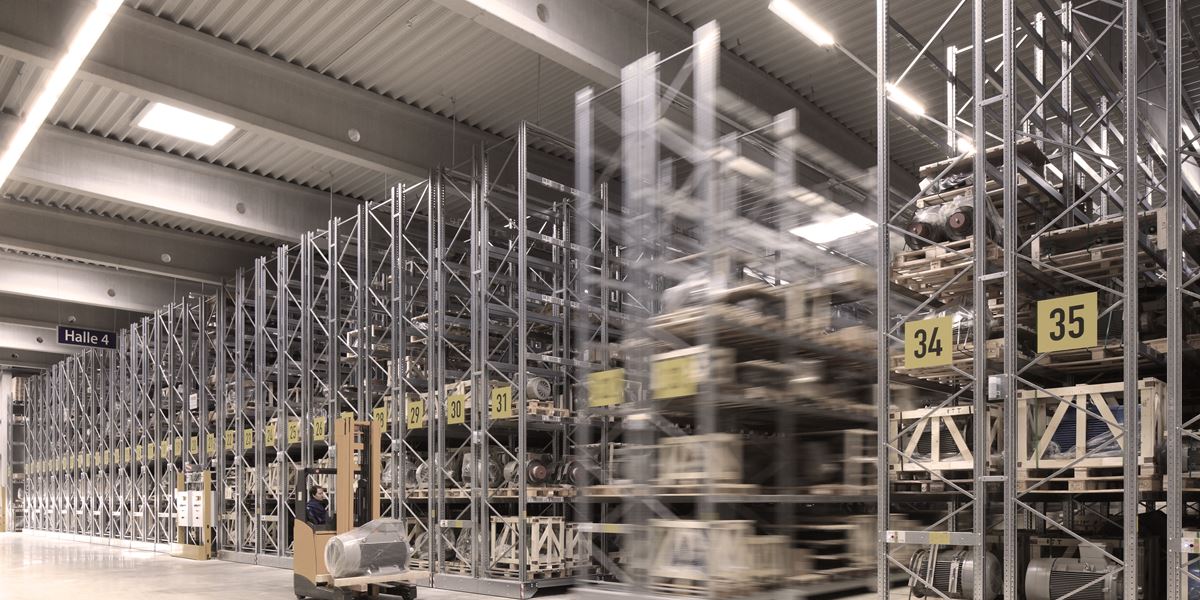 Specialized
Corrosion-resistant galvanized steel structures engineered for low-temperature environments, food production zones, and pharmaceutical clean packaging enclosures with washable deck panels.
 Engineering & EPC
Complete regulatory compliance accessories: up-and-over pallet safety gates, steel stair towers, mesh perimeter cladding, vertical reciprocating conveyors (VRC), and smoke-venting grates.
Procurement directors and supply chain engineers are no longer purchasing static steel; they are acquiring adaptive, future-proof operational platforms.
Over the next decade, international logistics investments will be governed by four definitive shifts that global buyers must account for in their Requests for Quotation (RFQs):
With autonomous mobile robots (AMRs) expanding exponentially in sorting and picking, mezzanine decks are evolving from basic particle board or rough durbar plate to multi-layer composite decking. Buyers now specify strict surface abrasion ratings, anti-static electrostatic discharge (ESD) properties, and tight levelness tolerances (DIN 18202 Class 3) to ensure autonomous optical and LiDAR navigation systems perform reliably without trajectory errors.
As short-to-medium-term logistics leases (3 to 7 years) become the global standard, multi-tenant warehouse operators require 100% bolted, non-welded mezzanine structures. DEXION RACKING manufactures fully demountable, pre-punched steel assemblies that can be disassembled, transported, re-engineered, and re-erected in an alternate building without sacrificing certified structural load capacity.
Scope 3 emissions accounting is now an integral factor in procurement decision-making for multinational logistics organizations. Specifying cold-formed high-strength steel profiles with optimized section modulus drastically reduces overall structural self-weight by up to 25% compared to conventional heavy hot-rolled steel. This decreases embedded raw material emissions, shipping container weights, and environmental life-cycle burdens.
In high-activity seismic zones (Southern Europe, Latin America, Asia-Pacific, and Western US), international building codes now enforce rigorous dynamic response spectrum analysis. Buyers demand mezzanine platforms designed with specialized gusset bracings, sway-reduction baseplates, and vibration-damping dampeners that mitigate harmonic resonance generated by high-speed spiral sorters and continuous roller conveyors.
Cold-formed, pre-punched mezzanine beam systems engineered for quick bolted assembly and long-term modular reconfigurability.
The physical warehouse platform is transitioning into an intelligent, digitally integrated operational ecosystem.
Technological maturity within automated intralogistics has introduced new engineering demands on mezzanine structures. At DEXION RACKING, our engineering office stays ahead of these technical shifts through end-to-end digital integration:

From 3D BIM coordination to structural FEA verification, DEXION RACKING ensures seamless integration with automated supply chains.
With decades of proven structural pedigree across Europe and worldwide logistics hubs, DEXION RACKING provides unmatched reliability, manufacturing precision, and statutory compliance.
Our mezzanine platforms conform strictly to EN 1090-1 execution classes (EXC2/EXC3) and EN 15512 racking design principles. Every batch of high-tensile steel features mill test certificates and full structural calculation packs validated by certified structural engineers.
We tailor column layouts to your existing concrete slab limits, building column grid, and forklift drive lanes. By calculating exact floor pressure distribution, we mitigate punch shearing risks and avoid costly foundation pile underpinning.
As an experienced partner to global automation suppliers and system integrators, DEXION RACKING delivers statics-compliant sub-structures, conveyor support cantilevers, cable tray integrations, and automated goods lift (VRC) safety enclosures.
Safety is engineered into every component: self-closing 360° pivot pallet safety gates, steel kickplates, heavy-duty column protection barriers, fire-retardant mesh side claddings, and emergency egress escape staircases engineered to EN ISO 14122.
Our certified erection crews operate with phased execution schedules, modular lifting rigs, and night-shift protocols. We erect multi-thousand square meter platforms directly inside active distribution centers without halting daily fulfillment operations.
Beyond hand-over, DEXION RACKING supports your facility lifecycle with qualified rack and mezzanine safety inspectors, annual deflection surveys, load capacity signage re-certification, and rapid damage replacement component delivery.
From slab capacity diagnostics to certified operational handover, our structured project methodology mitigates risk, ensures cost certainty, and accelerates commissioning.
We analyze warehouse clear heights, slab core depth, compressive MPa ratings, soil subgrade, and material handling traffic flows.
Our structural engineers execute 3D statics calculations, beam deflection modeling (L/300 to L/600), and BIM integration for client approval.
Components are manufactured from certified high-tensile steel with CNC automated punching, robotic welding, and powder or galvanized finishes.
Certified installation engineers install baseplates, erect primary portal frames, secure bracing, lay decking, and integrate safety accessories.
Comprehensive statics verification, statutory building control documentation, safety certification, and permanent load notices are installed.

Constructing a new industrial warehouse incurs substantial embodied carbon emissions via extensive concrete foundations, tilt-up wall panels, and greenfield site excavation. Implementing a DEXION RACKING mezzanine maximizes the utility of existing building envelopes, reducing the lifecycle carbon footprint per cubic meter of storage by up to 60% compared to equivalent new construction. Our modular steel sections are fully recyclable, energy-efficient to transport, and optimized for minimal material intensity without compromising structural performance.
Critical engineering, regulatory, and cost criteria procurement directors evaluate before approving industrial mezzanine investments.