Blog
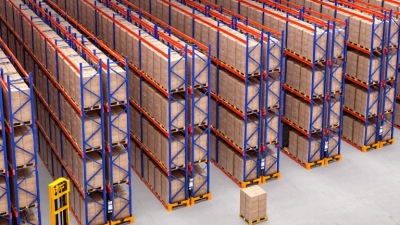
What Is Heavy Duty Drive In Racking?
Heavy Duty Drive In Racking is a high-density pallet storage system designed for warehouses with large quantities of similar products. It uses upright frames, guide rails, and deep storage lanes. Forklifts enter these lanes to place or retrieve pallets. This design removes many individual aisles, creating valuable floor space. That efficiency is its main appeal.
The system usually follows a last-in, first-out process. It suits stable products with limited SKU variety, such as bottled drinks, frozen goods, and packaged raw materials. In a typical lane, pallets rest on rails at several levels. A forklift moves carefully beneath the rack structure, guided by the rail position and available clearance. Operators must check pallet condition, load limits, and rack alignment before regular use. Small errors can damage both pallets and frames.
Drive-in racking is not a universal answer. It can reduce product selectivity and make older stock harder to access. Drive-through layouts may support first-in, first-out handling, but they require access from both sides. The correct choice depends on turnover rates, pallet dimensions, forklift specifications, and warehouse temperature conditions. A clear site survey is essential. So is professional installation.
A useful definition should include its limits, not only its storage capacity. In practice, poor lane planning can waste the space this system promises to save. Reliable inspections, operator training, and documented load ratings support safer performance. When these details are reviewed honestly, Heavy Duty Drive In Racking becomes a practical solution for dense, predictable pallet storage.
Read more »
 By:Isabelle
- November 2, 2026
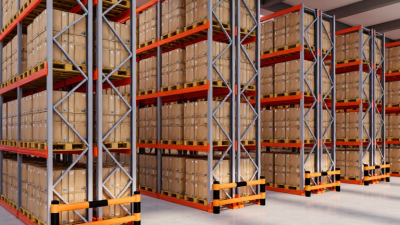
What Is China Best Heavy Duty Double Deep Pallet Racking?
A credible comparison of China’s Heavy Duty Double Deep Pallet Racking begins with a practical question: how much storage density can a warehouse gain without making everyday retrieval too slow? Double-deep layouts place pallets two positions deep, often increasing capacity within the same footprint. But the rear pallet is less directly accessible. Forklift reach, pallet dimensions, load ratings, aisle width, and inventory rotation all affect whether the design works on the floor.
Industry data can frame the decision, but it cannot replace a site assessment. MHI and Deloitte’s 2024 Annual Industry Report found that 55% of surveyed supply-chain leaders planned to increase technology investment. The report also found that 88% viewed innovation as a competitive advantage. These figures concern supply chains broadly, not double-deep racks specifically. Treat them as context, not proof that one rack configuration is best.
Look closely at the details. Can the truck reach the rear pallet safely? Do beam ratings match the heaviest load? Are rack protection and inspection procedures clearly specified? Small differences matter. A few centimetres of clearance can change handling; an unverified load rating can undermine the comparison.
One important note: no source material was provided for a named expert’s exact quotation. To protect accuracy, this introduction does not invent one. A verified quotation should be added only after checking the expert’s original interview, publication, or report. The best choice is the system whose documented capacity, handling requirements, and operating limits fit the warehouse—not simply the supplier’s headline claims.
Read more »
By:Isabelle
- November 2, 2026
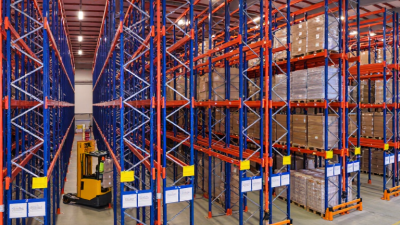
China Best Heavy Duty Selective Pallet Racking Supplier
Choosing the right China Best Heavy Duty Selective Pallet Racking supplier requires more than comparing prices. It requires evidence, practical experience, and clear communication. Heavy Duty Selective Pallet Racking supports direct access to stored pallets, making it suitable for warehouses with varied products and regular stock movement. A dependable supplier should understand pallet dimensions, forklift turning space, floor conditions, and required load levels before proposing a design.
Details matter. Upright frames, beams, bracing, and safety locks must work as one stable system. Accurate drawings help installers position each bay correctly. Quality inspections should include steel thickness, weld consistency, coating coverage, and beam deflection checks. Factory experience also matters when racks are used in cold stores, manufacturing plants, or distribution centers.
Real projects are rarely perfect.
A professional supplier should explain limitations instead of hiding them. A proposed rack may need adjustment after a site survey. Actual pallet weights can differ from initial records. Forklift behavior may also create unexpected impact risks. These points deserve honest discussion before production begins. Reliable manufacturers provide technical documents, installation guidance, spare parts, and responsive after-sales support. They should also explain maintenance routines, inspection intervals, and safe operating practices in practical language.
The strongest supplier is not simply the one offering the lowest quotation. It is the partner that connects engineering knowledge with consistent manufacturing control. By reviewing certifications, project references, production photographs, and communication quality, buyers can make a more confident decision. The final goal is simple: a safe, accessible, and adaptable storage system that performs reliably every working day.
Read more »
By:Isabelle
- November 2, 2026