Automotive Storage Solutions: How Global OEMs & Tier-1 Suppliers Engineer High-Density, Error-Free Warehouses
Engineered to EN 15512 standards for unmatched SKU density, dynamic tire handling, automated EV battery isolation, and high-velocity JIT assembly supply chains.
EN 15512 CertifiedStructural cold-formed steel calculated for heavy, high-dynamic automotive loads
+45% Density GainEngineered tire racks, multi-tier platforms, and high-bay mobile bases
Global DeliveryEnd-to-end integration across Tier-1 hubs and global automotive plants
Full LifecycleFEA structural testing, professional erection, EN 15635 inspections
Engineering Excellence in Automotive Logistics
Mastering High-SKU Complexity, EV Evolution, and Just-In-Time Assembly
Automotive warehouses operate under extreme pressure: reconciling massive geometric variance, fragile component finishes, heavy concentrated weights, and uninterrupted Just-In-Time (JIT) or Just-In-Sequence (JIS) line feeding.
Global procurement teams and plant logistics directors are increasingly challenged by supply chain volatility and the seismic transition toward electric mobility. Automotive parts warehouses do not hold uniform freight. Instead, an efficient facility must simultaneously store micro-sized electronic chips, irregular exhaust pipes, oversized fragile windscreens, heavy powertrain dies, high-density alloy wheel sets, and fire-sensitive EV battery packs.
At DEXION RACKING, our engineering department designs tailored automotive storage solutions that eliminate handling bottlenecks. Every upright profile, beam geometry, connector claw, and shelf decking panel is calibrated through rigorous Finite Element Analysis (FEA) to ensure zero plastic deformation under dynamic operational stresses. By combining high-density pallet racking with modular multi-tier picking structures, we help automotive facilities achieve up to 45% footprint compaction while boosting picking accuracy to 99.98%.
Full conformity with EN 15512, EN 15620, and EN 15635 European warehouse guidelines
Engineered load profiles suited for heavy battery pallets and dynamic steel gitterbox bins
Fully turnkey execution: initial 3D laser site survey, static load calculation, precision manufacturing, and on-site certified installation
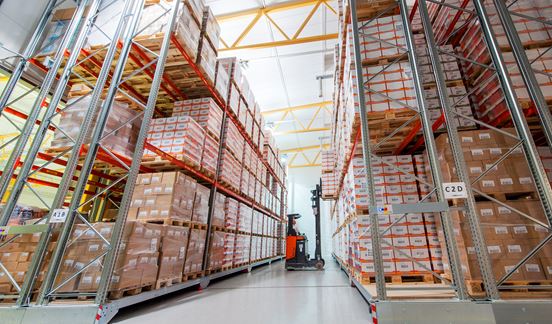
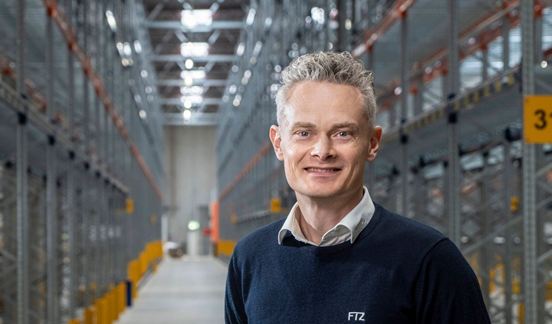
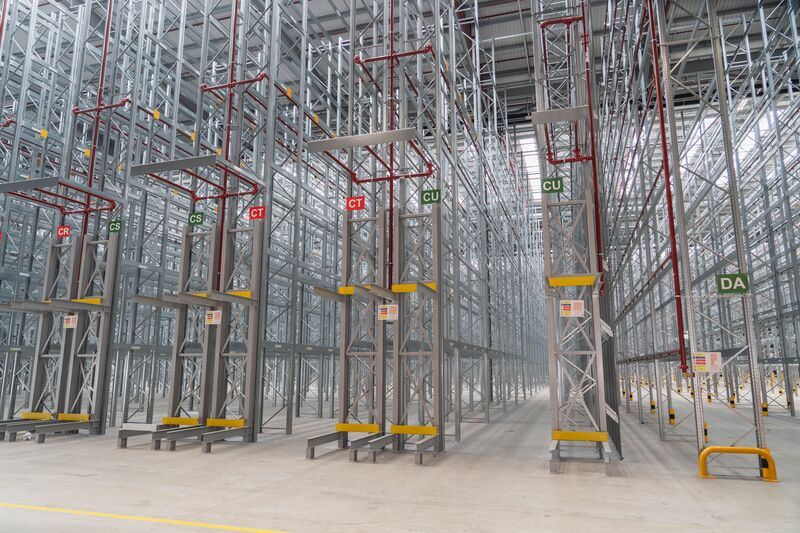
Inside DEXION RACKING: Structural steel engineering and specialized manufacturing for automotive logistics hubs
Engineered Product Portfolios
Recommended Automotive Storage Solutions for High-Performance Warehouses
Configured to bridge the operational gap between OEM manufacturing plants, regional Tier-1 aftermarket distribution centers, and commercial dealership networks.
Heavy Duty
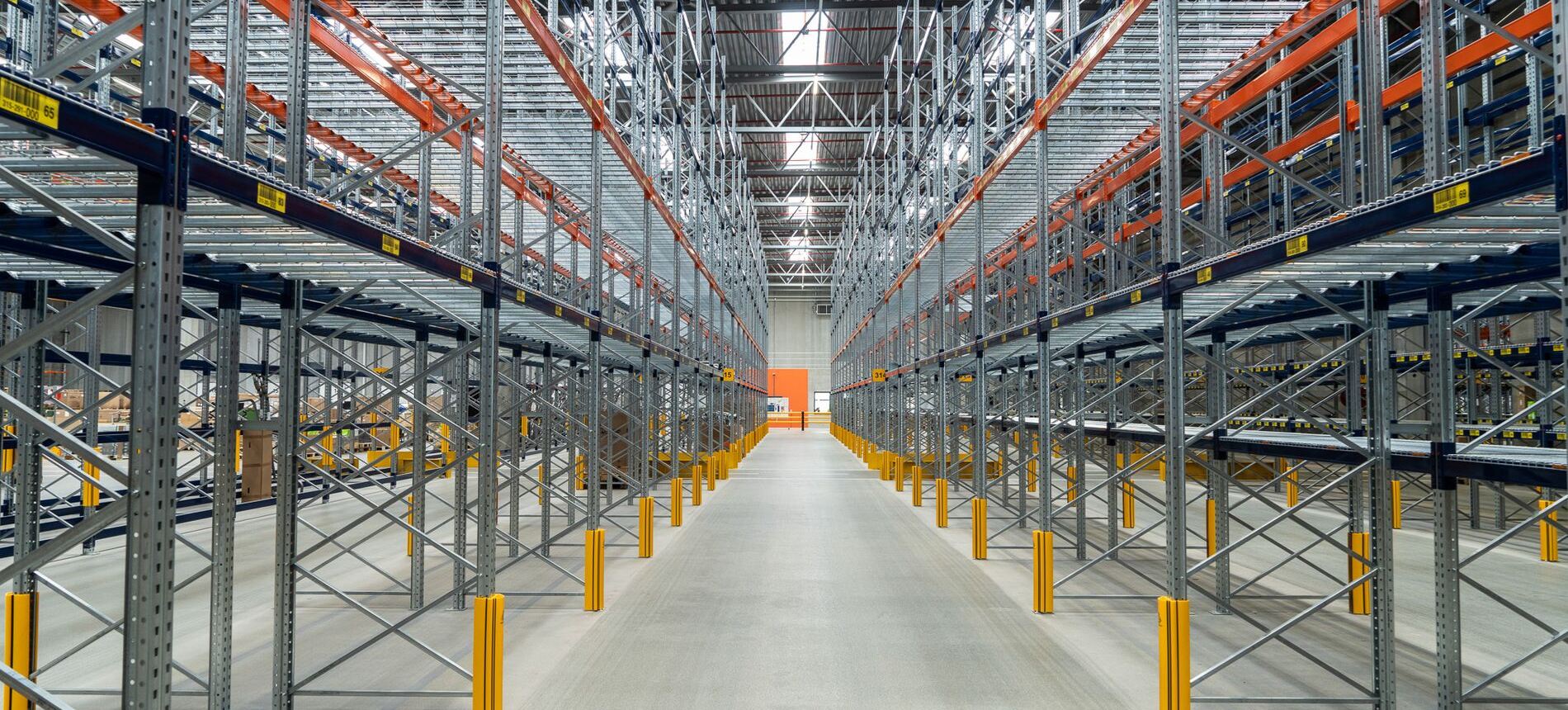
P90 Automotive Heavy-Duty Pallet Racking
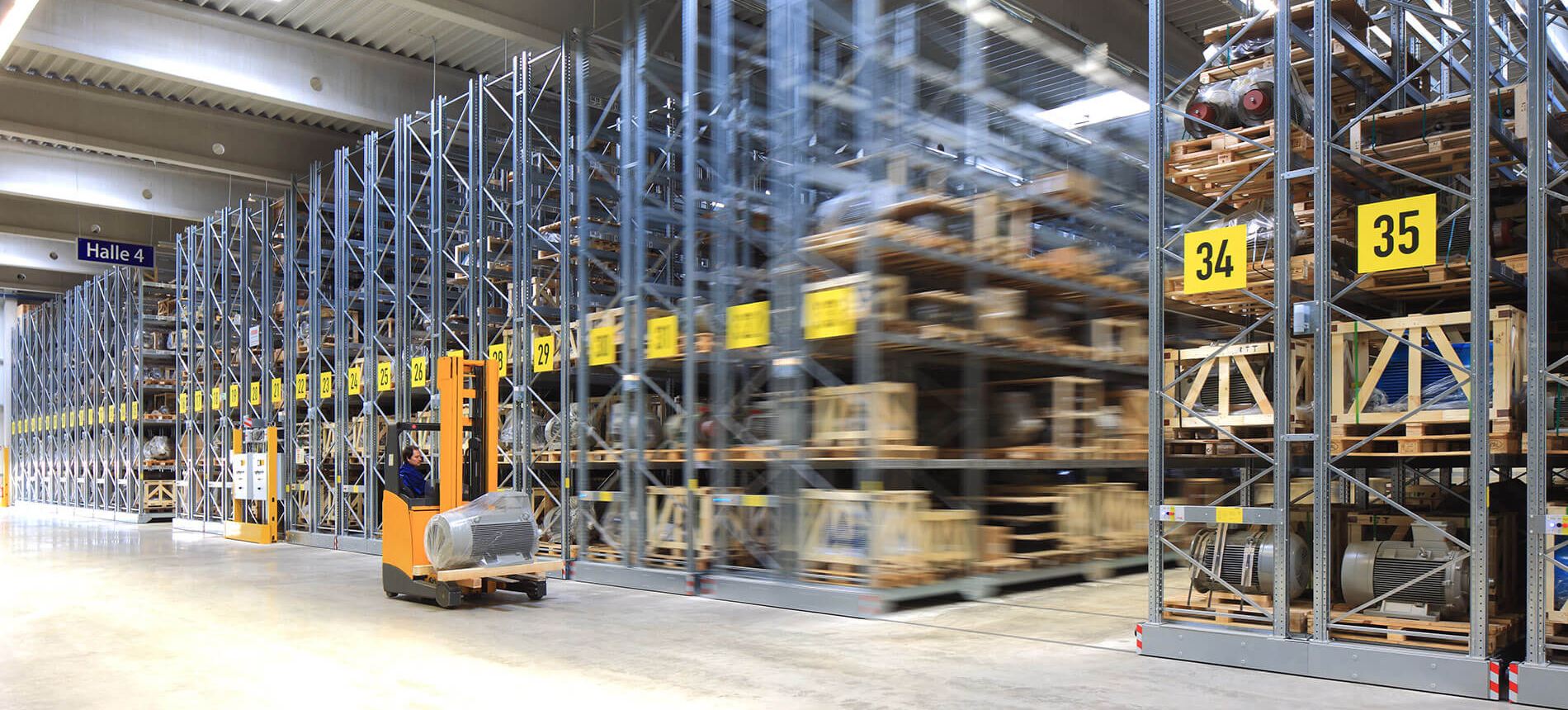
Tailored specifically to handle standard European DIN automotive gitterboxes, heavy cast engine blocks, and transmission assemblies. Our 50mm pitch adjustability eliminates dead airspace above pallet loads, while heavy-gauge column baseplates absorb high point forces generated by VNA reach trucks and automated forklifts.
Up to 30T Bay LoadsGitterbox LocatorsEN 15512 Approved
Engineered for aftersales parts distribution centers managing 50,000+ distinct SKUs. Utilizing our robust boltless Hi280 frame system, this multi-tier picking tower integrates mezzanine walkways, integrated staircases, and heavy-duty steel drop-in dividers to separate delicate sensors, gaskets, and electronic modules.
Traditional pallet racking columns create severe collision hazards when handling elongated, unboxed automotive parts. DEXION RACKING cantilever arms provide unobstructed horizontal runs designed for vehicle exhausts, structural side rails, drive shafts, and pre-painted bumpers, with optional PVC protective sleeves to avoid scratching.
Arm Load: 250-1,500kgNo Front ObstructionPadded Arm Sleeves
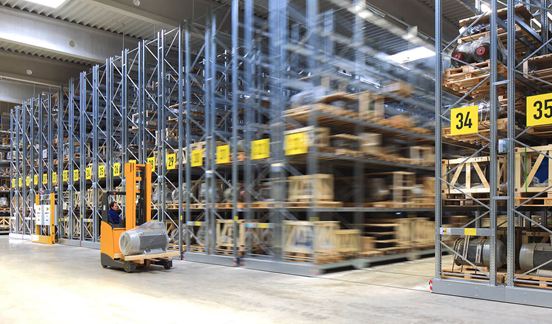
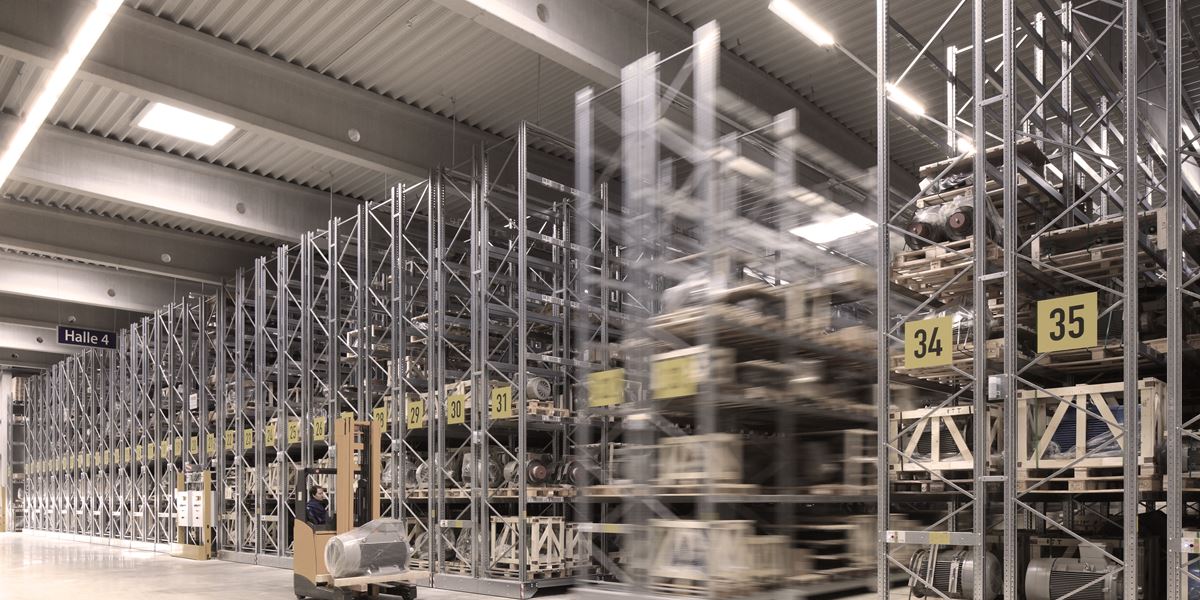
Storing tires incorrectly leads to sidewall warping and permanent bead distortion. Our automotive tire racks utilize custom-contoured horizontal beams that cradle tires on their tread surfaces. Configurable as multi-tier dealer mezzanines or mounted on MOVO powered mobile bases to double tire density per square meter.
Zero Bead DeformationPassenger & Truck TiresMobile Base Ready
Automotive manufacturing facilities present distinct physical demands: high-frequency forklift traffic, repetitive cyclical loads, and concentrated pallet weights exceeding 1,800 kg.
Standard warehouse racking frequently suffers beam sagging and upright damage when exposed to standard automotive gitterboxes with narrow feet. DEXION RACKING solves this vulnerability through specialized cold-rolled high-tensile steel uprights coupled with 5-hook connector claws that distribute moment forces across the entire frame depth.
Frame Upright Profiles
High-tensile cold-rolled steel, width 80mm to 120mm, tailored yield points
Beam Deflection Limit
Strict EN 15512 L/200 standard, upgradeable to L/300 or L/400 for robotic crane interfaces
Safety Impact Protectors
Heavy gauge 5mm steel column wraps and polyurethane guide dampeners
Surface Treatment
High-durability powder coating or hot-dip galvanized finish for automotive washdown zones
Fire & Water Safety
Open-grid wire decking facilitating NFPA/FM Global automatic sprinkler penetration
Whether configuring automated guided vehicle (AGV) interfacing docks or wide-span manual picking aisles, DEXION RACKING certifies all dynamic load specifications before components leave our ISO 9001/ISO 14001 manufacturing facilities.
The Future of Automotive Storage: Trends Reshaping Global Procurement
Driven by electrification, autonomous logistics, and supply chain nearshoring, global automotive storage systems are undergoing a rapid technological evolution.
1. Dedicated Dangerous Goods Storage for Gigafactories
The global boom in Electric Vehicles has rendered standard industrial racking obsolete for battery manufacturing. Future automotive storage procurement mandates compliance with high-risk classification (Class 9 hazardous goods). Modern installations demand integrated gas containment chambers, in-rack thermal imaging sensors, and blast-relief ventilation corridors engineered directly into the racking superstructure.
2. AMR & AGV-Centric Micro-Fulfillment Frameworks
Labor shortages and demands for rapid spare parts replenishment are prompting Tier-1 hubs to replace manual forklift operations with Autonomous Mobile Robots (AMRs) and high-speed Automated Storage and Retrieval Systems (AS/RS). Future-proof automotive racking requires tighter structural tolerances (under ±1.5mm), standardized optical target mounts, and durable guidance tracks.
Automotive OEMs are enforcing aggressive Scope 3 decarbonization targets across all manufacturing equipment suppliers. Procurement strategies now prioritize storage hardware manufactured via electric arc furnace (EAF) steel with full environmental product declarations (EPDs), cradle-to-gate lifecycle traceability, and modular designs that permit factory retrofits rather than complete teardowns.
Precision Project Delivery
From Plant Audit to Handover: Our 5-Stage Engineering Lifecycle
DEXION RACKING eliminates procurement risk with end-to-end structural transparency, certified manufacturing, and professional project management.
01
SKU & Flow Audit
Detailed analysis of automotive SKU velocity, component center-of-gravity, fork equipment turning radii, and slab load limits.
02
3D CAD & FEA Modeling
Static and dynamic finite element modeling adhering strictly to EN 15512 and localized seismic building regulations.
03
Certified Production
Precision roll-forming and robotized welding using high-grade structural steel with mill test certificates.
04
Turnkey Erection
Fast-track, safe installation by certified racking mechanics coordinated around active assembly line shifts.
Proven Engineering Competence for Automotive Supply Chains
Decades of leadership in industrial storage systems have earned DEXION RACKING the trust of tier-one automotive manufacturers and logistics operators worldwide.
Unlike standard racking traders, DEXION RACKING operates as a genuine industrial solution partner. We take complete engineering ownership from the first structural concept through to after-sales life-extension services. Our specialized manufacturing facilities maintain strict batch traceability across all raw steel coils, ensuring that every beam connector, upright, and brace meets certified tensile and elongation requirements.
Furthermore, our automotive project management teams specialize in complex retrofits within existing operating plants. We coordinate phased installations during planned shift turnovers, plant maintenance shutdowns, and holiday intervals, keeping your JIT inventory flow fully functional without losing a single hour of automotive production time.
In-House Structural Analysis: Customized load tables and calculation reports signed by qualified structural engineers
Automotive Sector Portfolio: Thousands of successful installations across OEM assembly plants, tier-1 suppliers, and global distribution hubs
Direct Communication: Direct technical access to storage design engineers at [email protected]
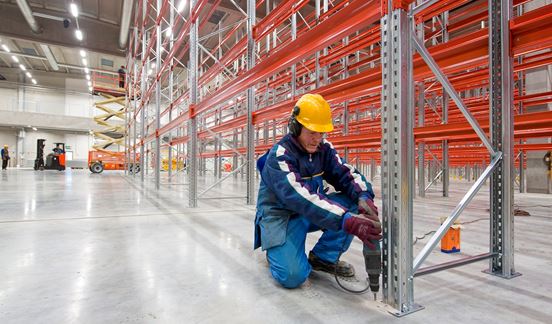
Certified installation and precision alignment carried out by DEXION RACKING site engineers
Sustainable Logistics
Sustainable Storage Solutions for Green Automotive Facilities
Modern automotive brands are committed to net-zero manufacturing. DEXION RACKING supports this transition by utilizing highly optimized cold-formed steel sections that minimize raw material consumption while increasing permissible working loads. Our modular systems are engineered for infinite reconfiguration, enabling automotive plants to adapt existing steel infrastructure across vehicle generational shifts instead of scrapping and purchasing new equipment.
Automotive Storage FAQ for Plant Directors & Buyers
Direct answers from our senior warehouse engineering team to the most critical technical questions raised by global automotive buyers, procurement committees, and system integrators.
How do DEXION RACKING automotive storage solutions handle complex and irregular SKU profiles?
Automotive aftermarket distribution and OEM sub-assembly lines balance tens of thousands of fast-moving small fasteners, awkward body panels, long exhaust assemblies, and high-weight engine castings. DEXION RACKING resolves this heterogeneity through modular hybrid configurations: combining multi-tier Hi280 shelving with bespoke divider bins for small parts, wide-span cantilever systems with soft protective sleeves for body trims, and heavy-duty P90 selective beams fitted with custom wire mesh deck dividers to accommodate odd-shaped containers.
What engineering considerations are vital for EV battery module storage systems?
EV lithium-ion battery cells and completed power packs impose massive point loads, demanding strict EN 15512 beam deflection limits (often L/300 or L/400). In addition, fire mitigation standards dictate integrated in-rack fire suppression, heat insulation baffles, specialized spill containment trays, and fail-safe seismic anchoring to prevent mechanical cell puncture in high-risk zones. DEXION RACKING engineers provide dedicated calculations to satisfy both structural load requirements and insurance compliance.
Can DEXION RACKING automotive racking integrate directly with AGVs, AMRs, and automated cranes?
Yes. Our structural framing is produced to sub-millimeter tolerances conforming to EN 15620 classes. We provide certified pickup and delivery stations, guide rail options, and optical retro-reflective targets designed specifically for AGVs, autonomous mobile robots (AMRs), and AS/RS automated stacker cranes, guaranteeing smooth robotic handshakes.
How does specialized tire racking eliminate deformation and enhance pick density?
Conventional flat pallet racking leads to tire pinching, bead distortion, and wasted cube volume. DEXION RACKING tire storage systems employ precision stepped-beam geometries and angled horizontal structural members that support tires by their tread edges rather than sidewall apexes, fully preserving casing geometry over long seasonal cycles while optimizing cubic density by up to 50%.
What standards do DEXION RACKING systems meet for automotive supplier compliance audits?
All DEXION RACKING systems are engineered to conform with EN 15512 (structural steel design), EN 15620 (tolerances, deformations, and clearances), EN 15635 (operational inspection), and international seismic criteria. Full steel mill test certificates, CE conformity documentation, and load capacity verification plates accompany every automotive installation.
 Heavy Duty