High Load Upright
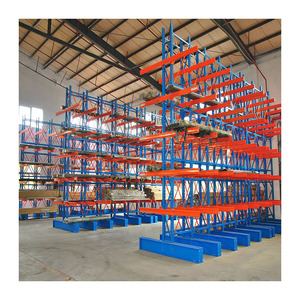
Precision-engineered, heavy-gauge steel racking platforms designed to withstand severe point-load impacts, dense SKU configurations, and high-dynamic warehouse environments.
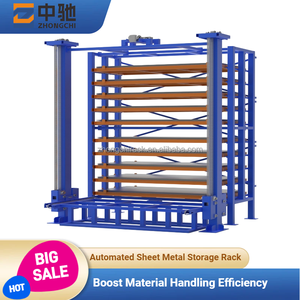
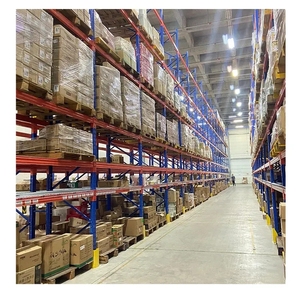
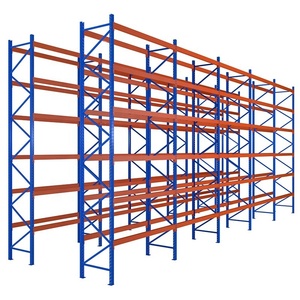
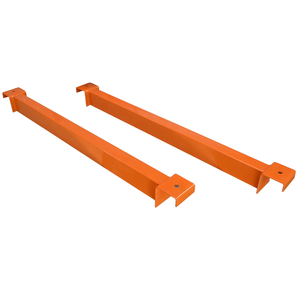
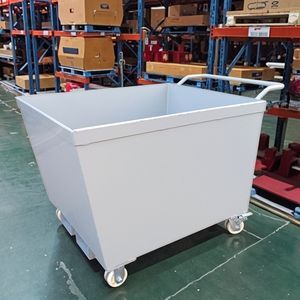
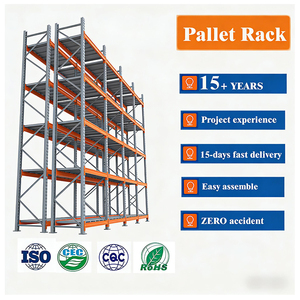
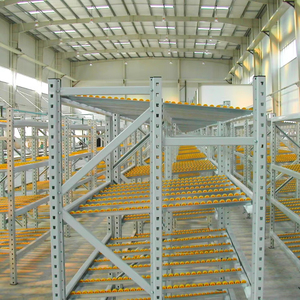
Choosing the right heavy-duty structural steel racking requires balancing upfront fabrication capital against operational lifecycle impacts, forklift collisions, and severe seismic stresses.
In global supply chain hubs, distribution managers frequently confront a pivotal structural choice: roll-formed light-gauge steel (typically conformant to cold-formed specifications like EN 15512 or RMI MH16.1) versus heavy structural channel steel manufactured from hot-rolled C-channels and I-beams (ASTM A36, Q235B, or Q355B structural grades).
Structural channel pallet rack systems feature solid, thick flanges and heavy-duty structural channel beams that provide extraordinary resistance to horizontal impact collisions by Class II and Class IV counterbalance lift-trucks. In fast-paced multi-turnover fulfillment centers, cold-storage warehouses operating down to -30°C, and harsh coastal logistics yards, hot-rolled channel uprights mitigate catastrophic progressive collapse hazards by safely deflecting impact energies that would severely buckle conventional cold-rolled profiles.
| Engineering Attribute | Cold Roll-Formed Steel | Hot-Rolled Structural Steel |
|---|---|---|
| Material Standard | EN 10025 / Q235 Cold Rolled | ASTM A36 / Q355B Hot-Rolled Channel |
| Impact Deflection Limit | Susceptible to torsional buckling | Solid thick flanges absorb high impacts |
| Connection Method | Drop-in teardrop / hook pins | Grade 8 / 8.8 Structural Bolted Joints |
| Sub-Zero Fragility | Moderate ductile-brittle risks | Superior yield ductility in cold storage |
| Damage Repair Mode | Requires full frame splice replacement | Bolted modular structural replacement |
| Lifecycle Durability | 7–10 Years (Medium collision sites) | 20–30+ Years (Heavy industrial logistics) |
Global procurement teams in North America, Europe, Australia, and the Middle East are shifting away from generic commodity pricing toward holistic lifecycle resiliency, regulatory traceability, and deep automation readiness.
Procurement teams no longer treat static pallet racks as isolated structures. Heavy-duty structural frameworks are now pre-engineered with precise deflection tolerances (L/500 to L/1000) to host automated crane guide rails, robotic shuttle rails, busbars, and pallet sensor arrays without post-installation field drilling.
Top international buyers require complete chemical composition testing, Charpy V-Notch impact testing at low temperatures, and full mill traceability (ISO 9001/CE/AISC) before steel coils leave the yard. Calculations must adhere strictly to local seismic zoning (IBC 2024, Eurocode 3/8, AS 4084).
With massive expansions in cold chain food processing and coastal multi-modal logistics, buyers are requiring hot-dip galvanization (HDG) conforming to ASTM A123 or continuous pre-galvanized coating layers (>275g/m²) combined with thermoset polyester electrostatic powder coating to prevent catastrophic joint oxidation.
While cold roll-formed uprights offer lower FOB costs per metric ton, repeated forklift tine impacts cause costly structural failure, beam deflection, and facility downtime. Tier-1 enterprise buyers evaluate structural steel systems on a 20-year amortized TCO, where bolted structural frames drastically lower maintenance, bay-lockout, and replacement costs.
The manufacturing sector for heavy industrial storage racks is undergoing an aggressive technological overhaul in engineering design, robotic welding, and automated surface treatment.
Advanced Finite Element Analysis (FEA) Simulation: Standard static load calculations have given way to dynamic 3D modal FEA simulations. Modern engineering setups simulate non-linear soil-structure interaction, seismic wave resonance, and eccentric pallet loadings to optimize beam profile geometries. This reduces deadweight steel mass while ensuring structural integrity in earthquake-prone zones.
Multi-Axis Robotic Cold-Saw Cutting & Beam Welding: Manual welding on heavy upright baseplates and box-beam end-connectors has been replaced by high-precision six-axis robotic welding cells. Continuous gas-shielded arc welding ensures complete penetration without slag inclusions, cold laps, or pinholes, providing unmatched weld fatigue strength under continuous cyclic loads.
Digital Structural Health Monitoring (SHM): Smart racking frameworks incorporate wireless acoustic-emission sensors, bolt-tension indicators, and tri-axial tilt accelerometers along main structural uprights. Operations teams can track structural deflection thresholds and log impact incidents in real time via warehouse management systems (WMS) before safety hazards occur.
Originating from proven international engineering traditions, we combine rigorous Western design philosophies with high-efficiency Asian manufacturing scale, offering complete end-to-end reliability for complex warehouse builds.
From initial site analysis and CAD spatial modeling to structural engineering under EN 15512, RMI, and AS 4084, our engineers optimize every bay to your load profile and clear building height.
Every batch of raw structural steel utilizes premium certified Q235B and Q355B profiles from premier mills, accompanied by full chemical and mechanical inspection documentation.
We supply turnkey mechanical framing packages, precise dimensional tolerances, and engineering data packages for global ASRS automation contractors and warehouse retrofit programs.
Custom-engineered steel framing crates, automated banding, edge-protection shields, and desiccant-loaded marine packaging preserve structural integrity across transatlantic journeys.
Expand capacity by up to 20% to 80% without acquiring new real estate. We re-profile beam elevations, construct multi-tier structural mezzanines, and integrate flow channels.
Comprehensive installation guidelines, clear load safety placards, torque auditing templates, and third-party inspection documentation provide full compliance across the system's operational lifespan.
Clear, direct answers from structural storage engineers addressing load capacities, seismic zoning, installation, and international shipping protocols.
Connect with our senior storage structural engineers today. Receive comprehensive CAD layouts, load calculation analyses, and competitive direct manufacturer quotes for your next logistics project.
Send an Inquiry