High-Performance Industrial Pallet Racking & Storage Matrix
Direct factory supply engineered with strict cold-rolled tolerances, electrostatic powder-coating durability, and dynamic seismic safety margins for global logistics hubs.
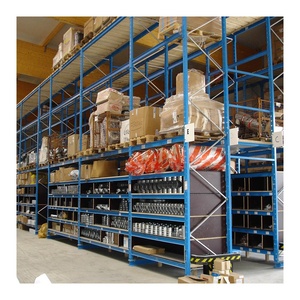
Adjustable Heavy Duty Warehouse Pallet Racking System
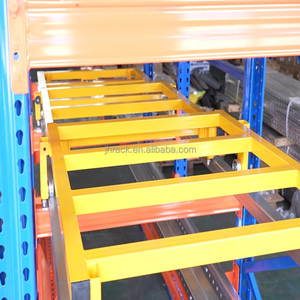
Steel Heavy Duty Mobile Push-Back Pallet Rack System
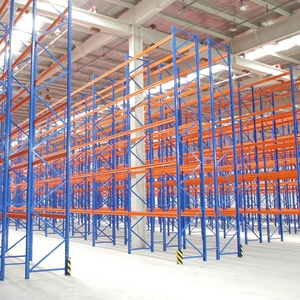
Custom Multi-Tier High-Bay Industrial Pallet Racks
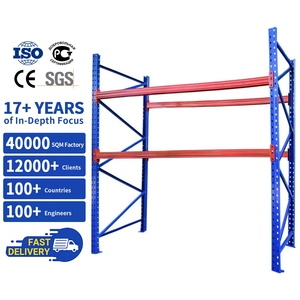
Wholesale Selective High Load Warehouse Racking
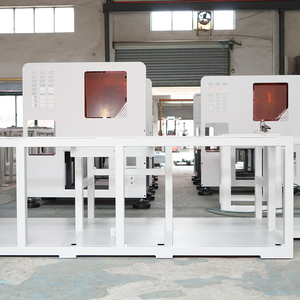
OEM Custom Sheet Metal Precision Equipment Cabinet
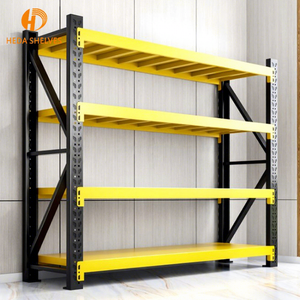
Boltless Adjustable Load-Bearing Steel Racks
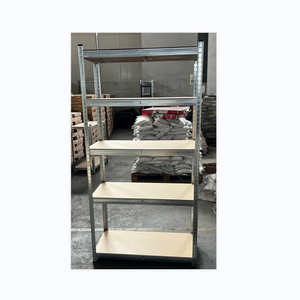
Industrial Garage Heavy Duty Metal Shelving Rack
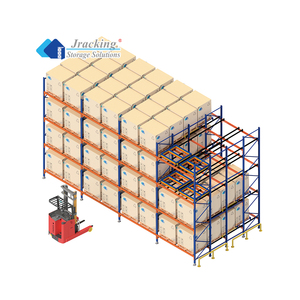
High-Volume Dynamic Loading Push Back Racks
Technical Overview: The Architectural Mechanics of Very Narrow Aisle (VNA) Systems
In modern supply chain engineering, the search for cubic efficiency has turned Very Narrow Aisle (VNA) racking into the benchmark standard for high-throughput distribution facilities. Traditional wide-aisle selective pallet setups require clearance corridors between 3.2 and 3.8 meters to facilitate standard counterbalance forklifts. In contrast, precision-engineered heavy-duty VNA racking consolidates corridor profiles down to a tight 1.5 to 1.8 meters. This structural compression converts wasted horizontal transport space directly into usable product positions, yielding an immediate 40% to 50% increase in warehouse cubic volume while retaining uninhibited, 100% individual pallet access.
Operating at vertical elevations exceeding 15 meters places immense structural demands on steel chemistry and fabrication tolerances. Unlike standard floor-loaded shelving, VNA systems operate under dynamic mechanical loads imposed by articulated man-up or man-down VNA turret trucks, swing-reach handlers, and Automated Guided Vehicles (AGVs). Vertical deflection, twist margins, and beam connection rigidity must adhere to strict international engineering protocols, including European EN 15512, FEM 10.2.02, and American RMI (Rack Manufacturers Institute) specifications.
Future Procurement Vectors: Strategic Sourcing Trends (2025–2030)
Procurement directors and 3PL infrastructure architects are moving away from treating storage racks as passive steel components. The ongoing industrial paradigm shift views racking systems as mission-critical, structural foundations for automation. Future procurement decisions are driven by three fundamental criteria:
AGV & AMR Navigational Integration
Next-generation VNA channels phase out mechanical ground rails in favor of continuous low-frequency wire guidance, inductive magnetic strips, and optical/LiDAR SLAM corridors. Factories must deliver millimeter-level precision across vertical posts to prevent sensor blinding on automated turret masts.
Ultra-High Yield Micro-Alloy Steels
Rising carbon taxes and cross-border shipping tariffs are accelerating the adoption of high-tensile hot-rolled micro-alloyed steels (such as Q355B, Q460, and automotive-grade DP cold plates). These high-strength alloys maintain structural load ratings of 3,000kg to 5,000kg per level while reducing overall deadweight, which slashes global logistics freight costs.
WMS-Linked Digital Structural Twins
Modern distribution facilities demand automated structural health monitoring. Smart load beams fitted with IoT strain gauges and RFID pallet identification arrays connect directly to WMS systems, monitoring beam deflection and alerting logistics operators to off-center loads or accidental forklift impact stress in real time.
Technological Evolution: From Static Iron to Precision-Engineered Superstructures
VNA storage manufacturing in China has progressed beyond basic cut-and-weld metal processing. Tier-one factories function as sophisticated heavy mechanical engineering plants. Upright columns are cold-roll formed through 24- to 30-pass automated continuous production lines, eliminating residual internal stresses and maintaining pitch alignment within ±0.5mm across continuous 12-meter lengths.
Modern installations incorporate high-strength interlocking hooks with 3, 4, or 5-tooth connectors featuring self-locking retention pins. Under load, these connectors experience positive gravitational wedging, which increases horizontal moment resistance as pallet weight climbs. Finishing technologies have transitioned to multi-stage closed-circuit silane pre-treatment washes followed by dense, impact-resistant electrostatic powder coatings. This protective finish resists scratching from high-speed pallet maneuvers and maintains structural integrity in extreme cold-chain operations down to -30°C.
Why Tier-1 Global EPCs & 3PLs Partner With Us
Decades of manufacturing expertise, comprehensive international certifications, and strict quality control guarantee your storage projects perform safely and predictably.
Certified Structural Compliance
Every beam-to-column locking connection, anchor baseplate, and bracing portal undergoes rigorous finite element structural calculation (FEA) compliant with EN 15512, AS4084-2012, and FEM guidelines.
In-House CAD, BIM & Layout Engineering
We supply international buyers and systems integrators with complete CAD building integration data, BIM models, and comprehensive static and dynamic safety clearance calculations.
Comprehensive Lifecycle Support
From initial site analysis and customized floor flatness assessments (DIN 18202 / VDMA guidelines) to supervised installation and EN 15635 safety inspections, we support your operations worldwide.
Controlled Prime Steel Sourcing
We source prime, certified structural steel directly from top-tier national steel groups. Complete mill test certificates (MTC) and non-destructive weld testing provide full batch traceability.
Frequently Asked Questions on VNA Engineering & Sourcing
Clear, practical technical answers to critical engineering, installation, and procurement questions asked by warehouse project managers.
What superflat floor tolerances are mandatory for safe VNA racking operation?
How do guide rail systems compare with inductive wire guidance within VNA aisles?
Can standard selective pallet racking be modified or retrofitted into a VNA layout?
What is the standard manufacturing lead time for full-scale VNA logistics projects?
How do fire safety standards and in-rack sprinkler codes apply to high-bay VNA racks?
Ready to Engineer Your High-Bay VNA Storage Facility?
Consult with our certified industrial structural team. We deliver custom layout proposals, capacity calculations, and factory-direct pricing for your warehouse project within 24 hours.
Contact Us