Industrial-Grade Heavy Duty Racking & Shelving Systems
Manufactured using high-tensile Q235B and Q355B structural steel, our heavy-duty industrial shelving and pallet racking units are optimized for heavy unit loads, high-throughput fulfillment, and seamless intralogistics integration.
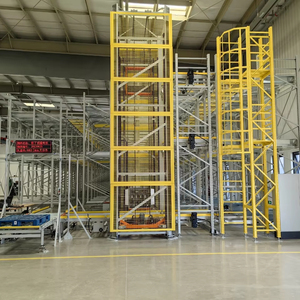
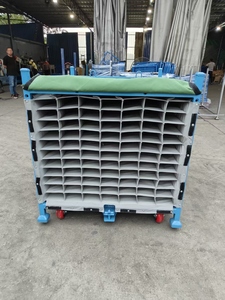
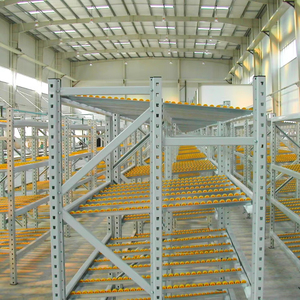
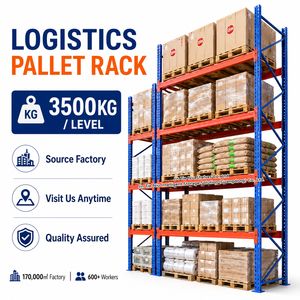
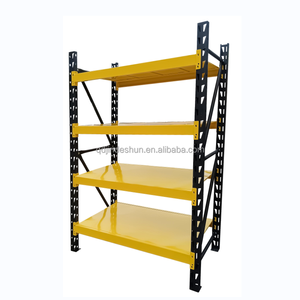
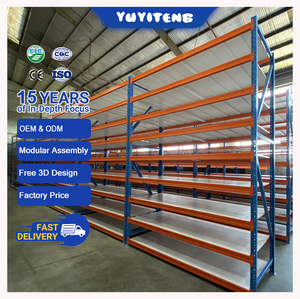
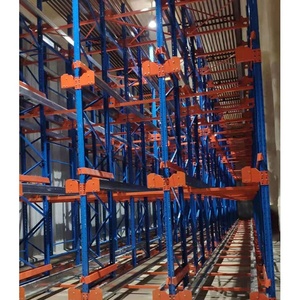
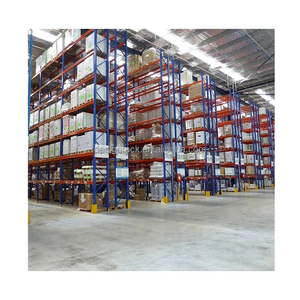
Structural Integrity Meets Scalable OEM/ODM Capability
As a global primary source manufacturer of heavy-duty industrial shelving and pallet racking systems, our production ecosystem bridges cold-formed steel metallurgical science with automated roll-forming efficiency. Whether deploying conventional 100% selective systems or engineering dense shuttle racking, structural safety under extreme dynamic live loads is paramount.
From high-bay distribution terminals spanning 30+ meters vertical clear height to specialized automotive component turnover staging, our facility provides comprehensive OEM and ODM manufacturing services: custom perforation pitch (50mm, 75mm, 76.2mm teardrop), specialized zinc galvanizing, and electrostatic powder coating formulated for harsh coastal or sub-zero environments.
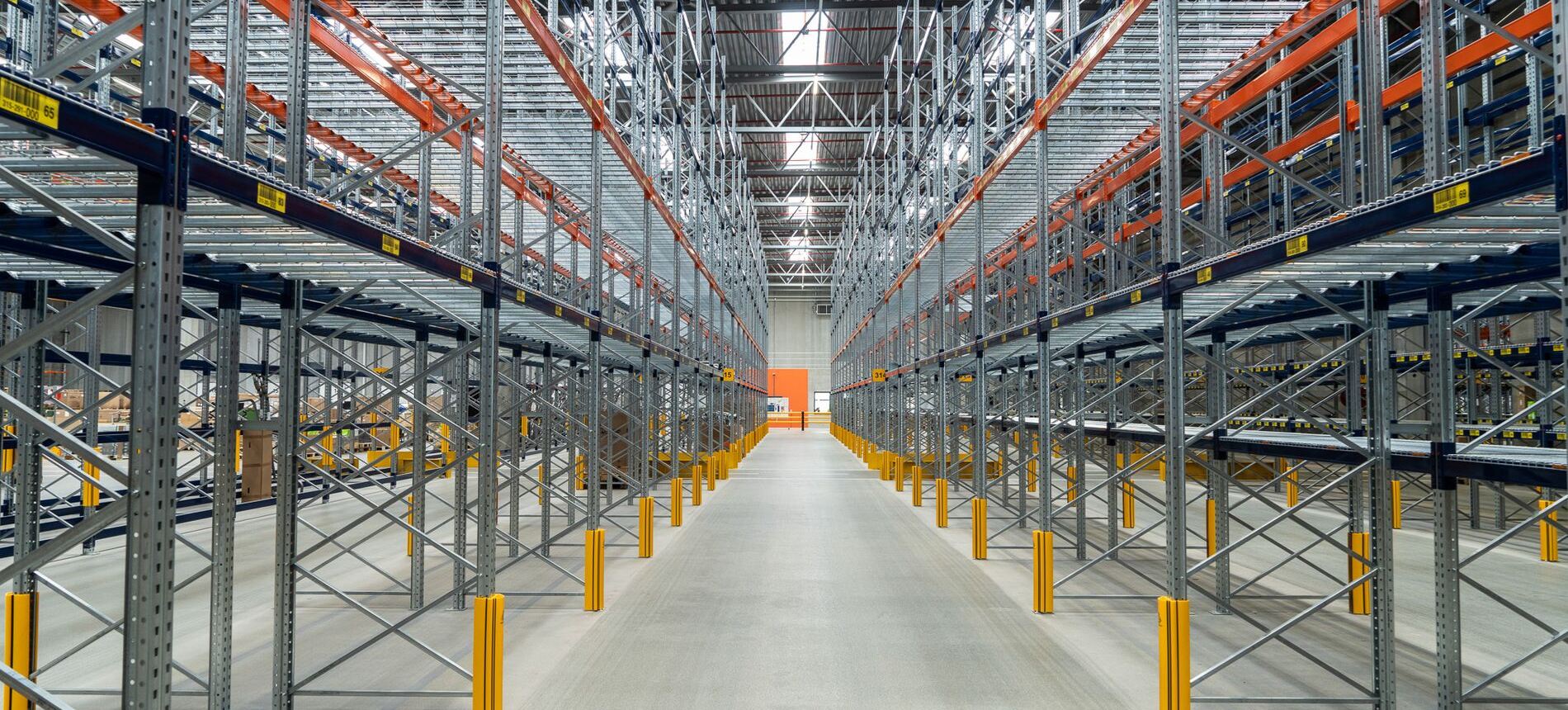
Heavy-Duty Industrial Shelving & Racking Performance Matrix
Compare structural configurations, profile geometries, and mechanical capacities to identify the optimal racking architecture for your project requirements.
| System Classification | Primary Load Range | Upright Profile (mm) | Beam Geometry | Access Selectivity | Compliance Standards |
|---|---|---|---|---|---|
| Selective Pallet Racking (P90) | 1,000 – 4,500 kg / Level | 80×60 to 140×100 (t=1.8–3.0) | Twin-C Interlocking Box Beam | 100% Direct Immediate Access | EN 15512, RMI MH16.1, AS 4084 |
| Radio Shuttle High-Density Racking | 500 – 2,000 kg / Pallet | 90×70 to 120×95 (t=2.0–3.2) | Formed Galvanized Guide Rails | High Density (FIFO or LIFO) | EN 15512, FEM 10.2.02, ISO 9001 |
| Carton Flow Dynamic Roller System | 200 – 600 kg / Shelf | 55×47 to 60×50 (t=1.5–2.0) | Multi-track Roller Tracks with Dividers | 100% First-In, First-Out (FIFO) | EN 15635, CE Machine Directive |
| Multi-Tier Heavy Longspan Shelving | 300 – 1,200 kg / Level | 55×55 to 80×60 (t=1.5–2.5) | P-Beam / Step-Beam with Steel Pan Deck | Hand-loaded multi-level picking | EN 15512, OSHA Standard 1910 |
| Automotive Parts Turnover Stacking Rack | 1,000 – 2,500 kg / Frame | Square Hollow Section (50×50–80×80) | Welded Structural Tube & Guide Cones | Modular Stackable (3 to 6 high) | AWS D1.1 Welding Standard, ISO 3834 |
Industrial Strength Built on Direct Factory Authority
From initial structural layout simulations to turnkey production and site certification, we eliminate middleman overhead and ensure zero-defect manufacturing.
Rigorous In-House Engineering & FEA Calculations
Our licensed structural engineers execute comprehensive static, seismic, and dynamic wind-load calculations tailored to your building slab dimensions, soil conditions, and municipal safety codes.
- Custom CAD floor plans & 3D BIM integration
- Finite Element Analysis for extreme seismic zones
- Verified beam deflection ratios (L/200 down to L/350)
Prime Certified Steel & Automated Roll-Forming
We source prime mill-certified structural coil directly from certified Tier-1 steel providers, maintaining full batch traceability from raw slit coil to electrostatically coated finish.
- Continuous automated 24-station rolling mills
- Multi-stage pre-treatment, nano-ceramic cleaning
- Corrosion-resistant epoxy-polyester thermoset cure
Lifecycle Partnership: Inspection to Retrofit
Our commitment extends far beyond container loading. We provide comprehensive installation manuals, third-party field supervisor dispatches, and EN 15635 rack inspection compliance documentation.
- Professional installation oversight & alignment
- Modular retrofits for operational live warehouses
- Lifetime availability of replacement beams & uprights
Warehouse Storage Evolution: Strategic Procurement & Tech Trends
How automation, warehouse real estate economics, ESG compliance, and robotics are fundamentally reshaping heavy-duty industrial shelving requirements through 2030.
1. AMR & Shuttle Hybrid High-Bay Structures
Traditional static industrial shelving is rapidly giving way to hybrid automated storage. Procurement directors are specifying racking systems engineered with ultra-tight tolerance floor tracks for autonomous mobile robots (AMRs) and autonomous shuttle rovers. Racking uprights must now withstand localized vibrational dynamics, necessitating tighter connector tolerances and heavier anchor footplates capable of accommodating high-speed horizontal accelerations.
2. Vertical High-Bay Cube Optimization (18m+)
With industrial land values and warehouse leasing rates climbing steadily across North America and Western Europe, the demand for conventional low-profile 6-meter shelving has collapsed in favor of 12-to-24-meter automated clad rack structures. Industrial shelving buyers are shifting focus from simple cost-per-bay to total volumetric cost-per-pallet position, demanding thinner, higher-yield Q355B cold-rolled profiles that maximize usable cube volume without expanding building footprints.
3. Cold Storage Optimization & Mobile Densification
Refrigerated and pharmaceutical cold-chain facilities represent the highest operational power consumption in warehousing. Procurement strategies increasingly mandate mobile pallet racking (MOVO systems) and deep-lane shuttle racks, reducing required chilled air volume by up to 50%. The metallurgic specification for steel operated at -25°C to -30°C requires rigorous Charpy V-notch impact toughness testing to avoid low-temperature brittle steel failure.
4. Green Logistics & Carbon Footprint Tracking
Tier-1 enterprise buyers and 3PL conglomerates are requiring Environmental Product Declarations (EPDs) for structural warehouse racking. Steel recycling ratios, VOC-free powder coating chemistries, and regionalized supply chain routing are directly evaluated during public procurement tenders. Re-profiling existing uprights and executing warehouse retrofits instead of total demolition represents a dominant sustainability initiative.
5. Strict Performance-Based Seismic Modeling
Global building codes (such as Eurocode 8, ASCE 7, and IBC) now enforce strict dynamic displacement limitations on industrial racking located in seismic risk zones. Modern procurement criteria require manufacturers to provide certified non-linear pushover analysis and full structural calculations demonstrating ductilities that protect both human personnel and stored palletized inventory during structural base excitation events.
6. Sensorized Structural Health Monitoring
The emergence of smart warehouses is driving demand for impact-sensing telemetry mounted directly onto rack end-frame protectors. These IoT nodes record forklift impact magnitude, transmitting instant alerts to the warehouse management system (WMS) to prevent catastrophic rack collapse. Manufacturing runs are increasingly engineered with dedicated sensor attachment points and modular quick-swap upright inserts.
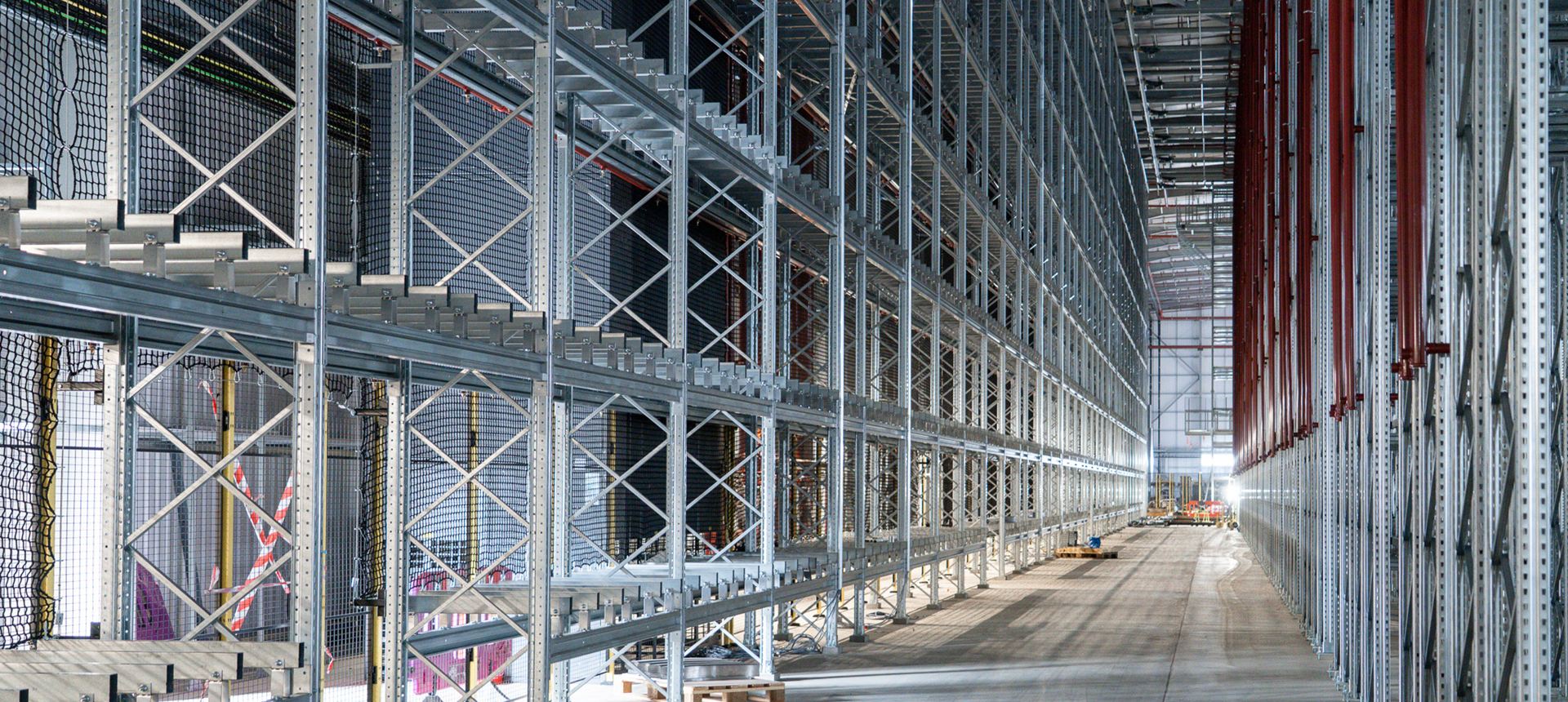
Frequently Asked Questions for Industrial Shelving & Racking
Direct technical answers from senior storage structural engineers addressing load capacity, deflections, installation safety, and factory lead times.