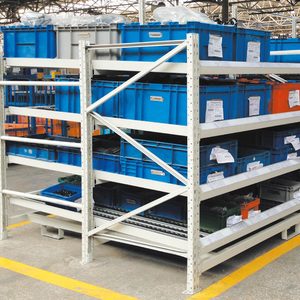
Precision Engineered Inventory Systems
Industrial Warehouse & High-Density Racking Solutions
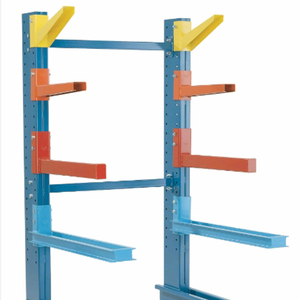
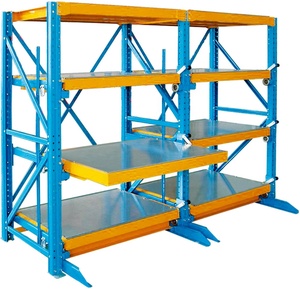
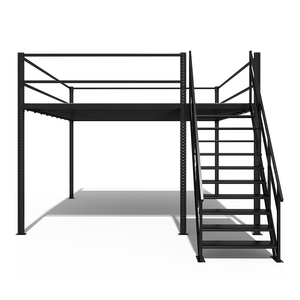
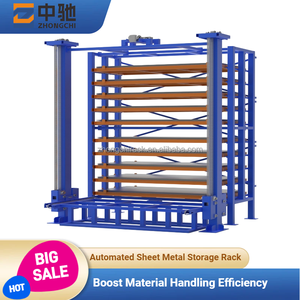
From heavy automotive tire racking modules to automated 4-way shuttle runners and multi-tier mezzanines, explore engineered structural systems designed to maximize vertical cubic volume and improve SKU retrieval cycle rates.
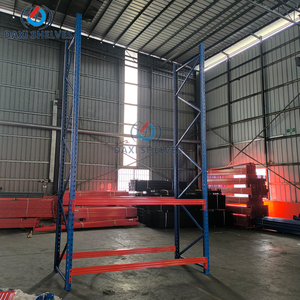
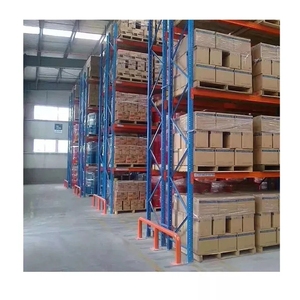
EN 15512& FEM
Fully compliant with European structural and seismic design codes for static steel racking.
+35%Density
Increase in volumetric footprint utilization over conventional cantilever tire racks.
5,000kg/Bay
Heavy duty certified load profiles accommodating PCR, TBR, and OTR heavy tire sets.
100%Traceable
Certified high-tensile Q235B / Q355B structural steel certified for cross-border export.
Industrial Whitepaper · Technical Architecture
Heavy Duty Tire Storage Engineering: The Definitive OEM/ODM Guide
Tire inventory logistics present unique engineering challenges: non-uniform weight distribution, tread bead deformation risks, elastomeric chemical degradation, and high fire-load classification. Here is how modern structural design resolves critical warehouse bottlenecks.
Optimized Barrel & Tread Resting Profiles
Unlike standard flat pallets, tires stored vertically (on-tread) require specialized angled step beams or dual-tube profile saddles. This geometry prevents localized point loading on rubber beads, eliminating deformation and ensuring compliance with strict OEM warranty standards during extended resting phases.
Seismic Resistance & European Structural Safety
Every system exported complies with EN 15512:2020 and RMI safety codes. High-yield uprights are rolled from Q355B high-tensile steel cold profiles, supported by computer-simulated bracing patterns to handle heavy, dynamic seismic shear loads without structural buckle.
Complete Turnkey Lifecycle Value
From early concept feasibility studies, 3D parametric CAD modeling, and FEA finite element structural verification to automated powder coating and overseas installation supervision, we remove supply chain volatility for tier-1 distributors, 3PLs, and global tire manufacturers.
| Engineering Parameter | Passenger Car Radial (PCR) | Truck, Bus & Radial (TBR) | Off-the-Road (OTR) / Agricultural |
|---|---|---|---|
| Load Requirement per Level | 800 kg – 1,500 kg | 2,000 kg – 3,500 kg | 4,000 kg – 6,500+ kg |
| Standard Racking Typology | Multi-Tier Shelving / Selective | Heavy-Duty Adjustable Beam | Heavy Cantilever / Cradle Modules |
| Storage Orientation | Vertical Tread-Resting / Stacking | Vertical Dual-Tube Saddle | Horizontal Flat Stacking / Specialized Mandrel |
| Surface Protection | Electrostatic Epoxy-Polyester 70μm | Heavy Powder Coat + Zinc Galvanizing | Hot-Dip Galvanized / Industrial Epoxy |
| Handling Compatibility | Man-Up Order Picker / VNA Reach | Counterbalanced Forklift / Clamp Truck | Heavy Telescopic Boom / Specialized Crane |
Market Foresight & Procurement Strategy
Future Procurement Trends in Industrial Tire Logistics (2025–2030)
Global supply chain disruptions and escalating warehouse real estate overhead are reshaping how procurement directors source heavy storage hardware. Five distinct macroeconomic and operational shifts dominate future bidding specifications.
1. Automation-Ready Hybrid Infrastructure
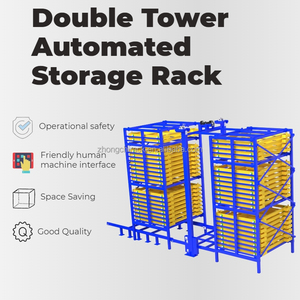
Procurement teams are shifting away from static, single-purpose tire racks toward modular platforms adaptable to Autonomous Mobile Robots (AMRs) and automated 4-way shuttles. Designing standard beam clearances today protects investments when automation retrofits occur tomorrow.
2. In-Rack ESFR Fire Suppression Integration
Tires are classified as high-hazard combustible commodities by NFPA 13 regulations. Next-generation tire racking mandates integrated flue-space design and structural pipe brackets for early-suppression fast-response (ESFR) in-rack sprinkler nozzles directly above tire runs.
3. Low-Carbon Steel & EPD Certification
European and North American infrastructure projects now demand verified Environmental Product Declarations (EPD). Our production facilities leverage recycled scrap in electric arc furnaces (EAF) and closed-loop non-VOC powder coating to drastically diminish embodied carbon per pallet position.
Procurement Clarification & Technical Assurance
Frequently Asked Questions for Tire Racking Procurement
Clear engineering insights to guide global logistics contractors, automotive OEMs, and project managers through structural specifications.
How does customized tire racking prevent tread and bead deformation?
Conventional flat decking causes heavy tires to rest on a concentrated tangential line, leading to casing memory distortion and bead stretching. Our OEM tire systems feature dual round tube beams or chamfered step profiles engineered to distribute tire weight across two curved contact lines, maintaining tire concentricity during long-term storage.
What documentation is provided for international building code approvals?
We supply complete engineering calculation packages certified to EN 15512, ANSI MH16.1, or AS4084 standards. This includes static analysis reports, seismic engineering calculations, slab punch shear verification, steel mill material certificates (3.1 chemical & physical tests), and architectural layout CAD drawings for local permit clearance.
Can you accommodate mixed inventory (PCR, SUV, TBR) on the same racking run?
Yes. Using an engineered boltless connector pin pattern with a 50mm or 75mm pitch, beam elevations can be reconfigured rapidly without welding or specialized tools. Multi-tier installations frequently dedicate lower levels to heavy truck tires and elevated mezzanine tiers to light passenger tires.
What is the typical production lead time and export sea packaging protocol?
Standard production cycles are 20 to 35 days depending on tonnage. All uprights and beams are bundled with steel strapping, corrugated corner protection, and high-strength plastic shrink wrap. Palletized components feature steel dunnage feet for easy unloading with standard forklifts at destination ports worldwide.
Plan Your High-Density Tire Logistics Facility
Submit your warehouse floor plans, ceiling clearance parameters, and SKU velocity profiles. Our structural logistics engineers will deliver complete 3D layout simulations and a competitive direct-manufacturer quote within 24 hours.