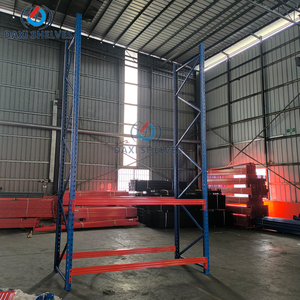
Intelligent Automation
Every system is simulated against static dynamic calculations, finite element analysis (FEA), and building seismic thresholds to provide scalable intralogistics efficiency.
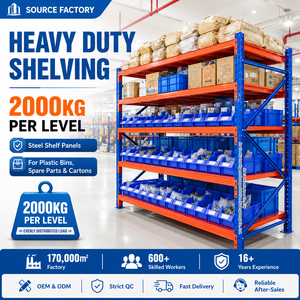
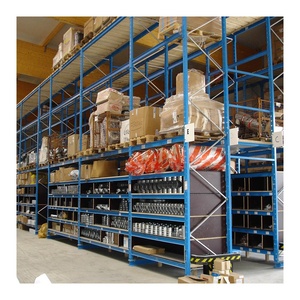
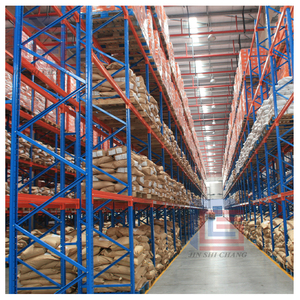
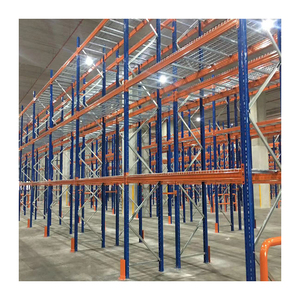
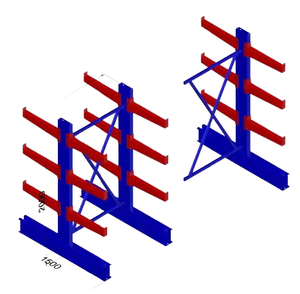
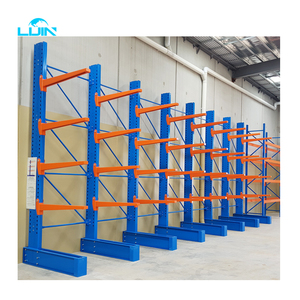
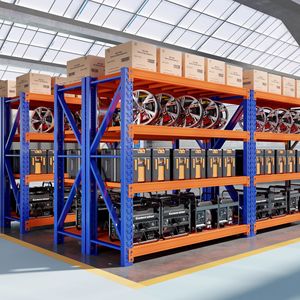
Integrating European standard mechanical engineering with cost-effective, high-throughput Chinese steel fabrication infrastructure.
Utilizing high-tensile certified structural carbon steel (grades Q235B, Q355B equivalent to S235JR and S355JR). Each production batch comes complete with Mill Test Certificates (MTC) following strict chemical and mechanical analysis, ensuring high yield strength without brittle fractures under seismic or thermal extremes.
Our upright sections, box beams, and beam-end connectors are engineered and verified according to finite element limit-state design principles. Connection stiffness, beam rotation limits, and upright perforation profiles are rigorously tested to ensure minimum deflections and maximum load-to-weight structural performance.
Operating multi-stand progressive roll-forming production lines with automatic CNC-guided inline punching systems. Hole pitch accuracy is maintained within ±0.1mm tolerances across full 12-meter upright lengths, providing modular adjustability on 50mm or 75mm pitches for rapid on-site assembly.
All members receive multi-stage zinc phosphate pre-treatment followed by thermosetting polyester epoxy powder coating cured at 200°C (minimum 60-80 micron thickness). For deep-freeze cold storage or outdoor cantilever racking, hot-dip galvanized options (ASTM A123) deliver lifetime corrosion barrier protection.
We work directly alongside global materials handling equipment (MHE) OEMs and automated intralogistics contractors. We supply complete 3D BIM/CAD structural models, floor slab load distributions, anchor shear calculations, and deflection envelopes compatible with stacker cranes and 4-way pallet shuttles.
From initial site survey and dynamic pallet layout simulation to certified international shipping logistics, overseas installation supervision, and periodic EN 15635 compliance inspections, our engineering team ensures that your warehouse structure maintains its design safety margins over decades of intense logistics cycles.
Global supply chains are transitioning from static storage sheds to high-density, automated, climate-resilient fulfillment hubs. Procurement teams must anticipate the following mechanical and macroeconomic shifts.
Traditional selective racking with 3.5-meter aisles is being substituted by shuttle-based high-density platforms. Racking designs now require rail tolerances under ±1.5mm, integrated sensor brackets, and structural framing engineered for continuous dynamic braking cycles of autonomous mobile runners.
Sophisticated international buyers evaluate racking procurement on cost-per-pallet-position per annum over a 15-year lifecycle. High-durability coatings, modular upright profiles that simplify beam reconfiguration, and impact-resilient base column guards avoid costly unscheduled downtime and structural retrofit interventions.
With Scope 3 emissions reporting becoming mandatory in North America and the EU, structural rack fabricators are moving to scrap-based Electric Arc Furnace (EAF) steel production, reducing the embodied carbon footprint per metric ton of cold-formed uprights by upwards of 40% compared to blast-furnace routes.
Booming cold storage logistics require steel grades tested for low-temperature Charpy V-notch impact toughness at -30°C to prevent brittle shear failure. Simultaneously, dynamic nonlinear push-over calculations ensure stability across high-hazard seismic zones (Zones 3 and 4) worldwide.
Authoritative technical guidance compiled by senior intralogistics structural engineers to assist commercial buyers and warehouse directors.
Consult with our qualified structural and intralogistics engineers today for comprehensive CAD warehouse layout optimization, load calculation certificates, and competitive direct factory export quotes.
Inquire Now