High-Performance Pallet Racking Systems for Demanding Logistics
Engineered to international structural standards including EN 15512, FEM 10.2.02, and RMI, our multi-level pallet storage systems deliver proven load stability, corrosion resistance, and operational safety for automated and manual warehouses alike.
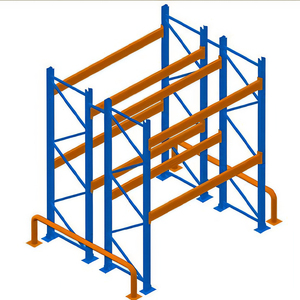
Epoxy Powder Coated Heavy Duty Metal Pallet Racking Custom Industrial Storage Rack
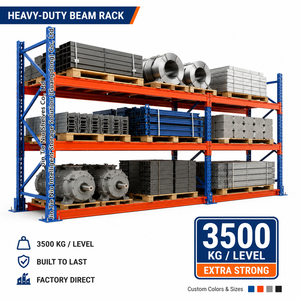
3500kg Extra Strong Industrial Steel Coil Motor Storage Beam Pallet Warehouse Rack
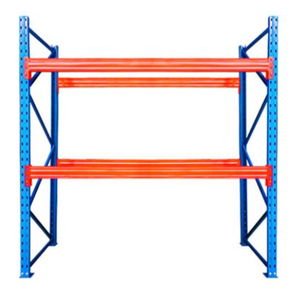
Pallet Racking System Warehouse Shelves Heavy Duty Picking Shelves Rack
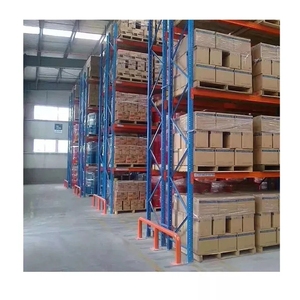
Heavy Duty Adjustable Metal Shelves Racking System Stacking Pallet Metal Racking
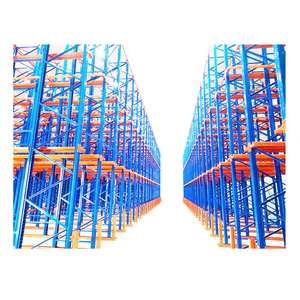
High Quality Heavy Duty Push Back Racking Cold Rolled Steel Selective Pallet Rack
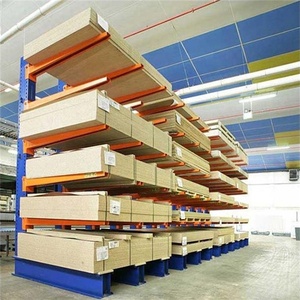
Heavy Duty Industrial Warehouse Storage Cantilever Arm Racking System
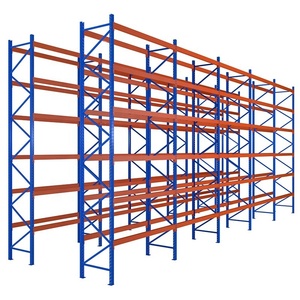
Heavy Duty Metal Storage Pallet Rack Industrial Shelving Warehouse Rack
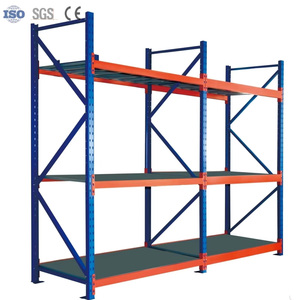
Heavy-Duty 2000KGS Large Capacity Warehouse Pallet Storage Shelving Unit
Enterprise Advantages Built on Rigid Structural Governance
As premier original equipment manufacturers (OEM) and structural racking suppliers, we bridge theoretical engineering calculations with heavy-gauge industrial fabrication to provide turnkey infrastructure that withstands intensive 24/7 cycles.
All cold-formed uprights and connector clips adhere strictly to limit-state design standards under European & RMI codes.
Our advanced beam profiling and narrow-aisle (VNA) system configurations recover unused volumetric headspace.
Direct structural coil sourcing with EN 10204 3.1 mill test certificates tracking yield strength and elongation.
From seismic 3D layout simulation to on-site assembly, load certification, and regular EN 15635 inspections.
Finite Element Structural Calculation & Seismic Deflection Limits
The safety factor in industrial pallet storage isn't merely determined by steel gauge; it depends on the interactive mechanics of the upright-to-beam connection, baseplate anchor embedment depth, and local buckling phenomena under maximum beam deflection (limited strictly to L/200 or L/300 according to client SLA).
Our engineering division models every warehouse project inside proprietary 3D CAD/FEA simulation environments. By factoring in live operational dynamics—such as forklift mast vibrations, horizontal placement loads (0.5% to 1.5% of total rated rack capacity), dynamic seismic ground acceleration, and floor slab settlement differentials—we eliminate progressive collapse vulnerabilities before metal enters the automated roll-forming line.
- Upright Profile Engineering: Cold-rolled multi-rib profiles with 12+ bending planes for superior torsional rigidity under asymmetrical multi-level loading.
- Interlocking Connector Clips: 4-claw to 5-claw high-strength forged connectors engineered to prevent beam dislodgement under accidental upward impacts.
- Surface Pre-Treatment: Multi-stage iron phosphating followed by thermosetting polyester powder electrostatic curing at 200°C for superior corrosion resistance.
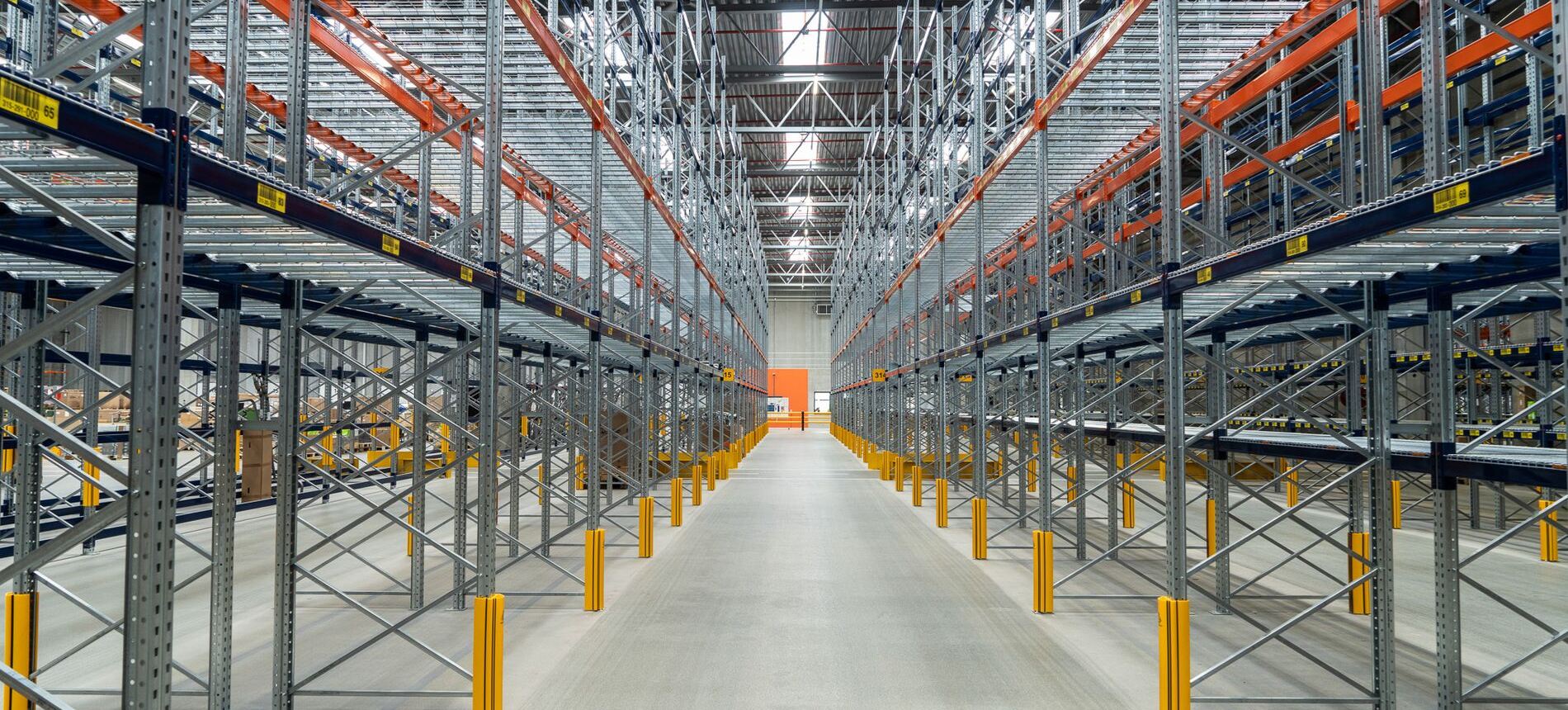
Dynamic Mobile Racking (MOVO) & High-Density Space Recovery
Warehouse real estate expenses and sub-zero cold storage energy overheads demand the highest cubic volume utilization possible. Traditional selective pallet racking layouts dedicate up to 60% of overall floor footprint to static forklift access aisles. Our motorized mobile pallet racking systems (MOVO) consolidate these redundant paths into a single dynamically opened access corridor.
By mounting heavy-duty multi-tier pallet racking assemblies on electronically controlled, variable-speed motorized chassis traveling on sunken floor rails, operations unlock up to 90% additional pallet capacity across the exact same building envelope. The system operates via radio frequency remote control, push-button terminal, or direct bidirectional WMS/WCS enterprise link, allowing immediate aisle allocation for reach trucks or automated guided vehicles (AGVs).
- Sub-Zero Cold Chain Ready: Electrical, sensor, and motor components rated for extreme environments down to -30°C without condensation failure.
- Triple Optical Safety Envelopes: Dual infrared light curtain grids and emergency trip wires prevent mobile base movement if an obstacle or personnel is detected.
- Night Parking Mode: Automated equidistant aisle spacing overnight to optimize thermodynamic air circulation across perishable goods.
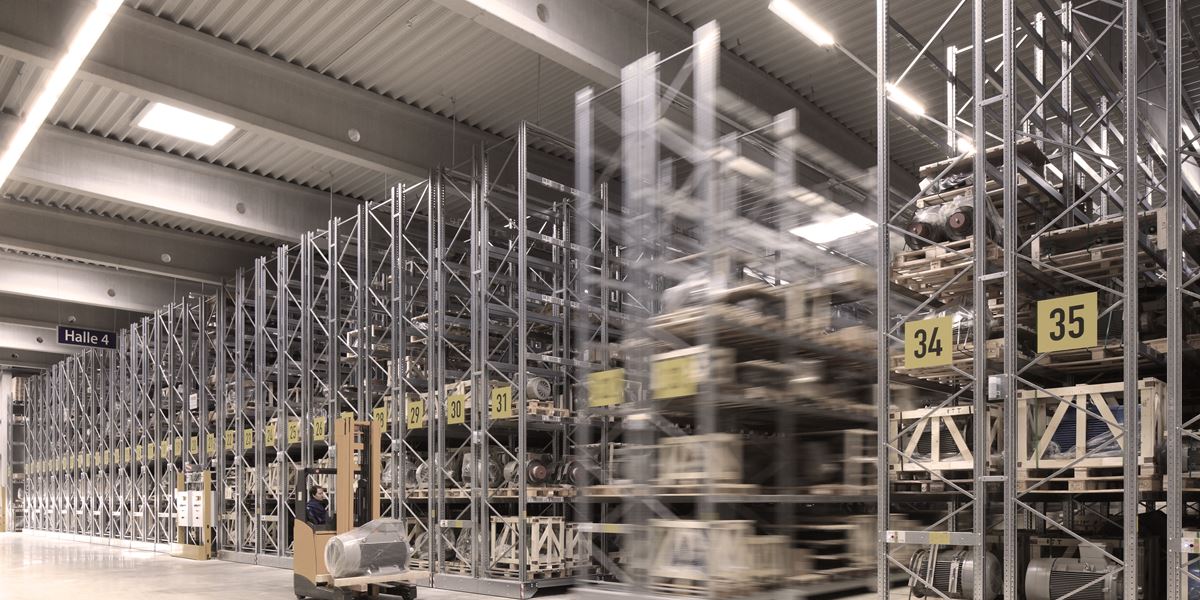
Emerging Procurement Trends & Next-Generation Racking Evolution
Logistics engineering is shifting from passive structural ironwork to smart, interconnected warehouse assets. Procurement directors and supply chain engineers must align current equipment purchases with long-term technological transformations.
1. Convergence of AS/RS & High-Tolerance Fabrication
Standard manufacturing tolerances (+/- 3mm) are insufficient for modern automated cranes and shuttle vehicles. The market is aggressively pivoting toward AS/RS high-bay racking built with micro-tolerances (+/- 0.8mm), rigid sway-braced upright towers extending beyond 35 meters, and specialized robotic guide rails to ensure continuous shuttle velocity without track derailment.
2. Total Cost of Ownership (TCO) vs. Spot Steel Pricing
Procurement teams are moving away from evaluating racking solely on price-per-kilogram of raw steel. Comprehensive TCO appraisals now incorporate freight cubic bundling efficiency, boltless speed of field erection, long-term corrosion degradation rates, seismic insurance premiums, and component interchangeability that mitigates future retrofitting expenses.
3. Decarbonized Steel & Circular Lifecycle Retrofits
Global ESG initiatives are mandating low-carbon footprint warehouse infrastructure. Leading suppliers utilize electric arc furnace (EAF) steel with recycled scrap ratios exceeding 65%. Furthermore, facilities prioritize adaptive retrofits—re-profiling beam elevations and adding structural mezzanine levels within existing perimeters rather than commissioning carbon-intensive greenfield expansions.
4. IoT Strain Sensors & Real-Time Structural Telemetry
The next frontier in racking safety integrates localized wireless strain gauges, laser deflection trackers, and ultrasonic collision sensors directly into upright base protectors. Instead of waiting for annual physical inspections, warehouse managers receive live alerts when an operational impact compromises a frame's structural load threshold.
| Racking Architecture | Floor Space Utilization | Direct Selectivity | Stock Rotation Strategy | Capital Expenditure Index | Primary Industrial Use-Case |
|---|---|---|---|---|---|
| Standard Selective Racking | 40% - 50% | 100% Direct Immediate | FIFO (First-In, First-Out) | Baseline (Low) | General Distribution, FMCG, Diverse SKU Hubs |
| Very Narrow Aisle (VNA) | 60% - 70% | 100% Direct Immediate | FIFO (First-In, First-Out) | Medium | High-Ceiling E-commerce & Pharmaceutical Storage |
| Drive-In / Drive-Through | 70% - 80% | Low (20% - 30%) | LIFO or FIFO (Batch) | Medium-Low | Cold Storage, Seasonal Produce, Bulk Single-SKU |
| Push-Back (Cart / Roller) | 65% - 75% | Medium (Per Lane) | LIFO (Last-In, First-Out) | Medium-High | Medium-Turnover Food & Beverage Buffer Zones |
| Mobile Pallet Racking (MOVO) | 85% - 90% | 100% (Dynamic Access) | FIFO or LIFO | High (Electromechanical) | High Land-Cost Urban Hubs & Deep Freeze Logistics |
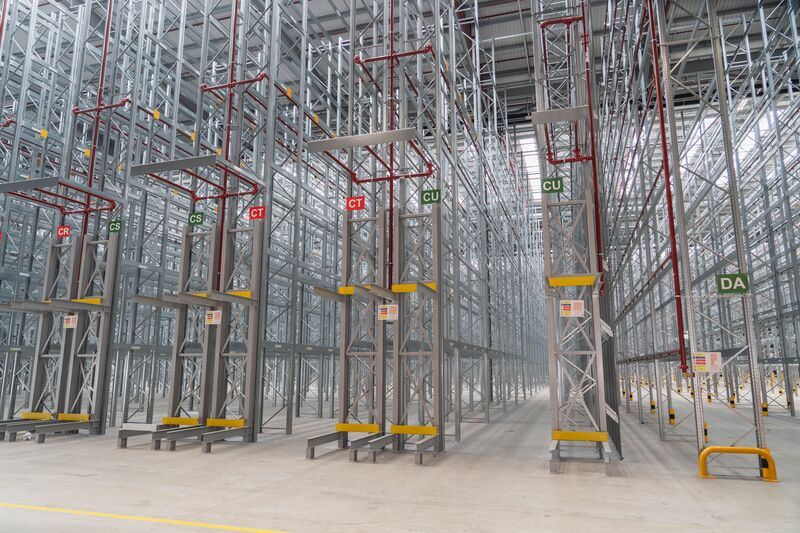
Warehouse Retrofit & Vertical Upgrades Without Facility Shutdown
Relocating to a new logistics center incurs substantial capital expenditure, zoning friction, and multi-month supply chain interruptions. Our structural modernization engineering protocol empowers clients to extract up to 30% additional storage capacity directly from their current building envelope.
By conducting on-site digital laser surveys of concrete slab capacity, existing column grids, and roof truss clearances, our field teams engineer customized retrofit packages. These include column splice extensions, heavier-gauge bottom frame upright inserts to counter increased load moments, conversion from wide aisles to narrow wire-guided corridors, and structural mezzanine floor integration for manual picking zones overhead.
Frequently Asked Questions on Heavy Duty Pallet Racking Procurement
Critical structural, compliance, and design criteria answered by our chief intralogistics structural engineers to guide global sourcing professionals.
1. How does our factory ensure structural integrity under international codes like EN 15512 and RMI? +
2. What minimum warehouse concrete slab specifications are required for heavy-duty multi-tier racks? +
3. How do we prevent progressive collapse from accidental forklift collisions? +
4. How often should pallet racking be inspected, and what are the regulatory criteria? +
5. What material grades and surface finish options are available for harsh industrial or cold environments? +
6. Can your engineering team coordinate with foreign general contractors and system integrators? +
Optimize Your Warehouse Footprint with Certified Factory Engineering
Connect with our technical design team today for comprehensive layout calculations, slab load assessments, and rapid factory-direct pricing for your multi-level storage initiative.