High Density
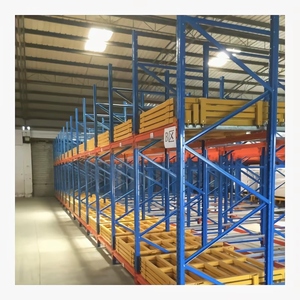
Factory-direct engineering, dynamic load testing, and modular configuration designed to satisfy the rigorous throughput demands of Serbian industrial hubs from Belgrade and Novi Sad to Niš and Kragujevac.
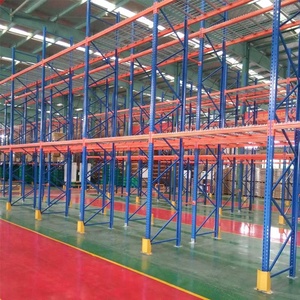
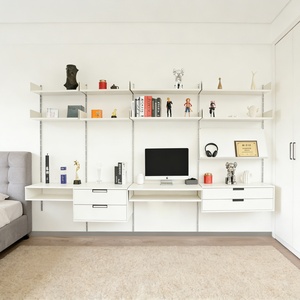
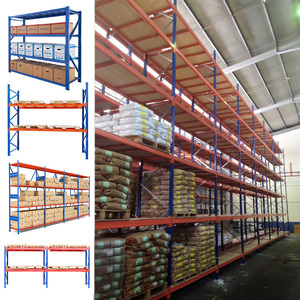
Navigating regional geotechnics, seismic codes under Eurocode 8, and intense trade lane dynamics within the Balkan transport network.
Serbia's unique geographical standing as the logistical bridge between Southeast Europe, Central Europe, and the Middle East has driven significant Class-A warehouse expansion around Belgrade (Dobanovci, Šimanovci, Stara Pazova), Novi Sad, and Niš. To withstand high mechanical stresses from continuous high-cycle operations, warehouse rack engineering cannot rely on generic load assumptions.
Our heavy-duty steel warehouse racking structures are engineered in strict compliance with EN 15512 (Steel static storage systems – Adjustable pallet racking systems – Principles for structural design) and factored against Eurocode 8 (EN 1998) for seismic resilience. In regions throughout Vojvodina and the Morava River valley, variable subsoil parameters demand meticulous floor-slab anchor design, heavy baseplate dimensioning, and cold-rolled upright profile calculation to prevent local buckling and ensure absolute structural safety under dynamic forklift impacts.
| Storage Topology | Pallet Selectivity | Footprint Utilization | Target Serbian Industry |
|---|---|---|---|
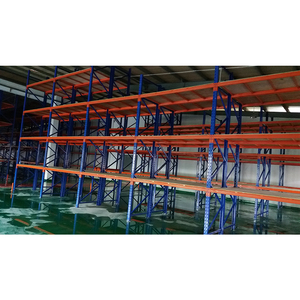
| Selective Racking (P90) | 100% Direct Access | 40% – 50% Baseline | 3PL Distribution, FMCG, Belgrade Logistics Centers |
| Drive-In / Push-Back | LIFO Dynamic (20-30%) | Up to 75% High-Density | Cold Storage (Agribusiness, Frozen Berry Cold Stores) |
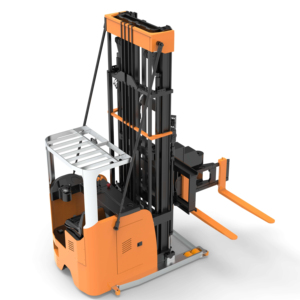
| VNA + 3-Way Stacker | 100% Rapid Access | 60% – 70% Cube Volume | Automotive Tier-1 Suppliers (Kragujevac, Subotica) |
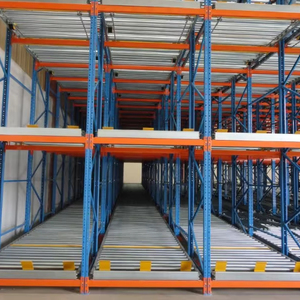
| Gravity Flow Racking | 100% FIFO Strict Rotation | Up to 80% High-Throughput | Beverage, Dairy, Pharmaceutical Hubs (Hemofarm, Galenika) |
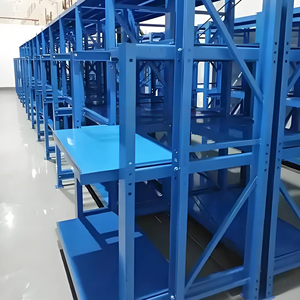
| Mezzanine Storage Floors | 100% Hand-load Access | 200% – 300% Multi-tier | Cross-Border eCommerce, Industrial Spare Parts & Garments |
Serbia's thriving automotive cluster in Kragujevac, Čačak, and Subotica requires robust mold storage systems and adjustable cantilever frameworks capable of holding heavy pressing dies, metal coils, and specialized stamping equipment with load ratings exceeding 2,000 kg per level.
Serbia is one of the world's leading exporters of frozen raspberries and agricultural produce. Maintaining thermal efficiency in high-energy sub-zero facilities (-25°C) across Šabac and Western Serbia demands Push-Back and Drive-in racking to minimize refrigerated cubic volume losses.
Belgrade's surrounding logistics rings handle high-throughput cross-docking along E-70 and E-75 corridors. Integrating Very Narrow Aisle (VNA) selective racking with lithium 3-way stacker forklifts optimizes pallet yield within existing clear ceiling heights of 10 to 14 meters.
Why warehouse operators across Serbia are shifting toward high-cube utilization, semi-automation, and modular lifecycle upgrades.
European manufacturers increasingly relocate assembly operations to Serbia's 15 active Free Zones (Slobodne Zone), such as Pirot, Subotica, and Zrenjanin. This trend requires fast-deployment, modular shelving systems that comply with EU technical criteria while enabling duty-free machinery importation under customs supervision.
With prime logistics land values rising across Dobanovci and Surčin, extending building footprints horizontally is no longer financially viable. Operators are retrofitting existing facilities with structural mezzanines and mobile racking (MOVO style), converting redundant aisle space into active revenue-generating storage.
Serbian operators face skilled labor shortages in the material handling sector. Deploying lithium-powered 3-way narrow aisle electric stackers alongside gravity flow and automated high-bay concepts significantly accelerates fulfillment cycles while reducing energy consumption by up to 30%.
From initial structural calculation and seismic finite element analysis (FEA) to certified steel roll-forming and compliant installation supervision.
Every racking project exported to Serbia includes complete engineering data packages, CAD layouts, beam deflection verifications, and certified seismic load calculation reports tailored to local building parameters.
We source traceable structural steel coils with verified yield strengths. Components receive electro-static powder coatings with pre-treatment zinc phosphating, delivering scratch-resistant, anti-corrosive finishes for harsh warehouse environments.
We do not simply ship steel containers; our engineering team assists with on-site assembly supervision, load testing sign-offs, load notice signage, and periodic annual inspection frameworks compliant with European safety norms.
Practical answers concerning Serbian customs regulations, structural compliance, seismic considerations, and delivery timelines.
Serbia is an EU candidate nation with its own customs system (Uprava Carina). Importing industrial steel racking requires standard commercial invoices, packing lists, EUR.1 movement certificates or certificates of origin (to benefit from preferential tariff rates where applicable), and Mill Test Certificates (MTC 3.1) confirming steel grades. Shelving shipments are cleared via customs terminals in Belgrade, Novi Sad, or Niš.
Yes. Serbia has harmonized its national construction codes with the European Standards under Eurocode 8 (SRPS EN 1998-1). Depending on whether your site is located in moderate-risk areas like Central Serbia or lower-risk plains in Vojvodina, our engineers calculate the seismic acceleration coefficients (ag), ground type parameters, and ductility classes, dimensioning upright footplates and bracing accordingly.
Serbian warehousing operations predominantly utilize standard Euro-pallets (800 x 1200 mm) alongside industrial pallets (1000 x 1200 mm). Our beam levels are engineered with standard clear spans of 2700 mm (for 3 Euro-pallets) or 3600 mm (for 4 Euro-pallets), with frame depths of 1100 mm to provide optimal 50 mm pallet overhangs in accordance with EN 15620 guidelines.
Yes. We provide complete technical packages including 3D assembly drawings, torque specifications for floor anchor bolts, and dual-language load capacity warning plaques (bearing maximum allowable beam and bay loads). We can deploy qualified site supervisors or coordinate with your local Serbian mechanical installation contractors.
Standard roll-formed components (uprights, box beams, footplates, safety pins) typically ship in 3 to 4 weeks from order confirmation. Direct road freight transit or multimodal container delivery to Belgrade / Novi Sad takes approximately 3 to 7 business days, enabling streamlined construction sequencing for facility developers.
Yes. A warehouse retrofit is frequently carried out in designated phases. By profiling specific storage zones, replacing damaged uprights, or converting manual aisles to VNA or multi-tier mezzanine picking zones, Serbian operators can expand capacity without halting day-to-day dispatch and cross-docking operations.