Heavy Duty
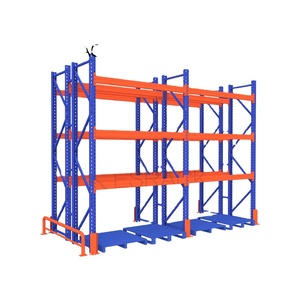
Manufactured to certified EN 15512 specifications and structural safety parameters. Engineered specifically for high SKU throughput, zero-downtime pick faces, and regional logistics compliance in the Plata basin.
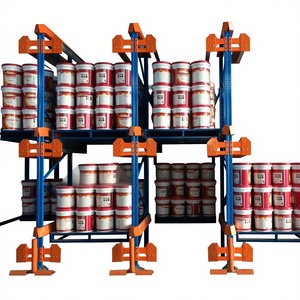
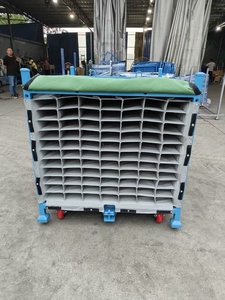
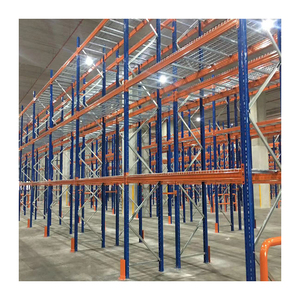
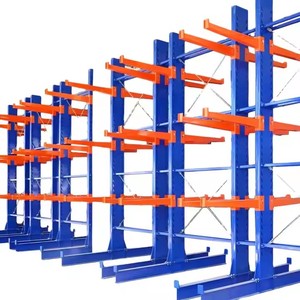
Attained when retrofitting standard selective racks with semi-automated radio shuttle runners.
Engineered to strict European limit-state standards under ultimate load and displacement constraints.
Specialized steel alloys and cold-rated electronic shuttles designed for Uruguayan beef/dairy cold hubs.
Direct import support under the Port of Montevideo Regime and Zonamerica transit logistics customs.
From the Port of Montevideo to the interior agricultural export corridors, dynamic racking systems address high square-meter costs, coastal humidity, and Mercosur cross-docking speed.
The Port of Montevideo (Puerto Libre) functions under a special legal regime where goods circulating within customs terminals enjoy exemption from import duties and domestic internal taxes. Warehouses within this terminal operate under intense real estate pressure where every vertical meter counts.
Uruguay's leading Free Trade Zones specialize in high-value cargo: pharmaceuticals, biotechnology, medical tech, and luxury distribution for Brazil and Argentina. These environments mandate pharmaceutical-grade cleanroom racking and GMP-compliant vertical storage.
Uruguay is globally celebrated for high-grade chilled beef and dairy product exports. Refrigerated warehouse operational costs are dominated by electrical refrigeration energy. Standard wide-aisle storage results in refrigerated air chilling empty transit space.
A rigorous examination of supply chain topology, infrastructure investments, and the mechanical engineering criteria governing modern intralogistics in Uruguay.
Over the last decade, Uruguay has solidified its role not merely as a domestic consumer market, but as the premier multimodal distribution springboard for the Southern Cone (encompassing the industrial centers of São Paulo, Buenos Aires, Asunción, and Santiago). The combination of the Ley de Puertos (Port Law No. 16.246) and the Ley de Zonas Francas (Free Zone Law No. 15.921) allows multinational operators to import components, palletize, re-label, perform light assembly, and re-export without incurring local fiscal drag or complex customs valuation disputes.
However, this high-throughput transfer model requires an entirely different operational paradigm than traditional static racking. In a transit hub, turnaround velocity (goods received to goods re-manifested) is measured in hours rather than weeks. Standard selective racking systems—which dedicate up to 65% of floor area solely to forklift maneuvering aisles—are financially unviable under Montevideo industrial land valuations that have surged dramatically along Route 101, Route 8, and the Camino Maldonado logistics axis.
Engineering warehouse storage racking in Uruguay introduces specific geotechnical and structural considerations. The coastal geology of Montevideo, San José, and Canelones features alluvial silts and clay formations that necessitate comprehensive slab load-bearing calculations. A fully loaded 6-tier pallet rack exerts intense concentrated point loads through baseplates to the concrete floor slab (frequently exceeding 60 to 90 kN per upright column leg).
Furthermore, coastal winds sweeping from the Rio de la Plata and the South Atlantic impose lateral shear demands on semi-open or dockside canopy structures. DEXION-engineered dynamic racks adhere to EN 15512 limit-state structural design standards, evaluating beam deflections under limit ratio L/200, upright global frame buckling, and second-order P-Delta structural effects. When deploying Automated Radio Shuttle runs, rail guide tolerances must not exceed ±1.5mm down the entire length of a 60-meter channel to prevent shuttle derailment or optical sensor blinding.
| System Classification | Density Index | Selectivity Profile | Standard Pallet Load (kg) | Optimal Uruguay Application |
|---|---|---|---|---|
| Selective Pallet Racking | Baseline (100%) | 100% Direct Access | 500 - 1,800 kg / pallet | Fast-moving FMCG, retail picking buffers, mixed-SKU distribution |
| Radio Shuttle Automation | High (180% - 210%) | Batch Selectivity (FIFO/LIFO) | 1,000 - 2,500 kg / pallet | Refrigerated beef & butter freezers, bulk customs holding in Port Free Zone |
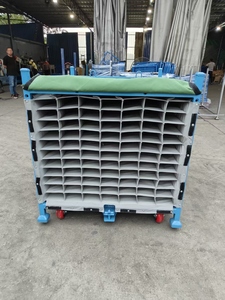
| MOVO Mobile Base Racks | Ultra-High (195%) | 100% On-Demand Access | 1,000 - 1,500 kg / pallet | Cold stores with wide SKU mix, high-value bonded storage, raw pharmaceutical ingredients |
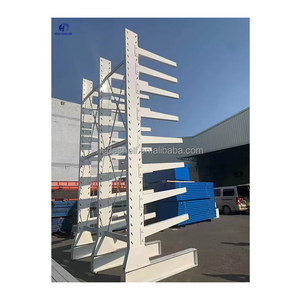
| Heavy Cantilever Systems | Medium-High (140%) | Immediate Arm Access | 500 - 6,000 kg / arm | Forestry pulp machinery pipes, steel coils, civil rebar along Route 5 logistics park |
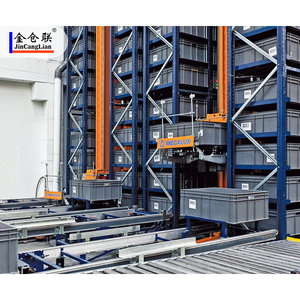
| ASRS Intelligent Pipe/Pallet | Maximum (260%) | Computer-Automated (WMS) | 1,500 - 5,000 kg / unit | Large tier-1 regional distribution centers, high-tech manufacturing, zero-operator picking |
In Uruguay’s prominent meat packing (frigoríficos) and dairy sectors (Conaprole and regional co-operatives), energy consumption represents up to 40% of overall warehousing operational expense. When warehouses utilize static drive-in racking, fork trucks must spend extended operational hours maneuvering inside the -25°C blast freezers. This leads to continuous warm air infiltration through opened rapid-roll doors, severe mast hydraulic fluid thickening, and structural impact damage to cold-embrittled steel uprights.
Implementing Automated Pallet Runner Radio Shuttles allows lift trucks to stay exclusively on the warm dock or main transfer aisle. The motorized runner navigates the internal deep channels at speeds up to 1.2 m/s, lifting, transporting, and depositing pallets with micro-millimeter precision. The thermal envelope of the cold bay remains closed and undisturbed, decreasing compressor cycle times and reducing electrical refrigeration costs by up to 28%.
Combining the heritage of European structural calculation methods with direct global factory supply chains. We protect your enterprise asset investments through complete project lifecycle stewardship.
Every racking component undergoes rigorous finite element structural calculation. We account for local dynamic soil response, building tolerances, and load safety factors up to 1.4x working limits.
We strictly utilize certified Q235B, Q355B, and EN S355 structural steel grades. Mill test certificates (MTC) and ultrasound weld evaluations are supplied with every container delivery to Montevideo.
From initial DWG layout analysis and 3D Tekla/BIM building collision detection to installation supervisor dispatch and local erection team management across all 19 Uruguayan departments.
We provide full documentation, comprehensive load plaques, and audit protocols ensuring that your facilities remain compliant with international occupational safety and insurance underwriting mandates.
Critical insights into customs regulations, import tariffs, seismic structural design, and field installation across Uruguay.