Industrial Flow & Heavy-Duty Racking Systems
Precision cold-rolled storage systems, live gravity roll beds, and multi-tier structural engineering built to satisfy high-throughput Algerian distribution centers and cold stores.
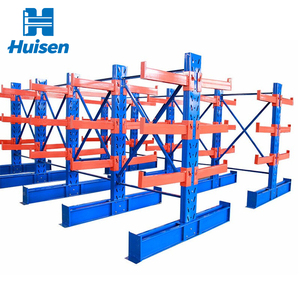
Wholesale Industrial Warehouse High Density Cantilever Rack Industrial Steel Single Double Side Cantilever Rack Shelving
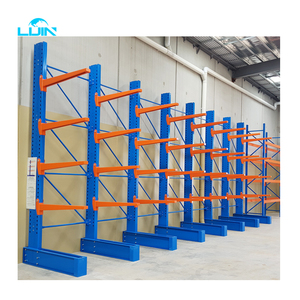
Factory Price Cantilever Rack Heavy Duty Industrial Cantilever Racking Steel Storage
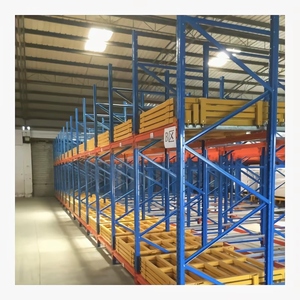
Push Back Racking Metal Pallet Racks Adjustable Push Back Rack Warehouse Storage Racks Industrial Pallet Racking
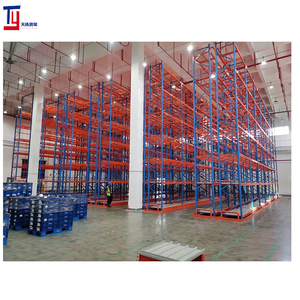
Industrial Selective Pallet Rack System | Heavy Duty High-Bay Storage Solution | CE 1-5T Customized | Free 3D Design & Project
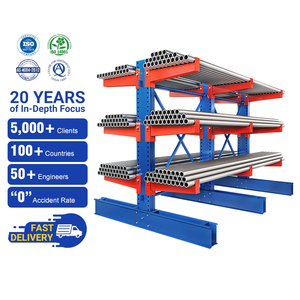
Full Cantilever Rack Heavy Duty Multi-Level Warehouse Rack Cold-Rolled Steel Powder Coated 500kg/Arm CE ISO Durable Corrosion
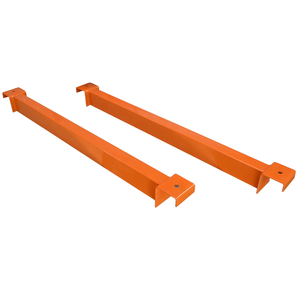
Industrial Warehouse Storage Rack Heavy Duty Pallet Support Beam Racking Steel Structure Adjustable Beam Corrosion Protection
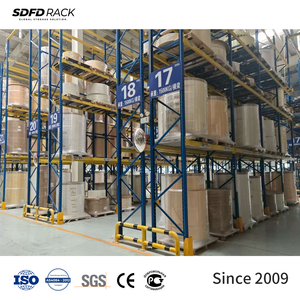
Heavy Duty Conventional Pallet Racking High Load Steel Industrial Storage Shelf Custom Multi-Layer Warehouse Pallet Rack System
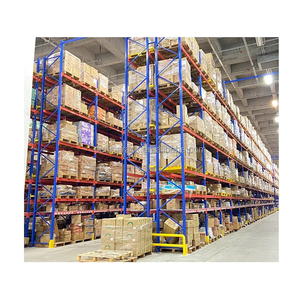
Steel Selective Pallet Racking System For Heavy Duty Warehouse Storage And Inventory Management
Engineering Flow-Through (Live Pallet Storage) Racking Systems for Algeria
A comprehensive structural, mechanical, and logistical evaluation of dynamic gravity-fed pallet flow technology designed to solve space constraints, high ambient heat, and strict FIFO inventory compliance across Algerian distribution hubs.
Modern industrial supply chains across the People's Democratic Republic of Algeria are undergoing an unprecedented structural transition. As national logistics master plans prioritize local manufacturing self-sufficiency, agro-industrial processing expansion, and strategic pharmaceutical sovereignty, warehouse operators in major industrial corridors such as Oued Smar, Rouiba-Réghaïa, Blida, and Constantine face critical operational bottlenecks. Traditional static selective racking configurations consume upwards of 60% of total warehouse floor area strictly in operating aisles for reach trucks and counterbalanced forklifts. In contrast, Flow Through Racking (also widely recognized as Dynamic Pallet Flow, Live Storage, or Gravity Roller Racking) leverages inclined roller tracks engineered at precise gradient angles to channel palletized inventory automatically from the loading (replenishment) face to the unloading (picking) face by gravity.
"Dynamic flow-through pallet racking transforms warehouse economics in Algeria: by consolidating intermediate forklift aisles into a single loading and single unloading interface, facility managers achieve up to 60% higher pallet volumetric density while enforcing absolute, faultless First-In, First-Out (FIFO) stock rotation."
Dynamic Mechanical Physics: Gravity Bed Gradient, Brake Drums, and End Separators
The structural efficacy of an industrial flow-through racking installation hinges entirely on calibrated mechanical resistance. Unlike basic shelving, pallet flow lanes are dynamic conveying machines embedded within heavy structural steel framework. High-grade cylindrical steel rollers, mounted with dual precision bearings and anti-dust labyrinth seals, are set on a calculated downward slope—typically calibrated between 3.5% and 4.2% depending on pallet skid composition, base runner orientation, and aggregate pallet gross weight ranging between 500 kg and 1,500 kg.
To prevent catastrophic velocity accumulation across long flow lanes (which can stretch up to 30 meters deep accommodating 20 or more pallets per channel), centrifugal brake rollers are integrated at mathematically calculated intervals. These speed controllers mechanically engage when pallet travel exceeds nominal velocity (typically 0.25 to 0.30 meters per second), absorbing excess kinetic energy through internal viscous friction without requiring external electrical power. At the terminal picking discharge point, heavy-duty mechanical pallet separators (load-disconnect locks) isolate the front-most pallet from the trailing queue line. This relieves hydraulic back-pressure, enabling forklift operators in Algerian distribution centers to extract pallets safely without snagging or load destabilization.
| Storage Methodology | Space Cube Utilization | Inventory Rotation Rule | Forklift Aisle Demand | Throughput Velocity | Optimal Algerian Industry Application |
|---|---|---|---|---|---|
| Pallet Flow Through Racking | 85% – 90% (Maximum Density) | Strict FIFO (100% Guaranteed) | 2 Aisles Only (1 Load / 1 Pick) | Extremely High (Continuous) | Dairy, Deglet Nour Dates, Pharmaceuticals, Cold Stores |
| Selective Pallet Racking | 35% – 45% (Aisle Intensive) | Variable (Dependent on Driver) | 1 Aisle Per Every 2 Racks | Moderate (100% Selectivity) | General Spare Parts, Engineering Components, Low SKU Count |
| Push-Back Racking | 70% – 75% (High Density) | Strict LIFO (Last-In, First-Out) | Single Operating Aisle | Moderate (Batch Handling) | Raw Dry Goods, Packaging Materials, Long-Cycle Buffer |
| Drive-In / Drive-Through | 65% – 75% (High Density) | LIFO (Drive-In) / FIFO (Drive-Thru) | Forklift Drives Inside Rack Channel | Low (High Collision Hazard) | Seasonal Bulk Storage, High Homogeneity Raw Materials |
Localized Flow Through Racking Applications Across Algerian Wilayas
From the intensive agricultural plains of Mitidja to the pharmaceutical biotech clusters of Constantine and the petrochemical logistics bases of the Sahara, flow-through racking answers severe operational challenges.
Agri-Food, Cold Stores & Date Logistics (Biskra & Blida)
Algeria's prized Deglet Nour date packaging facilities in Biskra, Tolga, and El Oued, alongside cold-storage facilities throughout the Mitidja Plain, face acute temperature-integrity challenges. Operating cold storage facilities at -18°C to +4°C carries immense electrical overhead. Flow-through racking condenses refrigerated cubic meters by up to 60%, drastically cutting thermal volume waste. Furthermore, strict FIFO prevents perishable fruit spoilage and guarantees that older harvests ship out before fresh inflows.
Pharmaceutical & Biotechnology Hubs (Constantine & Algiers)
Algeria produces over 70% of its domestic medicine consumption locally, anchored by the massive pharmaceutical poles of Constantine, Oued Smar, and Sidi Abdellah. Compliance with strict Algerian Ministry of Health guidelines and international Good Manufacturing Practices (GMP) mandates absolute batch traceability. Gravity flow-through lanes eliminate operator selection error: warehousemen pick exclusively from the discharge face, ensuring active pharmaceutical ingredients (APIs) and finished vials are dispatched rigorously by expiry date.
FMCG, Beverage & Mass Retail (Oran, Sétif & Algiers Port)
High-turnover fast-moving consumer goods (FMCG), edible oil packaging plants, mineral water bottling lines, and major retail supply hubs along the East-West Highway require rapid cross-docking capabilities. Pallet flow racks function as dynamic accumulation buffers directly between high-speed end-of-line palletizers and outbound container loading bays, slashing forklift cycle times by over 40% while preventing dock congestion during intensive container staging.
Macro Logistics Trends & Supply Chain Modernization in Algeria
Key economic, structural, and regulatory drivers accelerating the transition toward high-density gravity storage systems across North Africa.
Several transformative trends are propelling Algerian enterprise procurement managers away from obsolete conventional racking toward automated and semi-automated gravity live storage:
1. National Expansion of Inland Dry Ports and Logistics Platforms (Zones Logistiques)
Under the national strategy spearheaded by the Algerian Ministry of Transport and public logistics conglomerates like Logitrans and Port Authorities, massive inland dry ports are expanding around the perimeter of Algiers Port, Oran, and the deepwater hub of Djen Djen (Jijel). These dry ports aim to alleviate port maritime demurrage charges. Installing high-density flow-through racking allows logistics operators to store double the number of transit TEU-pallet equivalents on restricted customs footprints, speeding clearance and decongestion cycles.
2. The Imperative of Cold-Chain Integrity and Food Security
With aggressive governmental policies aimed at curtailing agricultural post-harvest spoilage—which historically affected up to 25% of national horticultural yields—Algeria is investing heavily in refrigerated logistics hubs. Flow-through racking is uniquely adapted to high-cost cold stores because gravity requires zero electrical cabling, busbars, or internal sensors inside refrigerated vaults, removing fire risk and sub-zero wiring embrittlement while minimizing thermal load dissipation.
3. Integration with the African Continental Free Trade Area (AfCFTA / ZLECAf)
As the trans-Saharan highway linking Algiers to Lagos nears complete realization, southern border logistics hubs in Tamanrasset and In Guezzam are evolving into transshipment gateways. Industrial manufacturers in Northern Algeria (producing ceramic tiles, electrical components, cables, and packaged foodstuffs) require ultra-dense buffer warehouses to stage heavy container loads for overland export, driving demand for structural flow racks capable of handling rigorous African freight duty.
Structural Engineering Advantages & Manufacturing Rigor
Built upon the world-renowned DEXION engineering lineage, our storage systems combine European precision fabrication with localized structural adaptations for Algerian conditions.
EN 15512 Structural Safety
Every frame, upright post, and load connector is engineered and load-tested strictly in compliance with European Standard EN 15512, Eurocode 3 (EN 1993-1-3), and verified for dynamic impact resistance.
Algerian RPA Seismic Design
Northern Algerian Wilayas (Zone IIa / III) fall into high seismic exposure. Our engineering teams perform localized finite element seismic calculations matching Algerian RPA 99 / Version 2003 seismic standards.
Thermosetting Epoxy Coating
Components undergo multi-stage chemical pretreatment, shot-blasting, and 180°C electrostatic thermosetting powder coating, delivering superior corrosion protection against coastal salt fog and desert sand friction.
Full Turnkey Engineering
From initial DWG structural site survey, pallet test-roll simulation, and Algerian customs import documentation to on-site certified installation supervision and EN 15635 compliance inspections.
Algeria Procurement & Engineering FAQ
Direct answers from our structural engineers addressing customs regulations, payment methods, pallet standards, and installation across Algerian Wilayas.
What payment terms and import banking procedures are supported for Algerian buyers? +
How does the system accommodate different pallet types common in Algeria (Euro vs. UK vs. Local)? +
Are structural calculation notes compliant with Algerian seismic regulations (RPA 99 / DTR-BC 2.48)? +
What shipping ports and inland delivery options are available for Algerian projects? +
Can existing selective or drive-in racking in Algeria be retrofitted into flow-through racking? +
How are installation, alignment, and commissioning managed on Algerian project sites? +
Request a Customized Flow-Through Racking Layout & Engineering Simulation
Our senior intralogistics engineers will evaluate your SKU profile, pallet weight variances, clear ceiling heights, and forklift operations to generate a free 3D CAD layout, capacity optimization report, and competitive quotation compliant with Algerian bank domiciliation.
Get a Quote