Heavy Density
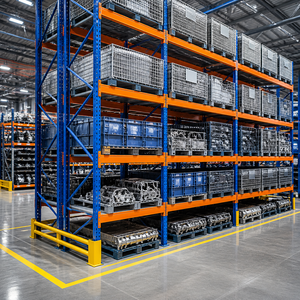
From long-goods cantilever architectures to high-density pallet and carton-flow systems, our structural steel equipment provides unyielding stability, certified load dynamics, and seamless lifecycle efficiency.
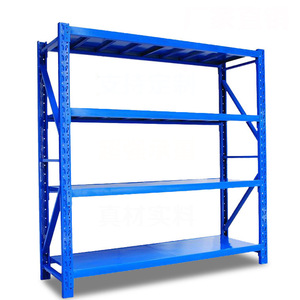
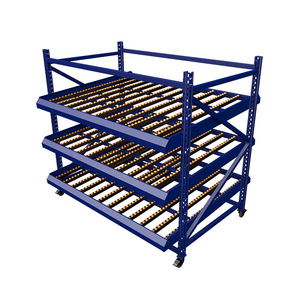
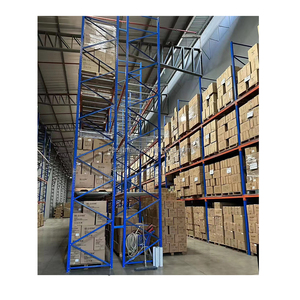
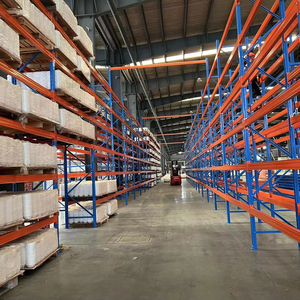
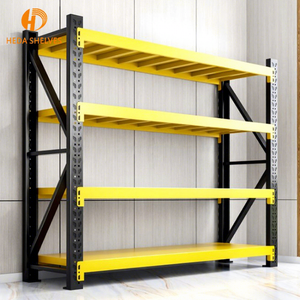
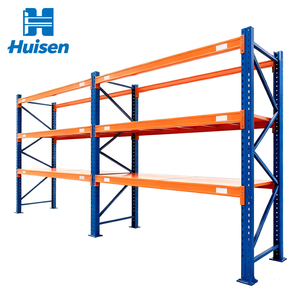
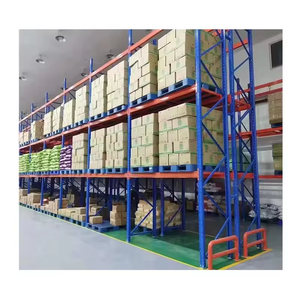
Navigating seismic risk factors, heavy manufacturing infrastructure, and Silk Road supply chain requirements through certified structural engineering.
Uzbekistan’s emergence as the primary industrial and logistical crossroad of Central Asia has triggered unprecedented demand for purpose-built intra-logistics equipment. Driven by sovereign infrastructure modernization projects under the "Uzbekistan 2030" development strategy, major investment zones such as the Tashkent Free Economic Zone, the Navoi Special Economic Zone, and industrial clusters across Samarkand and Fergana are experiencing massive warehouse footprints expansions. For operations processing irregular, heavy-profile, or out-of-gauge commodities—such as extruded aluminum sections, heavy steel tubing, architectural timber, polyvinyl chloride (PVC) extrusions, sheet metals, and infrastructure pipelines—conventional pallet racking is fundamentally insufficient. The solution demands specialized Heavy Duty Cantilever Racking Systems engineered to eliminate vertical front-column obstructions, thereby granting unconstrained horizontal loading capacity.
As a seasoned designer and global supplier, our structural design methodology bridges European technical standards (specifically EN 15512:2020 for steel static storage systems and EN 1993-1-3 Eurocode 3 for cold-formed members) with the mandatory local building safety frameworks (KMK 2.01.03-96 "Construction in Seismic Regions", ubiquitous across the Republic of Uzbekistan). Because seismic hazards in eastern Uzbekistan range from 7 to 9 on the MSK-64 scale, deploying static cantilever frames without certified torsional arm-to-column locking systems and dynamic cross-bracing represents an unacceptable operational and liability catastrophe. Our cantilever racking packages integrate precision-tapered columns manufactured from high-yield structural hot-rolled sections (such as IPE or HEA beams) or custom-welded hollow structures, combined with flexible arm designs that deflect upward upon impact rather than snapping or buckling the main upright column.
Tailored for the Tashkent and Bekabad metallurgical processing facilities. Supports heavy carbon steel rounds, square bar, profile pipes, and rebar packs with uninhibited overhead crane handling or side-loading forklift accessibility.
Optimized for building material distributorships throughout Samarkand and Bukhara. Features modular cantilever timber decks and continuous support arms designed to distribute dead load weights across plywood packs, plasterboard, and drywall bundles.
Configured for automotive component sub-assembly plants and heavy maintenance depots in Andijan and Fergana. Accommodates bulky machine dies, stamping tooling, and vehicle driveline parts with pinpoint forklift accessibility.
Central Asian installations must endure severe operational temperature differentials, spanning from winter extremes of -25°C to harsh continental summer peaks exceeding +45°C. Steel brittleness at low temperatures combined with extreme summer expansion can create structural stress points at standard bolted joints.
Our heavy-duty cantilever columns are engineered using fine-grain micro-alloyed steel grades with high Charpy V-notch impact toughness (≥27 Joules at -20°C). This ensures that rack columns and arm welds retain full dynamic energy absorption without catastrophic fatigue cracking.
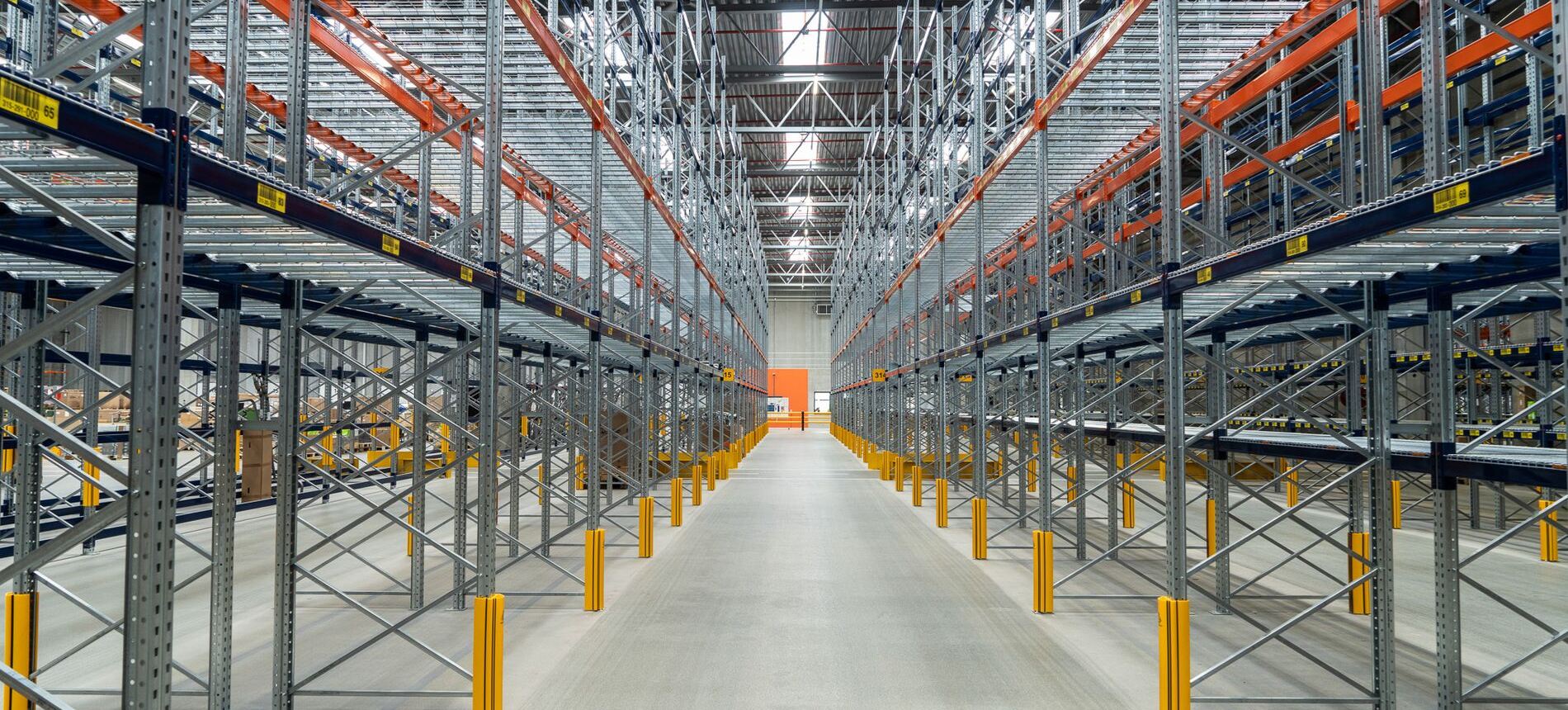
Analyzing macro-economic forces, trade corridors, and supply chain shifts redefining warehouse infrastructure investments through 2030.
Uzbekistan’s strategic investments in railway dry ports and multimodal cargo depots along the China-Central Asia-West Asia Economic Corridor require massive external and sheltered cantilever storage. Facilities are shifting toward standardized, tall vertical racking up to 12 meters to optimize square-meter footprints alongside rail spurs.
Legacy Soviet-era open-floor storage depots are undergoing comprehensive retrofits. Modern operators are phasing out floor-stacking—which causes material damage rates of up to 14%—in favor of engineered vertical cantilever systems, improving picking velocity and inventory visibility under automated WMS software.
With international automotive, metallurgical, and textile equipment ventures entering Uzbekistan's special economic zones, EPC contractors and procurement managers insist upon verifiable QA/QC dossiers, material test reports (MTR), and international static calculations before commissioning warehouse racking systems.
Why enterprise operators, system integrators, and logistics directors rely on our engineering capability for high-risk industrial installations.
Every cantilever project undergoes finite element analysis (FEA) based on actual cross-sectional arm moment balances, building slab bearing limits, and crane handling vectors. We furnish complete statics documentation for regulatory approval.
Utilizing high-tensile certified steel (Q235B, Q355B, and European equivalent grades). Automated robotic welding cells and continuous shot-blasting processes deliver ultra-adherent coating adhesion and structural weld integrity.
From seamless overland rail-container deliveries via international corridors into Tashkent to on-site assembly supervision and periodic EN 15635 rack safety compliance inspections, our engineering presence reduces operational downtime.
Direct structural guidance addressing floor slab capacity, seismic ratings, customs clearance, and long-load handling equipment compatibility.
Connect directly with our senior racking structural engineering team. Submit your warehouse dimensions, stored commodity profile dimensions, forklift handling specs, and target capacities for a complete CAD design package and competitive direct-factory quotation.
Send an Inquiry