Engineered Storage Architectures & Structural Rack Units
Robust hot-rolled and cold-formed racking configurations custom-tailored for Spanish warehousing footprints, FMCG distribution corridors, and temperature-controlled hubs.
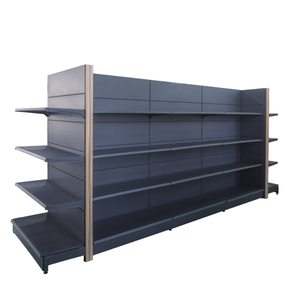
Gondola Shelves of Supermarkets, Premium Store Shelving Solution
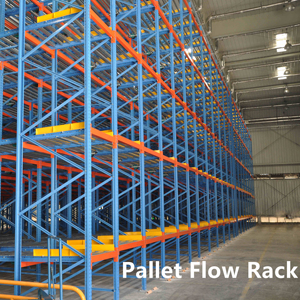
Customized Gravity Flow Pallet Roller Shelf System Heavy Duty Pallet Flow Rack
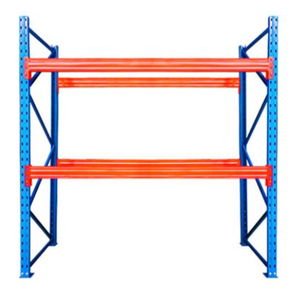
Pallet Racking System Warehouse Shelves Heavy Duty Picking Shelves Rack
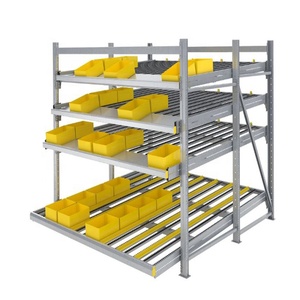
Customized FIFO Roller Racking Dynamic Storage Rack Carton Flow Rack
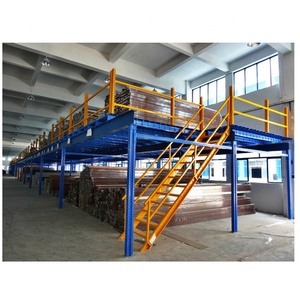
Mezzanine Shelf Storage Heavy Duty Rack System Platform
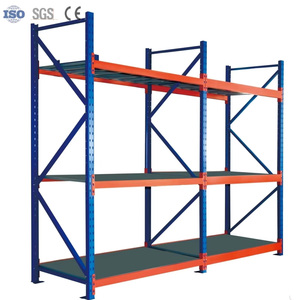
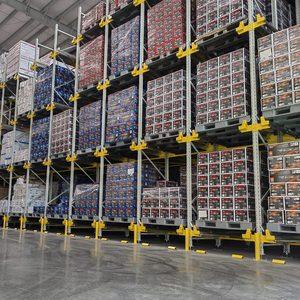
High-Density Steel Powder Coated Automatic Storage Retrieval System ASRS
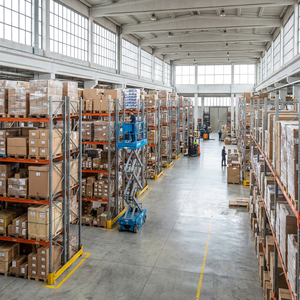
Professional Heavy Duty Pallet Rack Supplier Warehouse Storage System
Structural Rigidity & Procurement Dynamics Across Spanish Logistics Hubs
Modern distribution complexes throughout the Iberian logistics triangle—connecting Madrid’s Corredor del Henares, Catalonia’s Zona Franca, and Valencia’s maritime-intermodal perimeter—operate under demanding throughput pressures. Selecting heavy-duty structural pallet racking is no longer a mere transaction of cold-formed steel; it is a meticulous civil and mechanical engineering undertaking governed by strict European standards.
In contrast to traditional roll-formed uprights that struggle with repeated reach-truck abuse, hot-rolled structural steel profiles (including I-beam channel sections and boxed weldments) provide superior impact tolerance, rotational stiffness, and load redistribution. This structural resilience is vital in Spanish facilities that deploy high-reach Class II reach trucks and wire-guided Class I VNA (Very Narrow Aisle) automated turrets reaching clearances exceeding 14 meters.
Under the European standard EN 15512:2020 (Steel static storage systems – Adjustable pallet racking systems – Principles for structural design) and local adaptations under the Spanish Technical Building Code (CTE - Código Técnico de la Edificación), calculating racking requires an exact synthesis of dead loads, live SKU capacities, operational seismic coefficients (NCSE-02), and baseplate-to-concrete slab shear anchorage. As Spanish 3PL operators consolidate FMCG volumes into taller, more condensed footprints, the balance between rack ductility and extreme load capacity dictates facility safety margins.
Localized Deployments in the Spanish Industrial Sector
Custom structural rack engineering addressing the operational realities of Spain's core economic corridors.
Agri-Food & Controlled Cold Storage
Spain is widely recognized as the fruit and vegetable orchard of Europe. In the production powerhouses of Murcia, Almería, and the agricultural processing hubs of Seville and Lleida, cold-storage facilities operate at sub-zero temperatures (ranging down to -28°C).
- Galvanized and corrosion-resistant powder-coated uprights
- High-density MOVO mobile bases eliminating wasted chilled volume
- Thermal contraction compensation calculations on structural joints
Automotive Just-in-Time Hubs
The manufacturing perimeters supporting OEM assembly lines in Martorell (Seat/VW), Almussafes (Ford), Vigo (Stellantis), and Valladolid (Renault) depend entirely on JIT/JIS sequence logistics requiring zero beam failure margins.
- Heavy structural cantilever arms for stamping dies & long profiles
- Custom gravity flow carton beds interfacing picking stations
- Overhead cross-aisle tying protecting high-frequency traffic lanes
eCommerce Corridors & Urban Logistics
With massive e-fulfillment demand centered along Madrid’s A-2 motorway and Barcelona’s B-30 logistics belt, operators must achieve rapid unit-sortation speeds alongside high pallet cube density.
- Multi-tier structural mezzanine integrations expanding floor area
- Dynamic pallet push-back and live-roller FIFO accumulation lanes
- Strict fire safety flue spacings engineered for ESFR ceiling sprinklers
Warehouse Modernization Trends in Spain
The technological and regulatory forces redefining warehouse construction and procurement standards across Spain.
Seismic Engineering Under NCSE-02 & Eurocode 8
Seismic risk mitigation is a mandatory structural priority in southern and eastern Spain, specifically across Granada, Alicante, and Murcia. Racking installations now require dynamic response-spectrum analyses, enlarged floor anchor plates, and cold-formed bracings engineered to absorb lateral seismic forces without catastrophic frame buckling.
Automation Readiness & ASRS Migration
Scarcity of prime logistics land near metropolitan areas has pushed operations vertically. Pallet racking frames are increasingly fabricated as self-supporting clad-rack warehouses (almacenes autoportantes), wherein structural racking frames support roof and wall claddings while interfacing with fully automated crane and shuttle systems.
Mandatory Periodic Safety Audits (UNE 58014 / EN 15635)
Spanish occupational health inspection authorities (ITSS) strictly enforce UNE 58014 and European standard EN 15635. Warehouses are mandated to retain certified technical experts for annual inspections, enforcing red/amber/green risk categorization to mitigate workplace liability and maintain structural insurance validity.
Our Engineering Heritage & Certified Value Proposition
Combining world-class production precision, advanced Finite Element Analysis (FEA), and lifecycle support.
End-to-End European Standard Compliance
Every beam connector, column base, and frame diagonal is engineered and structurally validated against European static design standards: EN 15512, EN 15620, EN 15629, and EN 15635. We deliver transparent calculation packages and certified load safety plaques for every completed bay.
Controlled Steel Quality & High-Grade Alloys
Using certified S355 and high-yield cold-rolled steel, our automated roll-forming and welding lines guarantee precision tolerances down to fractions of a millimeter. Every production heat undergoes tensile, shear, and surface finish tests to verify long-term resilience against industrial impacts.
Lifecycle Turnkey Delivery & Technical Oversight
From initial DWG layout design, floor slab dynamic load verification, and seismic profiling through to coordinated site assembly and final commissioning, our engineering teams ensure seamless handovers with zero interruption to active site operations.
Frequently Asked Questions: Heavy Duty Racking in Spain
Critical structural, operational, and regulatory clarifications for plant managers, supply chain directors, and EPC procurement leads.
How do seismic regulations (NCSE-02 & Eurocode 8) impact racking configurations in Spain?
What are the standard beam spans required for European pallets (1200x800mm) vs. Iberian pallets (1200x1000mm)?
What slab floor specifications and anchor requirements are necessary for heavy structural racking?
What are the legal inspection cycles for pallet racking under Spanish workplace safety regulations?
Can existing selective racking be retrofitted into dynamic or semi-automated systems?
Ready to Engineer Your Facility's Maximum Storage Potential?
Connect with our senior logistics structural engineers for custom load calculations, technical CAD layouts, and certified turnkey pallet racking projects for the Spanish market.
Contact Us