Engineered Heavy Duty Storage Systems for Pakistani Enterprises
Direct-factory structural steel solutions configured for extreme load requirements, high cubic space utilization, cold chain preservation, and intense material turnover.
Engineering High-Density Pallet Racking Systems in Pakistan: Technical Feasibility & Industrial Architecture
A technical analysis of high-density steel storage configurations designed to address accelerating land valuation, seismic activity, coastal humidity, and supply chain throughput across Pakistan's major logistics hubs.
Drive-In & Drive-Through Systems
Engineered for high-volume, low-SKU applications requiring maximum volumetric density. Drive-in systems reduce operating aisles by up to 65% by allowing counterbalance or reach trucks to enter storage bays directly. Utilizing heavy-duty formed cantilevers and continuous guide rails, this structure is predominantly deployed across cold storage facilities in Multan and Sahiwal for perishable fruit and dairy storage, maximizing energy savings per cubic meter.
Push-Back Dynamic Cart Racking
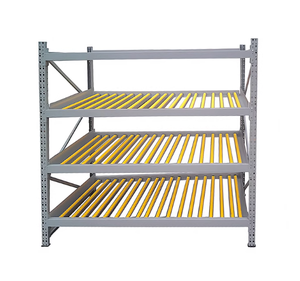
Operating on a Last-In, First-Out (LIFO) material flow, nested nested carriage carts slide on inclined structural rails. When placing pallets, the forklift pushes back previous units, providing 2 to 6 pallet-deep positions while maintaining individual lane selectivity. This eliminates forklift entry into the racking cube, reducing structural collision hazards common in high-traffic FMCG distribution centers in Sundar Industrial Estate, Lahore.
Radio Shuttle Semi-Automated Systems
A self-powered automated shuttle cart navigates channel rails beneath pallets using laser sensors, guided by RF controllers or integrated Warehouse Management Systems (WMS). Capable of operating in both FIFO and LIFO modes across 40-meter-deep bays. Shuttles minimize labor overhead and cycle times while offering unparalleled load safety—essential for large-scale textile export operations in Faisalabad and Port Qasim logistics zones.
Very Narrow Aisle (VNA) High-Bay
Configured with operational aisle widths between 1.5m and 1.8m and vertical reach exceeding 15 meters, VNA setups utilize turret trucks guided by inductive floor wire or mechanical steel floor angles. VNA combines 100% selective pallet accessibility with cubic density comparable to Drive-In configurations, serving as the benchmark infrastructure for modern 3PL fulfillment hubs near the M-2 and M-5 motorways.
Multi-Tier Mezzanine & Heavy Platforms
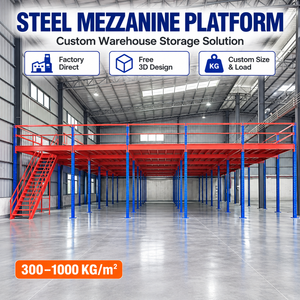
By transforming unutilized overhead air rights into multi-tiered picking galleries, heavy-duty structural steel mezzanines double or triple floor space without concrete civil expansion. Finished with anti-slip perforated steel panels, integrated fire sprinkler routing, and gravity carton chutes, these are vital for Karachi's e-commerce sortation centers and pharmaceutical batching facilities.
MOVO Motorized Mobile Pallet Racking
Pallet racking superstructures mounted on electronically driven, heavy-duty mobile bogies moving on recessed floor rails. The entire bank opens a single variable forklift aisle on command via remote control or optical sensors. MOVO delivers up to 180% increased capacity over conventional selective racking within the identical building footprint, slashing refrigerated volume costs in commercial cold storage operations.
Localized Application Scenarios Across Pakistan’s Industrial Hubs
Storage engineering in Pakistan demands granular consideration of regional micro-climates, soil conditions, logistics corridors, and structural seismic zoning codes.
| Economic Corridor / Zone | Predominant Industry Sectors | Recommended Racking Architecture | Key Environmental & Structural Challenges | Capacity Enhancement Metric |
|---|---|---|---|---|
| Karachi Port & Port Qasim Corridors (Korangi, Landhi, SITE, Bin Qasim) | Port logistics, maritime freight consolidation, chemical storage, FMCG importing. | Push-Back & Very Narrow Aisle (VNA) Selective Systems | High coastal humidity, saline maritime aerosol corrosion (C4/C5 atmospheric classes), alluvial coastal soil requiring specialized baseplates. | +60% Pallet Footprint |
| Punjab Industrial Cluster (Sundar, Quaid-e-Azam, Sheikhupura, Faisalabad) | Textile yarn spinning, finished garments, light engineering, automotive assembly. | Heavy Duty Mezzanine Floor & Radio Shuttle Deep Storage | Extreme temperature variances (0°C to 48°C), high warehouse roof clear-heights (12m-16m) demanding high buckling resistance under full load. | +110% Usable Volume |
| CPEC & Upcountry Transit Corridors (Hattar, Rashakai, CPEC Route 1) | Dry-port transit logistics, raw mineral distribution, heavy machinery staging. | Standard High-Bay Selective & Cantilever Structural Racks | Severe seismic activity (Zone 3 and Zone 4 building code compliance), heavy cyclic wind vibrations, cross-border container turnover. | +45% Aisle Efficiency |
| Agri-Produce & Cold Belts (Multan, Sahiwal, Sargodha, Rahim Yar Khan) | Citrus packaging, mango export consolidation, dairy processing, seed storage. | Drive-In Pallet Racks & MOVO Mobile Cold-Storage Systems | Continuous sub-zero environments (-25°C to +4°C), thermal contraction of structural bolts, critical air circulation spacing requirements. | +85% Refrigeration ROI |
Overcoming Coastal Corrosion in Sindh & Balochistan
Warehouses located near Karachi’s Arabian Sea coast or along the Gwadar Free Zone endure aggressive marine microclimates loaded with sodium chloride particulates. Standard powder-coated steel rapidly succumbs to sub-surface rust when scratched by forklift tines. Our engineering specifications for Pakistani coastal deployments enforce rigorous pre-treatment protocols, including multi-stage zinc phosphate immersion followed by thermosetting pure epoxy-polyester electrostatic powder coating (exceeding 80-100 microns) or full hot-dip galvanization conforming to ISO 1461. This ensures that upright columns and lower footings resist corrosion even in unconditioned warehouses adjacent to the Port of Karachi.
Seismic Vulnerability & Pakistan Building Code (BCP-SP 2007)
Much of Pakistan's industrial spine spans tectonically active zones—from Zone 2B (Karachi, Lahore) to Zone 3 (Islamabad, Rawalpindi) and Zone 4 (Quetta, northern corridors). In high-density racking, dynamic seismic tremors trigger catastrophic progressive collapse if uprights are designed solely for static vertical loads. Under EN 15512 and regional seismic annexes, we execute finite-element simulations modeling both horizontal ground acceleration and sway dissipation. By utilizing cold-rolled, high-tensile omega-profile uprights (Q355B steel grade) equipped with heavy gauge seismic baseplates and multi-point wedge anchoring, structures remain ductile and structurally intact during seismic occurrences.
Strategic Macroeconomic Drivers Transforming Pakistani Warehousing
The transition from rudimentary floor stacking to certified high-density racking is propelled by massive industrial shifts, industrial park modernization, and cross-border transport nodes.
Industrial Land Price Surges in Metro Hubs
Commercial and industrial real estate values in established zones such as Korangi (Karachi) and Kot Lakhpat (Lahore) have surged drastically. Logistics directors can no longer justify single-level floor stacking or wide-aisle low-bay storage. Utilizing height clearance up to 14 meters through high-density racking systems delivers up to an 80% decrease in land acquisition costs per stored pallet position.
CPEC Special Economic Zones (SEZs)
Priority SEZs including Rashakai, Allama Iqbal Industrial City (Faisalabad), and Dhabeji (Thatta) are activating vast logistics parks designed to handle bilateral trade. These modern Class-A warehouse shells, featuring 12m+ clear heights, require high-rack infrastructure compliant with international shipping container pallets (both 1000x1200mm UK/Asian pallets and 800x1200mm Euro pallets).
Rapid Formalization of Organized 3PL & FMCG
The penetration of national distribution networks, corporate retail superstores, and e-commerce platforms (such as Daraz and regional quick-commerce fulfillment) requires exact SKU traceability, First-Expired, First-Out (FEFO) management, and swift pallet picking cycles. Modern high-density configurations unlock high throughput while preventing crushed-load losses.
Why Pakistani Enterprise Buyers Partner With Us
Full lifecycle steel engineering—from precision computerized roll forming to localized site commissioning and structural safety load certifications.
Engineering, Materials & Structural Design Standards
Every racking system delivered to the Pakistani market is engineered under strict European and international structural benchmarks, guaranteeing exceptional structural reliability throughout decades of continuous operation:
- EN 15512 Compliance: Steel static storage systems design standards for adjustable pallet racking, with real deflection limit safety factors (L/200 standard beams).
- Certified High-Grade Steel: Roll-formed from premium certified Q235B and high-yield Q355B structural steel coils, delivering high tensile endurance.
- P90 Platform Modular Design: Upright pitch perforation every 50mm/75mm, allowing millimetric beam adjustments to prevent dead vertical space.
- Structural 3D Finite Element Analysis (FEA): Load stress analysis accounting for floor slab settlement, truck impact loads, and lateral wind/seismic forces.
Turnkey Project Delivery & Localized Execution
We combine international manufacturing capacity with comprehensive on-ground project execution to ensure risk-free deployment across Pakistan:
- Pre-Engineering CAD Layouts: Full warehouse spatial surveying, forklift turning radius simulations, and architectural drawings provided prior to fabrication.
- Import Clearance & Port Logistics: Seamless delivery through Karachi Port / Port Qasim with complete bill of lading and customs documentation support.
- Supervised On-Site Erection: Experienced installation engineers oversee site leveling, anchor bolting, plumb verification, and beam safety pin placement.
- EN 15635 Safety & Annual Inspection: Formal load safety signage, maximum allowable bay loading placards, and periodic damage inspection audits.
Frequently Asked Questions for Sourcing Racking Systems in Pakistan
Detailed technical and logistical answers for Supply Chain Directors, Plant Managers, and Procurement Teams navigating warehouse automation and racking imports.
1. What custom duties, HS Codes, and import regulations apply when importing pallet racking into Pakistan? +
2. How do local concrete floor slab specifications affect high-density racking installation in Pakistan? +
3. Which pallet sizes are standardized in Pakistani warehousing, and can your systems support them? +
4. How does coastal saline air in Karachi affect rack longevity compared to inland facilities like Lahore? +
5. What is the typical production and delivery timeline to Pakistan? +
6. Can existing manual warehouses in Pakistan be upgraded to high-density semi-automated racking without structural civil rebuilding? +
Transform Your Warehouse Capacity with High-Density Storage
Consult with our senior logistics structural engineers today. Receive a custom 2D/3D CAD layout, comprehensive load capacity analysis, and a transparent factory-direct quotation customized for your facility in Karachi, Lahore, Faisalabad, or anywhere across Pakistan.