0.45+ Sds
High Seismic Engineering Compliance
100% RMI
MH16.1 & EN 15512 Certified Quality
+40% Density
Cube Optimization for Bay Area Footprints
500+ TEU
Export Volume to Oakland & SF Hubs
Product Architecture
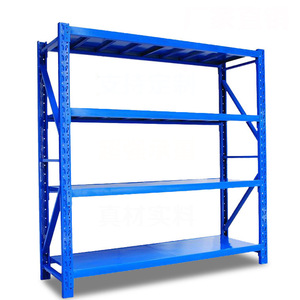
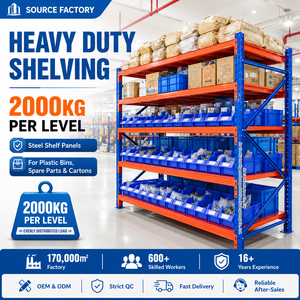
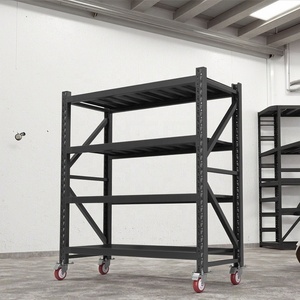
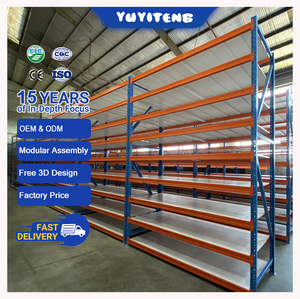
Heavy-Duty Warehouse Racking & Bulk Storage Equipment
Precision-manufactured structural racking systems designed for rapid deployment, high load-bearing safety factors, and extreme seismic resistance in Northern California logistics facilities.
Regional Engineering Applications
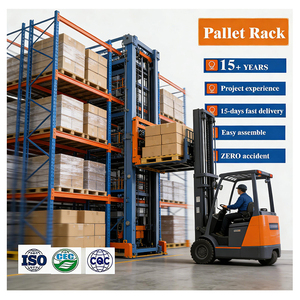
Solving Storage Density in High-Cost San Francisco Submarkets
With industrial real estate lease rates exceeding $1.60-$2.40 per square foot across South San Francisco, Brisbane, Richmond, and the East Bay, maximizing volumetric efficiency isn't just an option—it is a business survival strategy.
Seismic Design Category D, E & F Engineering
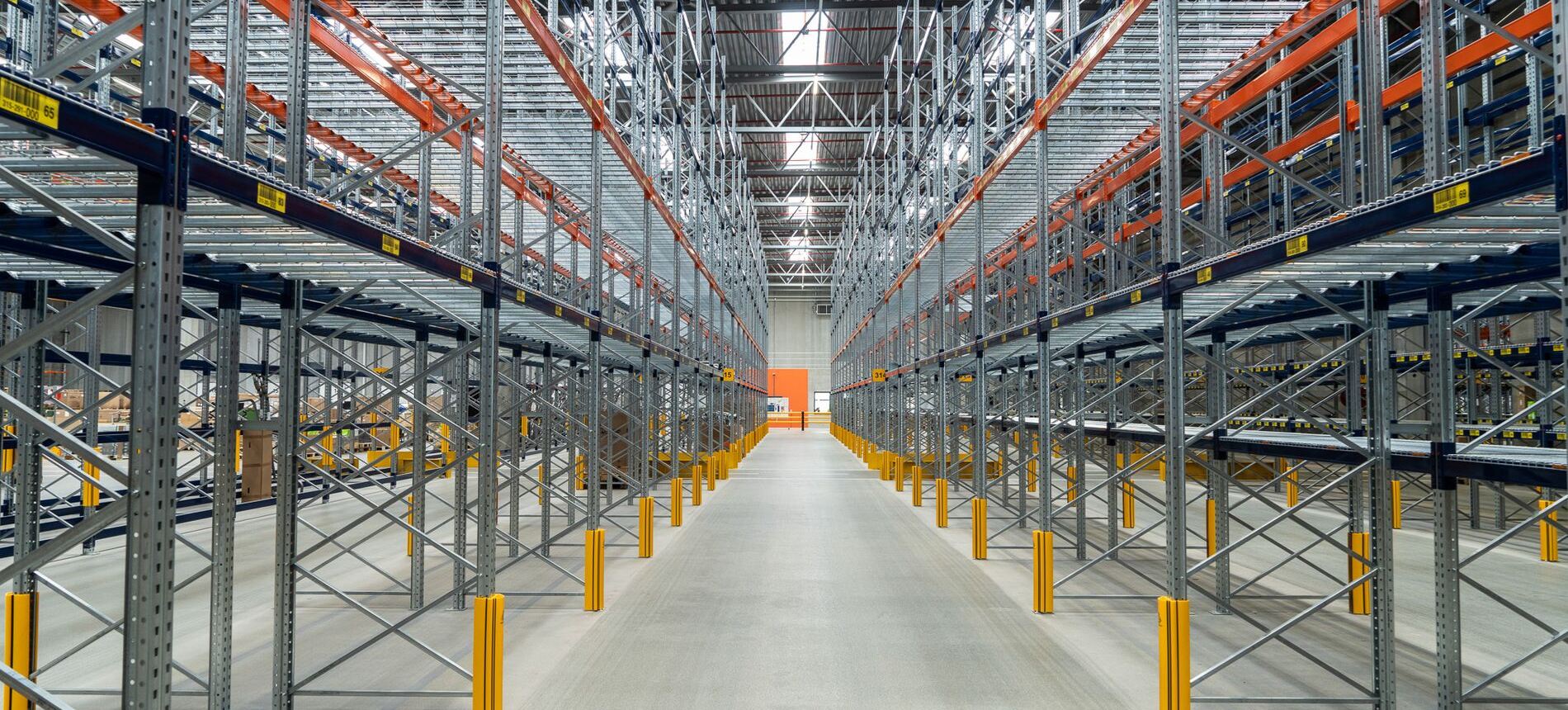
The San Francisco Peninsula and East Bay logistics corridor sit immediately adjacent to the San Andreas and Hayward Fault systems. Industrial racking in these regions cannot use standard generic configurations; it must strictly comply with California Building Code (CBC) Title 24, Chapter 16 and RMI MH16.1 specifications.
- Over-Engineered Base Plates: Thick-gauge steel base pads engineered for anchor bolt ductile yield mechanisms in high-PGA soil sites.
- Ductile Beam Connections: Patented high-shear locking pins and wrap-around end plates that prevent catastrophic dislodgement during cyclic horizontal drift.
- Licensed PE Stamped Calculations: Complete structural analysis packages delivered with every project to pass San Francisco DBI (Department of Building Inspection) plan checks.
Cold Chain & Third-Party Logistics (3PL) Maximization
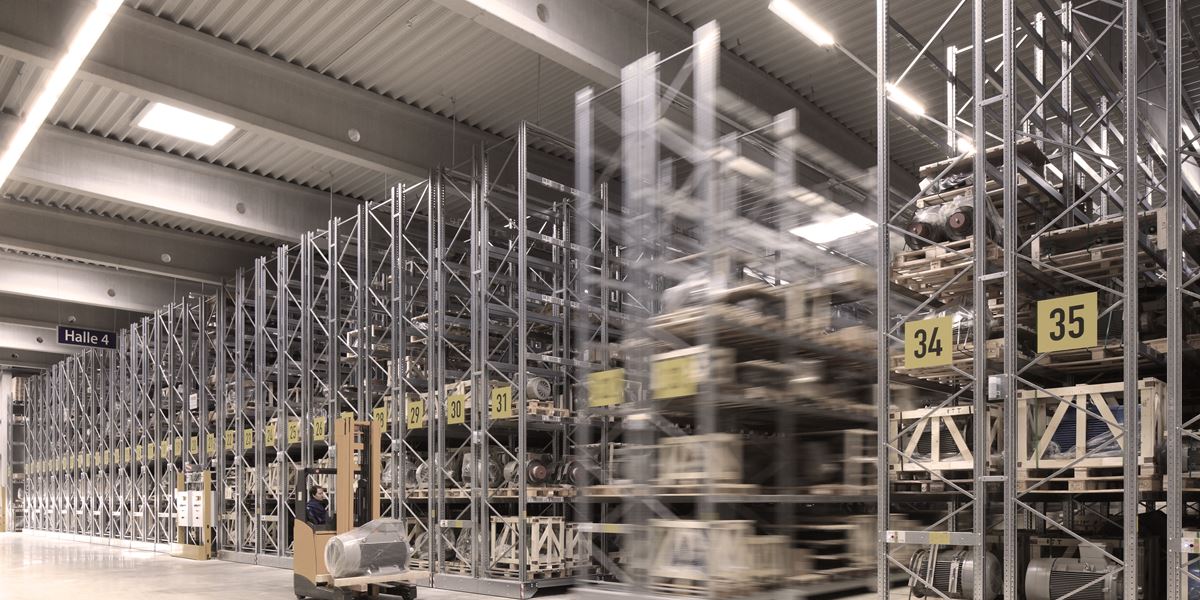
From produce distribution around the Golden Gate Produce Terminal to high-value pharmaceutical cold chain infrastructure near South San Francisco biotech centers, refrigerated square footage costs are at a global premium. Our high-density dynamic and mobile racking systems deliver unprecedented space recovery.
- Mobile Pallet Racking (MOVO Integration): Eliminates fixed aisles to convert static transit paths into usable storage, doubling pallet capacity within identical freezer envelopes.
- Sub-Zero Steel Resiliency: High-tensile low-temperature steel formulations (Q355D/E) that maintain notch toughness and resist brittle cracking down to -30°C.
- FIFO/LIFO Optimization: Gravity roller lanes and deep push-back configurations that reduce forklift transit mileage and lower thermal loss.
Logistics Evolution
San Francisco & Silicon Valley Bulk Storage Trends
Emerging demand vectors reshaping how industrial space, automation hardware, and inventory infrastructure interact across the West Coast corridor.
Automation & AMR Integration
Silicon Valley robotics firms and regional distributors are aggressively pairing Autonomous Mobile Robots (AMRs) with structural racking. Our uprights and beam profiles are manufactured with tight tolerances (EN 15512 / RMI) to facilitate millimetric precision for automated guided shuttles and robotic picking cranes.
Urban Infill Micro-Fulfillment
With immediate last-mile expectations across the SF Peninsula, old multi-story industrial buildings are undergoing structural retrofits. Modular mezzanines, multi-tier industrial shelving, and vertical lift modules (VLMs) are converting underutilized vertical headroom into productive fulfillment nodes without new ground-up construction.
Stringent Fire Safety & ESFR Compliance
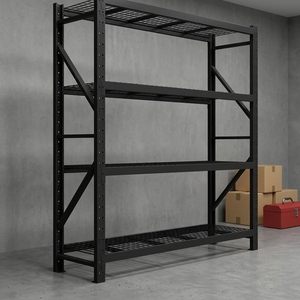
Bay Area fire marshals enforce rigorous early suppression fast response (ESFR) ceiling sprinkler mandates. Our bulk racking configurations incorporate calibrated longitudinal and transverse flue spaces, coupled with open wire mesh decking, guaranteeing zero hydraulic occlusion during high-velocity fire emergencies.
| Racking Architecture | Space Utilization | Direct Selectivity | Bay Area Seismic Rating | Recommended San Francisco Profile |
|---|---|---|---|---|
| Selective Pallet Racking | Base (40% - 50%) | 100% (Instant Pallet Access) | High (Requires braced frames) | High-SKU distribution, e-commerce, consumer retail |
| Drive-In / Drive-Through | High (65% - 75%) | Low (Last-In, First-Out) | Moderate (Requires reinforced top tie beams) | Bulk food manufacturing, raw commodity batch holding |
| Push-Back Cart Racking | Very High (70% - 80%) | Medium (2 to 6 pallets deep) | High (Self-contained nested carts) | Cold storage logistics, cross-dock transit buffers |
| Mobile Racking (MOVO) | Maximum (85% - 90%) | 100% (Automated single-aisle) | Engineered (Rail interlocks absorb lateral force) | High-value pharmaceutical cold chain, SF urban micro-hubs |
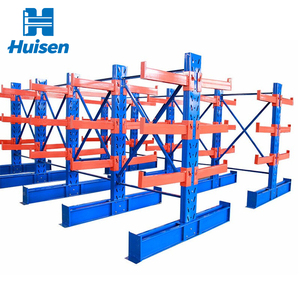
| Structural Cantilever | Specialized Linear | 100% (Linear unobstructed) | Engineered (Heavy column base moment connections) | Lumber, steel tubing, pipe distribution, aerospace stock |
Global Manufacturing · Direct Export
Engineering Capabilities from Factory to Oakland Terminal
Combining high-capacity automated production lines with rigorous Western compliance frameworks to deliver enterprise B2B advantages.
Mill-Certified Structural Steel
All load-bearing members are cold-formed from high-yield structural steel coils (equivalent to ASTM A1011 and Q235B/Q355B). We provide mill test certificates (MTC), full heat-number traceability, and non-destructive weld testing for complete regulatory confidence.
California PE Stamped Calculation Packages
Avoid expensive permitting delays. Our engineering department works in direct coordination with California-licensed Professional Engineers (PE) to produce structural calculations, anchor bolt tension/shear verifications, and permit drawings tailored to local municipal building codes.
Direct Transpacific Ocean Logistics
Located strategically near major container port facilities, our specialized packing teams load containers with high volumetric efficiency, using seismic-rated steel framing brackets to guarantee zero shipping deformation upon arrival at the Port of Oakland or Richmond rails.
Procurement & Permitting Guide
San Francisco Racking Buyers: Frequently Asked Questions
Critical insights on seismic engineering, city permitting, fire clearances, and containerized factory-direct importation.
What seismic ratings are mandatory for pallet racking in San Francisco? +
San Francisco, San Mateo, and Alameda Counties sit predominantly in Seismic Design Categories (SDC) D, E, or F. Under the California Building Code (CBC 2022) and ASCE 7, rack installations exceeding 8 feet in height are classified as non-building structures. They require dynamic seismic analysis based on the facility’s specific spectral acceleration parameters (Ss and S1 values), specific soil site class (A through F), and the importance factor (I = 1.0 or 1.25 for essential facilities). Our export factory pre-engineers upright column sections, heavy-gauge diagonal bracing, and thick ductile base plates specifically sized for these spectral demands.
How do we navigate the San Francisco DBI permitting process? +
The San Francisco Department of Building Inspection (DBI) requires a two-step submittal: architectural layout approval and structural seismic plan review. You will need stamped drawings and calculation packages executed by a California-licensed Professional Structural Engineer (SE/PE), verifying upright slenderness, beam-to-column moment capacity, and floor slab anchor embedment depths. We supply exact 3D BIM/CAD geometry, steel yield test certifications, and calculation data sheets that allow your local expediter or engineer of record to submit without costly redesign.
What fire sprinkler and flue space rules apply under SFFD guidelines? +
According to NFPA 13 rules adopted by the San Francisco Fire Department, pallet rack rows must maintain continuous 6-inch longitudinal flue spaces (between back-to-back rows) and 3-inch transverse flue spaces (between pallet loads and upright frames). In racks utilizing solid shelves, in-rack sprinkler heads become mandatory. By outfitting our bulk selective and heavy-duty shelving systems with open-drop steel wire mesh decking (minimum 50% net open area), water from overhead ESFR sprinklers penetrates unhindered to lower levels, eliminating the cost of complex in-rack plumbing.
Can existing legacy warehouses in South SF or Oakland be retrofitted? +
Yes. Many historic concrete tilt-up or bow-truss warehouses in the Bay Area feature low clear heights (16–22 ft) and irregular column grids. We routinely design custom beam profiles and multi-tier picking platforms that work within these architectural constraints. Retrofitting can re-profile beam heights to accommodate smaller pallet units, add heavy-duty structural cantilevers along perimeter walls, or deploy guided very narrow aisle (VNA) configurations to recapture up to 40% unused volumetric capacity without expanding building square footage.
How are factory-direct container shipments handled at Port of Oakland? +
We ship factory-direct via 40ft High Cube (HC) ocean containers directly into the Port of Oakland or Port of Long Beach. Components are bundled in heavy-duty welded shipping cassettes and protected with VCI anti-corrosion barrier wraps to prevent salt air condensation damage during Pacific transit. Once customs clearance is completed by your freight forwarder, drayage carriers deliver the containers directly to your job site for scheduled ground-level unbundling and immediate erection.
What is the lead time from engineering approval to Bay Area jobsite? +
Typical manufacturing cycles for standard custom systems run 3 to 4 weeks following final approval of shop drawings and seismic calculation sheets. Pacific transit to Oakland takes approximately 14 to 18 days depending on ocean carrier rotation. In total, procurement teams typically budget 7 to 9 weeks from project kickoff to on-site delivery, unlocking cost savings of 25% to 40% compared to domestic distributor markups on identical raw steel profiles.
Engineer Your San Francisco Facility for Maximum Density
Connect with our senior logistics engineering team to request factory-direct pricing, custom CAD layout drafting, or complete RMI/Title 24 structural calculation packages.