Export-Grade Pallet Racking & Specialized Storage Systems
Precision-manufactured with heavy-duty base plates and cold-rolled certified steel profiles, engineered for severe impact resistance, seismic damping, and floor slab load redistribution across Melbourne distribution hubs.
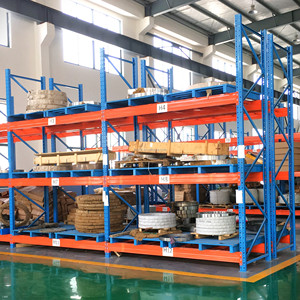
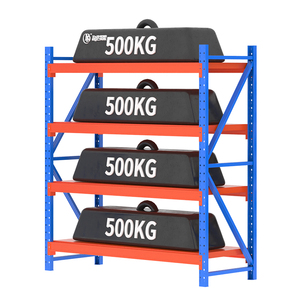
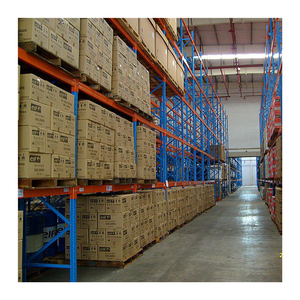
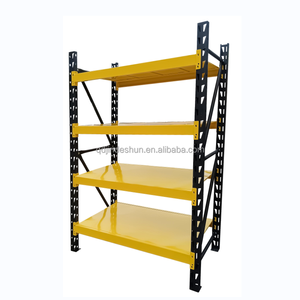
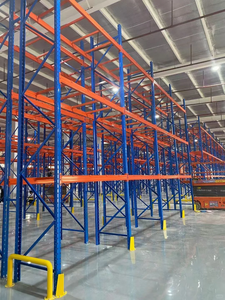
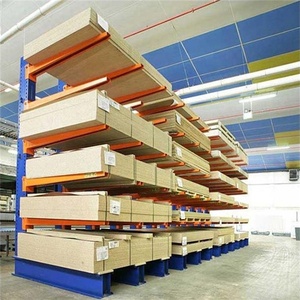
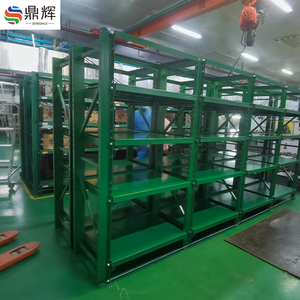
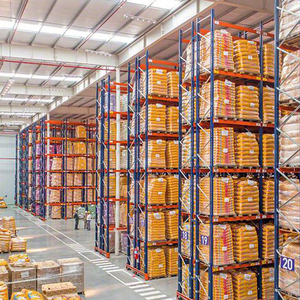
The Critical Role of Upright Footplates in Modern Warehouse Safety Architecture
Localized Application Scenarios Across Melbourne’s Logistics Corridors
Victoria's supply chain ecosystem exhibits distinct floor-load challenges, microclimates, and racking operational profiles requiring tailored baseplate and footing topologies.
Western Corridor Automated 3PL Hubs (Truganina, Laverton North, Altona)
Characterized by expansive, multi-hectare footprints with ceiling clearances exceeding 14 to 17 meters. These facilities experience high-cycle turnover using turret trucks and Autonomous Mobile Robots (AMRs). Here, wide-flange, dual-anchor heavy-duty footplates (150x120x8mm) are mandatory to mitigate intense localized point-loads, prevent floor micro-cracking, and disperse vibrational shear from high-frequency reach truck braking.
Heavy Dynamic Load ToleranceSouth-East Cold Storage & Fresh Produce (Dandenong South, Braeside)
Victorian agricultural and food processing distribution relies on deep-freeze and temperature-controlled logistics operating at -25°C. Sub-zero temperatures induce thermal contraction and condensation, causing hydrogen embrittlement in substandard steel. We engineer hot-dip galvanized (HDG) and stainless-steel soleplates featuring high-strength thermal decoupling shims that prevent condensation corrosion and preserve anchor torque integrity.
Corrosion & Sub-Zero ProofNorthern Industrial Retrofit Precincts (Campbellfield, Somerton, Thomastown)
Older industrial facilities across Melbourne's north frequently present uneven post-tensioned or reinforced concrete slabs with minor floor variances. Our precision slotted leveling shims (1.0mm to 5.0mm gauge) and articulating base assemblies allow turnkey racking alignment without destabilizing the upright column, ensuring structural verticality compliance within ±1.5mm per 1000mm height under AS 4084:2023.
Precision Leveling AdaptiveVictorian Warehousing Megatrends & Structural Design Shifts
How evolving supply chain dynamics in Melbourne are driving technical specifications for industrial racking footings and base assemblies.
Industrial Land Scarcity & Vertical High-Bay Scaling
With prime industrial industrial land rents in Melbourne's core precincts escalating year-on-year, logistics operators are transitioning from standard 8-meter clear heights to 15m+ automated vertical systems. Taller frames amplify the moment arm at the base by over 240%, requiring heavy-duty moment-resisting footplates engineered to transfer overturning moments safely into the footing substrate without yielding.
Stringent WorkSafe Victoria Enforcement
Regulatory bodies across Victoria have significantly ramped up scrutiny on structural warehouse safety. Routine audits target uncertified floor anchors, corroded baseplates, and unanchored rear uprights. Compliance demands documented certification, verifiable steel material mill certificates, and stamped engineering calculations validating footplate anchor tensile pull-out values.
Surge in AGV & Shuttle Storage Integration
Robotic warehouse automation requires absolute geometric precision. Traditional footings that settle or shift by even 3mm can trigger shuttle track misalignments and automated crane emergency stoppages. Modern Melbourne automation demands laser-cut, CNC-punched heavy anchor footplates engineered with zero-play tolerances and ductile anchor bolts.
Seismic Action Design Standards (AS 1170.4)
Melbourne sits in an intraplate earthquake risk zone where seismic design coefficient requirements apply under the National Construction Code (NCC). Racking upright feet must absorb both tensile uplift forces and ductile cyclic lateral movements without shearing anchor studs, requiring ductile high-tensile steel plate metallurgy.
Structural Baseplate & Footing Comparison Matrix
Select the right footplate specification based on warehouse height, slab chemistry, dynamic equipment, and regulatory standards.
| Footplate Category | Dimensions & Gauge | Steel Grade & Yield | Fastener Configuration | Ideal Application In Melbourne | Standard Rating |
|---|---|---|---|---|---|
| Standard Selective Foot | 100 x 100 x 4.0 mm | Q235B / 235 MPa | 1x M12x75 Mechanical Stud Anchor | Low-bay retail & light commercial storage (< 4.5m) | AS 4084 Light |
| Heavy-Duty Structural Foot | 120 x 120 x 6.0 mm | Q355B / 355 MPa | 2x M12x100 Heavy-Duty Sleeve Anchors | Standard 3PL distribution centers (6.0m - 9.0m) | EN 15512 Class A |
| Seismic High-Moment Foot | 150 x 140 x 8.0 mm | Q355D / 450 MPa Cold-Rolled | 2x or 4x M16 Chemical Injection Anchors | High-bay warehouses, automated pallet racking (> 10m) | AS 1170.4 Seismic |
| Sub-Zero Cold Store Foot | 140 x 120 x 8.0 mm (HDG) | Low-temp impact ductile steel | Stainless 316 or Zinc-Flake Anchors | Freezer storage, dairy & pharmaceuticals (-30°C) | HACCP / ISO 1461 |
| Drive-In / Drive-Through Shoe | Extended Wraparound Profile | Reinforced 10mm Channel Welded | 4x Countersunk M12 Structural Anchors | High-density drive-in lanes exposed to direct wheel impact | Impact Guarded |
Why Global Importers & Melbourne Logistics Integrators Choose Us
Combining advanced automated steel fabrication, stringent QA/QC traceability, and international logistical export efficiency directly to the Port of Melbourne.
Rigorous European & Australian Compliance
Our products are engineered precisely to EN 15512 and AS 4084:2023 design codes. Every batch of cold-rolled steel baseplates and structural uprights undergoes destructive tensile testing, weld penetration ultrasonic tests, and anchor-hole gauge verification with comprehensive 3.1 Mill Test Certificates (MTC).
P90 Platform Engineering Expertise
Drawing on the versatile P90 racking platform architecture, we deliver systems engineered to unlock up to 20% higher storage density. Our modular footings integrate smoothly with selective, double-deep, drive-in, cantilever, and mobile racking platforms (MOVO), giving you turnkey compatibility.
One-Stop Lifecycle & Export Partner
From preliminary CAD layout generation and Finite Element Analysis (FEA) structural calculations to containerized break-bulk ocean shipping directly to the Port of Melbourne, we support your logistics project end-to-end. We supply installation drawings, anchor layout templates, and inspection documentation.
Frequently Asked Questions by Melbourne Warehouse Buyers
Straightforward, technical answers regarding Australian compliance, seismic certification, anchor installation, and shipping logistics.
Are your pallet racking feet fully compliant with Australian Standard AS 4084:2023?
How do you handle floor slab variations on older Melbourne industrial sites?
What type of anchor bolts should be specified for racking footings in Victoria?
Can your upright baseplates be integrated with existing racking brands in Australia?
What are your international freight lead times and packaging specifications for Melbourne delivery?
Accelerate Your Warehouse Project With Certified Engineering
Whether you need 5,000 replacement seismic footplates for a 3PL facility in Truganina or a complete turnkey P90 pallet racking platform delivered to the Port of Melbourne, our senior structural engineers are ready to assist with CAD layouts, load calculation reports, and factory-direct export quotes.