Engineering Authority • EN 15512 Certified

Top 10 Heavy Duty Pallet Flow Racking Factory & Supplier

A Comprehensive Engineering Whitepaper & Strategic Sourcing Guide to First-In, First-Out (FIFO) High-Density Dynamic Storage Architectures for Global Warehousing.

EN 15512 Structural Compliance
+65% Cube Density Gain
3,000 KG Max Pallet Capacity
Zero-Carbon Gravity Driven Kinetics
Technical Whitepaper & Market Analysis

Optimizing Warehouse Throughput with Gravity Flow Kinetics

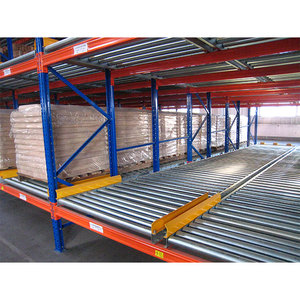
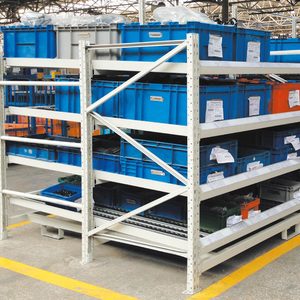
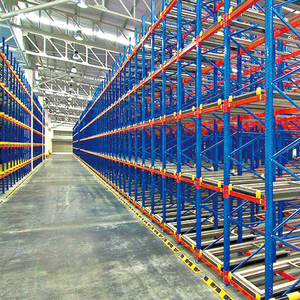
In modern intralogistics, supply chain directors face a dual constraint: escalating real estate square footage costs and stringent omnichannel turnaround requirements. Heavy duty pallet flow racking—frequently designated as gravity flow, dynamic roll, or live storage—delivers a mechanical First-In, First-Out (FIFO) storage solution that eliminates unnecessary forklift access aisles while maximizing storage cube volume.

Strict FIFO Inventory Turnover

By segregating loading (replenishment) aisles from unloading (picking) aisles, pallets travel down inclined lanes by controlled gravitational force. This setup prevents SKU obsolescence, perfectly serving temperature-controlled cold storage, perishable dairy, pharmaceuticals, and FMCG logistics.

Hydraulic Brake Speed Control

Safety in heavy dynamic storage relies on precision rate-of-fall management. Engineered speed controllers and internal centrifugal brake rollers limit descent velocity to a reliable 0.1 to 0.3 meters per second, preventing dangerous runaway momentum regardless of skid variations.

Cube Utilization & Labor Reduction

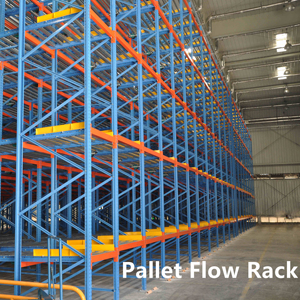
Condensing pallet positions into deep lanes—up to 20 pallets deep—yields up to 65% reduction in internal aisle footprint compared to selective racking, reducing forklift travel distance, tire wear, and operator cycle times dramatically.
Precision Manufacturing Selection

Engineered Pallet Flow & High-Density Storage Assemblies

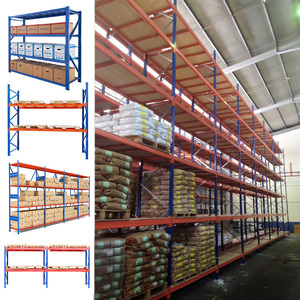
Manufactured using cold-rolled high-tensile structural steel, our dynamic racking and heavy duty warehouse storage solutions adhere strictly to EN 15512, FEM 10.2.02, and OSHA industrial storage guidelines.

Engineering Specifications

High-Density Pallet Storage Systems: Comparative Architecture

A granular engineering assessment contrasting structural dynamics, pick selectivity, floor cube density, and lift-truck cycle efficiency across leading industrial racking formats.

Storage Architecture Stock Rotation Floor Space Utilization Selectivity Average Pick Rate Forklift Damage Exposure
Heavy Duty Pallet Flow (Gravity) 100% Strict FIFO Very High (85% - 90%) Lane Dependent High (Dedicated Pick Face) Minimal (Exterior Aisles Only)
Push Back Racking (Carts/Rollers) Strict LIFO High (70% - 75%) One Pallet Per Level Moderate Low-Medium
Drive-In / Drive-Through LIFO / Imperfect FIFO High (75% - 80%) Poor (High Honeycombing) Low (Slow Maneuvering) High (Mast Enters Structure)
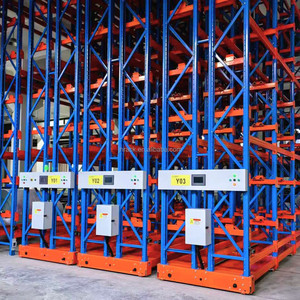
Electric Mobile Pallet Racking Configurable (FIFO/LIFO) Maximum (90% - 95%) 100% Individual Pallet Moderate (Aisle Shift Delay) Minimal (Sensor Controlled)
Conventional Selective Racking Universal Low (40% - 50%) 100% Direct Access High Moderate
OEM & Engineering Credibility

Why Tier-1 3PLs and System Integrators Partner With Us

Anchored in decades of material handling engineering, our structural systems adhere to international building safety norms, verified raw-material metallurgy, and complete lifecycle assurance.

Certified European Engineering

Calculations strictly governed by EN 15512 structural limits and FEM design provisions, factoring in dynamic roller impact, live shock loads, and seismic considerations.

Certified Q235 / Q355 Steel

Traceable, cold-formed structural steel sourced from certified mills, powder-coated in-house with multi-stage degreasing and thermosetting polyester resins.

Custom Roller Bed Topologies

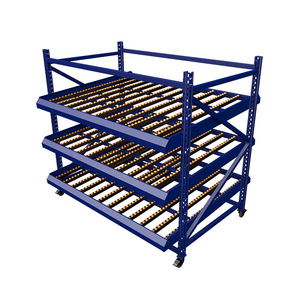
Engineered full-width steel rollers or heavy poly-track wheels outfitted with precision ball bearings, variable pitch setups, and integrated separation separators.

Full Lifecycle Assurance

End-to-end integration support spanning CAD warehouse modeling, structural sign-off, certified job-site supervision, and EN 15635 compliance inspections.

Strategic Horizon

Future Procurement & Technological Trends in Pallet Flow Racking

Anticipate where warehousing capital expenditures are heading over the next five-year planning horizon.

Trend 01 • Automation

AGV & AMR Interface Pallet Separators

Standard gravity flow racks use manual foot-pedal separators at the pick face. Future facilities are procuring pneumatic or electromagnetic pallet release mechanisms controlled via PLC or WMS, allowing automated guided vehicles (AGVs) and autonomous mobile robots (AMRs) to dock seamlessly without binding pressures.

Trend 02 • Sustainability

Passive Gravity vs. Automated ASRS Capex

As corporate ESG directives scrutinize electricity draw in cold-chain and dry facilities, heavy pallet flow racking is gaining renewed procurement share over powered automated storage machines. Gravity kinetics operate 24/7 with zero electrical kilowatt draw, zero standby heat generation, and minimal lifecycle parts replacement.

Trend 03 • Materials

Hybrid Poly-Steel Track Dynamics

Modern distribution centers encounter diverse pallet profiles—from Euro pallets and perimeter-base CHEP skids to plastic slips. Next-generation flow designs integrate self-lubricating polyurethane guide rollers with ribbed steel brake drums, ensuring slip-free tracking across variable ambient and sub-zero blast freezer conditions (-30°C).

Technical Procurement Checklist

  • Deflection Specifications: Ensure beam deflection meets EN 15512 standards (typically L/200 for dynamic gravity applications).
  • Pallet Quality Audit: Audit bottom runner condition (broken boards or protruding nails halt dynamic flow lanes).
  • Slope Calibration: Verify lane gradients (standard ranges run between 2.5% and 4.0% based on bottom-deck friction).

Operational Safety Verification

  • Load Separation Devices: Ensure mechanical separators relieve back-pressure on the front pallet for safe forklift extraction.
  • Structural Floor Anchoring: Verify floor slab concrete strength (C20/25 or higher) and seismic base-plate expansion anchors.
  • Inspection Protocol: Implement EN 15635 routine and annual inspections by accredited technical rack surveyors.
Procurement Intelligence

Frequently Asked Questions on Heavy Duty Pallet Flow Racking

Objective, engineer-vetted guidance addressing high-intent queries submitted by warehouse operations and plant managers.

What is the maximum lane depth for heavy duty gravity pallet flow systems?
While typical warehouse pallet flow configurations range between 5 to 15 pallets deep, engineered heavy-duty systems can accommodate up to 20 or more pallets in a single lane. At deeper lane designs, the integration of magnetic or centrifugal speed controllers and heavy-duty mechanical pallet separators becomes mandatory. These separators relieve line pressure from upstream pallets, allowing the forklift operator to remove the discharge pallet safely without friction binding.
Can pallet flow racks handle non-standard or damaged wooden pallets?
Pallet flow functionality relies on smooth, consistent contact with roller wheels. Damaged bottom skids, loose boards, protruding nails, or severe bottom deflection can cause pallets to stall or track off-center. For non-uniform skids or weak plastic pallets, engineers recommend full-width steel rollers rather than multi-track split wheels, or using slave pallets/skid cradles to guarantee consistent transit dynamics.
What maintenance protocols are critical for live dynamic roller lanes?
Compared to motorized automated high-bay warehouses, pallet flow systems have minimal maintenance requirements. Critical protocols include quarterly inspections of speed controller brakes, verification of end-stop integrity, clearance of debris from roller channels, and ensuring entry guide alignment. Under EN 15635 standards, visual checks by a designated rack safety officer should occur weekly, alongside a documented structural inspection every 12 months.
How does cold storage affect roller tracks and speed controller ratings?
In sub-zero cold chain and blast freezer environments (down to -30°C), lubricants in standard speed controllers and roller bearings can freeze, causing mechanical lockup or inconsistent speeds. Our cold-storage pallet flow installations utilize low-temperature synthetic lubricants, hermetically sealed bearings, and electro-galvanized or hot-dip galvanized finishes to resist condensation-driven rust and thermal shock degradation.
What is the typical return on investment (ROI) timeframe for a pallet flow retrofit?
Most manufacturing and cold-chain facilities achieve complete capital cost amortization within 14 to 26 months. Payback is driven by three main factors: recapturing 30% to 50% of aisle square footage, cutting forklift cycle times and fuel/battery wear by 40%, and near-zero inventory loss resulting from strict First-In, First-Out expiration management.

Request an Engineered Layout & Dynamic Flow Analysis

Share your pallet footprint, SKU counts, building clear height, and forklift handling constraints. Our technical engineering team will deliver a comprehensive CAD warehouse layout, capacity calculation, and formal quotation.

Get a Quote